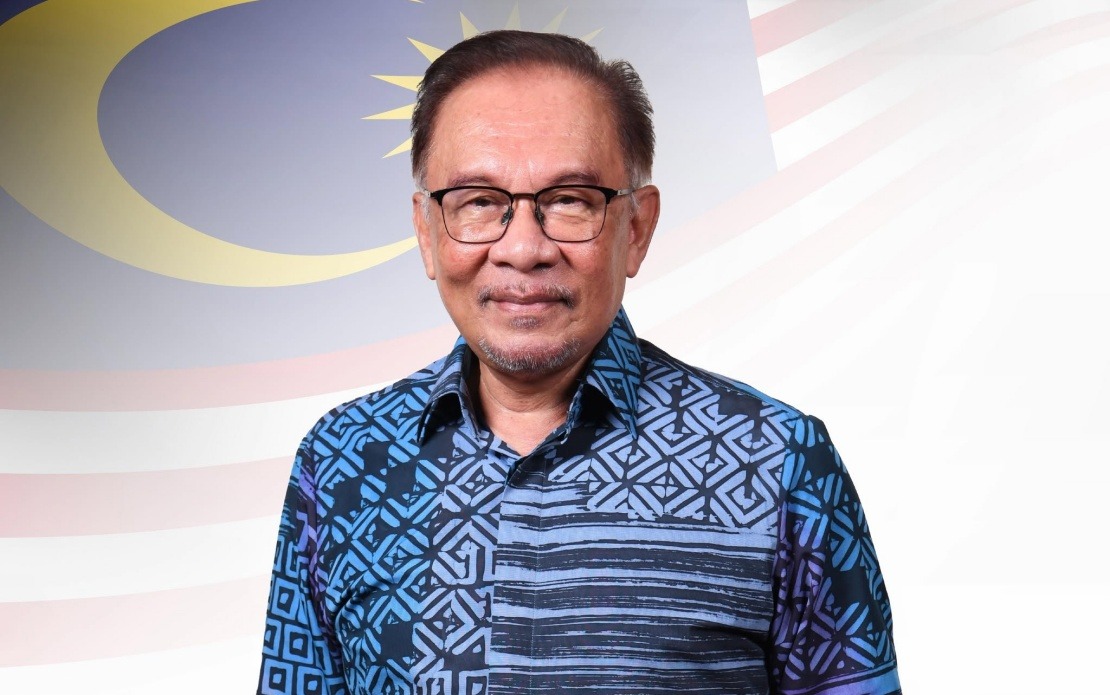
Prime Minister Datuk Seri Anwar Ibrahim is currently receiving medical attention from a team of specialist physicians who have prescribed a series of examinations and therapeutic procedures. According to an official statement released by the Prime Minister's Senior Press Secretary Tunku Nashrul Abaidah, the senior statesman is anticipated to remain under clinical observation for a two-day period as part of the medical protocol.
The announcement was issued in a brief communiqué that emphasized the routine nature of the procedures, with officials requesting public patience and prayers for the Prime Minister's continued wellbeing. Tunku Nashrul Abaidah conveyed the government's confidence that the medical team will successfully complete the necessary assessments, which are aimed at ensuring the Prime Minister maintains optimal health for the execution of his constitutional responsibilities.
This disclosure comes as part of standard practice whereby Malaysia's top office ensures transparency regarding the health status of the nation's chief executive. The two-day observation period reflects medical best practices, allowing specialists to monitor the Prime Minister's condition comprehensively and address any findings that may emerge from the initial diagnostic work. Such medical procedures are routine for senior political leaders across the region and are designed to maintain detailed health records for individuals holding high-stress positions of state responsibility.
For Malaysian citizens and the international community, maintaining confidence in the continuity and stability of the Prime Minister's leadership is crucial. The structured approach to these medical examinations—with defined timelines and professional medical oversight—provides assurance that governance remains uninterrupted during this period. The statement's reference to a swift return to normal duties suggests that the procedures are precautionary and preventive in nature rather than responsive to any acute health crisis.
The role of the Prime Minister's office in communicating health-related matters reflects broader governance principles observed across Southeast Asian democracies. Transparency regarding the wellbeing of the head of government addresses legitimate public interest while maintaining appropriate privacy boundaries. In Malaysia's context, such announcements help maintain public confidence in institutional stability and the continuity of state functions, which are essential for economic confidence and social cohesion.
Specialist medical teams working with senior government officials typically conduct comprehensive health assessments that encompass cardiovascular, metabolic, and other key physiological systems. The prescription of specific procedures suggests that the medical professionals have identified particular areas requiring detailed investigation, though the statement does not specify the nature of these assessments. This targeted approach allows the medical team to generate detailed baseline health data while ensuring the Prime Minister receives optimal preventive care.
The two-day observation window provides adequate time for medical teams to complete initial diagnostic procedures, analyze preliminary results, and formulate any necessary recommendations for ongoing health management. During this period, the Prime Minister's office continues to function normally, with other senior ministers and officials managing routine governance matters. This delegation structure ensures that the machinery of state operates seamlessly regardless of any temporary medical leave undertaken by the chief executive.
For observers of Malaysian politics, such health-related announcements carry institutional significance beyond the personal dimension. The manner in which the government communicates about the Prime Minister's wellbeing reflects the maturity of democratic institutions and the commitment to transparent governance. The specific mention of specialist involvement and defined timelines demonstrates professional medical standards being applied to the highest office in the land.
As Malaysia continues to navigate complex economic, social, and regional challenges, maintaining the health and vitality of its political leadership remains a matter of national importance. The Prime Minister's office has therefore acted appropriately in providing timely information about these medical procedures. The public statement, coupled with expectations for a swift return to full duties, reinforces confidence that Malaysia's institutional structures remain robust and that governance continuity is assured during any temporary absences of the chief executive.
The episode also underscores the demanding nature of the Prime Minister's portfolio, which encompasses responsibility for economic policy, national security, regional diplomacy, and domestic political management. Routine medical care for leaders holding such comprehensive responsibilities reflects prudent governance practice, ensuring that the nation's chief executive maintains the physical and mental stamina required for the role. With the medical team's interventions completed within the projected timeframe, attention will return to the substantive policy agenda facing the government.

