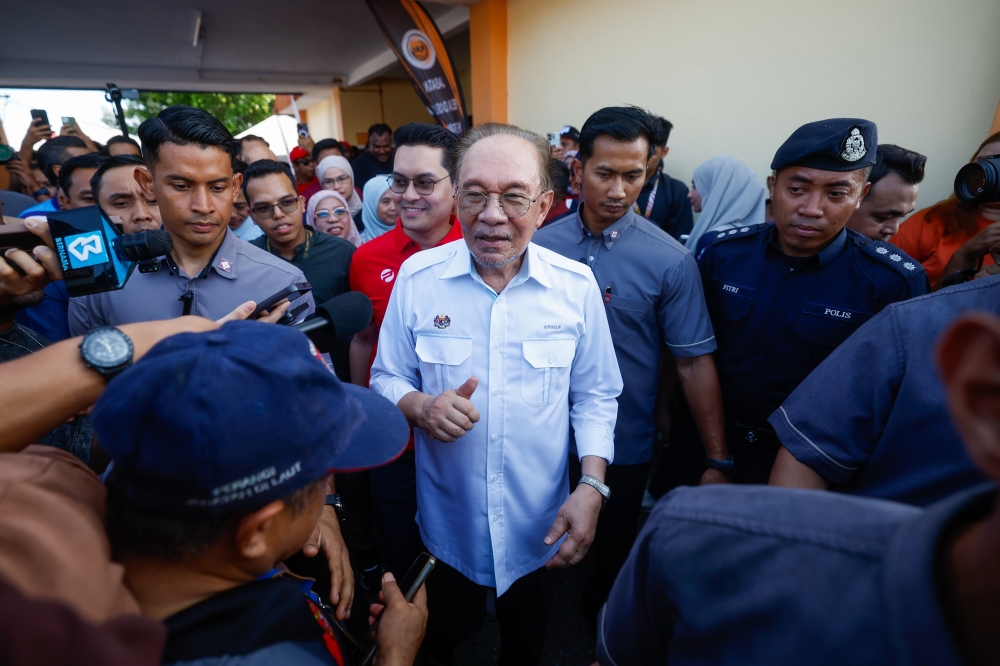
Prime Minister Datuk Seri Anwar Ibrahim has successfully completed a scheduled laparoscopic surgical procedure, according to confirmation from his medical team on August 10. The operation, classified as elective rather than emergency in nature, proceeded without complications. Medical professionals attending to the Prime Minister have now transitioned focus toward comprehensive post-operative care, implementing a protocol of continuous monitoring to track his recovery progression and identify any potential complications at the earliest stage.
The decision to proceed with this surgical intervention reflects a proactive approach to healthcare management by the nation's chief executive. Elective procedures, by definition, are scheduled in advance based on clinical assessment rather than urgent medical necessity, allowing medical teams adequate preparation time. The laparoscopic technique employed—a minimally invasive approach utilizing small incisions and camera-guided instruments—typically results in reduced trauma to surrounding tissues, shorter recovery periods, and fewer post-operative complications compared to traditional open surgery methods.
Following the procedure, the Prime Minister has been placed under stringent medical oversight that extends beyond standard post-operative protocols. This heightened level of observation underscores the importance placed by his medical advisors on ensuring optimal recovery outcomes for the nation's leader. Medical teams will monitor vital signs, surgical site healing, pain management, and any systemic responses to the intervention. The intensity of this monitoring reflects both best-practice standards for someone in his position and the critical nature of ensuring continuity of executive function.
For Malaysia's political leadership and governance structures, any temporary incapacity of the Prime Minister carries broader implications for policy implementation and decision-making processes. While the procedure is characterized as successful, the recovery period may necessitate adjustments to the Prime Minister's schedule and official commitments. Government operations typically continue through established administrative mechanisms, but the full engagement of the chief executive in high-stakes decisions may be temporarily limited during the immediate recovery phase.
The timing and nature of this medical intervention raises important questions about the health and fitness of high-ranking political figures in Southeast Asia. Malaysia, like other nations in the region, has witnessed instances where leader health challenges have created uncertainty around governance and succession planning. The transparent communication from medical professionals regarding this procedure and its successful outcome demonstrates a commitment to public confidence in the leadership's ability to govern effectively.
Elective surgery undertaken by sitting heads of government requires careful coordination between medical professionals, security personnel, and government administrators. Protocols must balance the privacy rights inherent in medical matters with the public's legitimate interest in knowing that their leader remains capable of executing presidential or prime ministerial duties. The communication strategy adopted in this instance—confirming the procedure and its success while implementing medical observation—appears calibrated to provide necessary reassurance without disclosing sensitive health details.
Laparoscopic procedures, while less invasive than conventional surgery, still require meaningful recovery periods. The specific nature of the surgical intervention has not been publicly detailed, which is standard practice in protecting medical privacy even for public figures. However, the characterization as elective and the successful completion suggest that the underlying condition was identified and scheduled for intervention at an appropriate clinical juncture, rather than representing an acute or deteriorating health situation.
The medical team's decision to maintain strict observation protocols indicates awareness of the unique pressures and demands placed on individuals occupying the Prime Minister's office. Recovery from surgery while managing the stress of national leadership presents distinct challenges not faced by most patients. The emphasis on close monitoring suggests medical professionals are taking precautions to ensure that the physical healing process is not compromised by premature return to demanding work schedules or inadequate rest.
For Malaysian civil society and international observers, the handling of this situation will likely inform perceptions about governmental transparency and institutional robustness. Democratic systems function more effectively when leadership transitions and health matters are managed with clear communication and established protocols. The manner in which this elective surgery is managed—both medically and communicatively—may set precedents for how future health-related absences from office are handled.
The broader regional context matters as well. Southeast Asian nations have grappled with questions of leadership succession and health-related governance challenges in recent years. Malaysia's experience with this particular situation contributes to regional discussions about best practices in managing the health of sitting executives, particularly in contexts where constitutional frameworks may not have detailed provisions for temporary incapacity.
Recovery timelines for laparoscopic procedures vary depending on the specific anatomical area addressed and individual healing factors. While some patients resume normal activities within weeks, public figures typically extend their recovery periods to ensure complete healing and restoration of full capacity. The medical team's emphasis on strict observation will likely continue through the initial critical recovery window, with gradual resumption of duties coordinated with medical clearance milestones.

