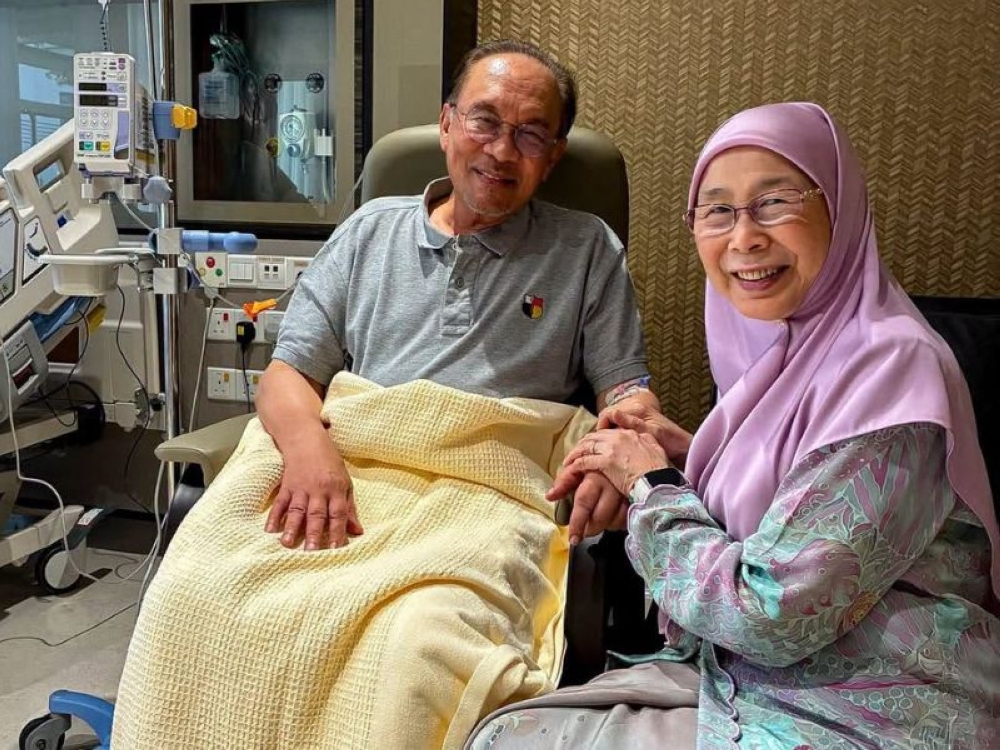
Prime Minister Datuk Seri Anwar Ibrahim is anticipated to return home today after undergoing treatment for a hernia condition at a Kuala Lumpur medical facility. The news comes through confirmation from his wife, Datin Seri Dr Wan Azizah Wan Ismail, who indicated that the Prime Minister's recovery has progressed favourably over recent days.
The surgical intervention was undertaken to address the hernia, a condition in which part of an internal organ protrudes through a weakness in the surrounding muscle tissue. Such procedures are commonplace in modern healthcare and typically involve straightforward surgical intervention with a well-established recovery trajectory. The Prime Minister's medical team would have evaluated the timing carefully given his demanding official responsibilities and the need to minimise disruption to government operations.
This development marks a significant moment in Malaysia's political calendar, as the nation's leader recovers from a health challenge that necessitated temporary withdrawal from his official schedule. The Malaysian public and international observers have been monitoring the situation closely, given Anwar Ibrahim's central role in steering the country's governance and his involvement in ongoing policy initiatives affecting the economy, diplomatic relations, and domestic affairs.
The recovery process for hernia procedures typically involves a graduated return to normal activities, with patients generally advised to avoid strenuous exertion during the initial healing phase. Medical practitioners would have provided detailed guidance to the Prime Minister regarding post-operative care, activity restrictions, and symptom monitoring over the coming weeks. Such procedures rarely result in long-term complications when proper post-surgical protocols are observed, which is particularly important for individuals in high-stress occupations such as political leadership.
From a governance perspective, the Prime Minister's anticipated return represents a resumption of full executive authority and decision-making capacity at the highest level of government. During his hospitalisation, the machinery of state would have continued functioning under delegated authority structures, but the restoration of direct leadership is significant for maintaining momentum on critical policy matters. Malaysia faces several pressing issues requiring prime ministerial attention, including economic management, regional security considerations, and legislative priorities currently under government consideration.
The timing of this discharge also has implications for Malaysia's international engagements and diplomatic calendar. As a key regional player in Southeast Asia and member of various multilateral forums, the Prime Minister's full availability enhances Malaysia's capacity to participate effectively in regional discussions and bilateral consultations. Any extended absence from public duties, even for legitimate medical reasons, can create diplomatic implications that attentive officials seek to minimise.
The Prime Minister's family has maintained appropriate discretion regarding medical details throughout this episode, while simultaneously ensuring that the public and relevant stakeholders receive timely information about his condition and availability. This balanced approach reflects both respect for personal privacy and recognition of the legitimate public interest in the health and availability of the nation's chief executive. Datin Seri Dr Wan Azizah's confirmation through public channels serves this dual purpose effectively.
For Malaysia's political establishment and the broader Malaysian society, this recovery provides reassurance regarding institutional continuity and leadership stability. Political observers have noted that transparent communication about leadership health matters contributes to public confidence and reduces space for speculation or rumour. The straightforward medical nature of the hernia procedure, combined with successful surgical outcome, demonstrates that modern healthcare enables quick return to function for individuals even in the most demanding roles.
Looking ahead, the Prime Minister will likely require a measured transition back to full official duties, with his medical team probably recommending graduated resumption of engagements over the coming days. High-level decision-making and policy work may resume immediately, while physical activities and extended public engagements might be paced more carefully. This graduated approach balances the imperative for leadership presence against medical wisdom regarding post-operative recovery.
The incident also underscores broader healthcare considerations relevant to Malaysia's political and administrative leadership. Ensuring that top officials maintain regular health check-ups and receive prompt treatment for medical conditions represents an investment in governance continuity and institutional effectiveness. The Prime Minister's proactive approach to addressing his health issue serves as a positive example of responsible health management for public figures.

