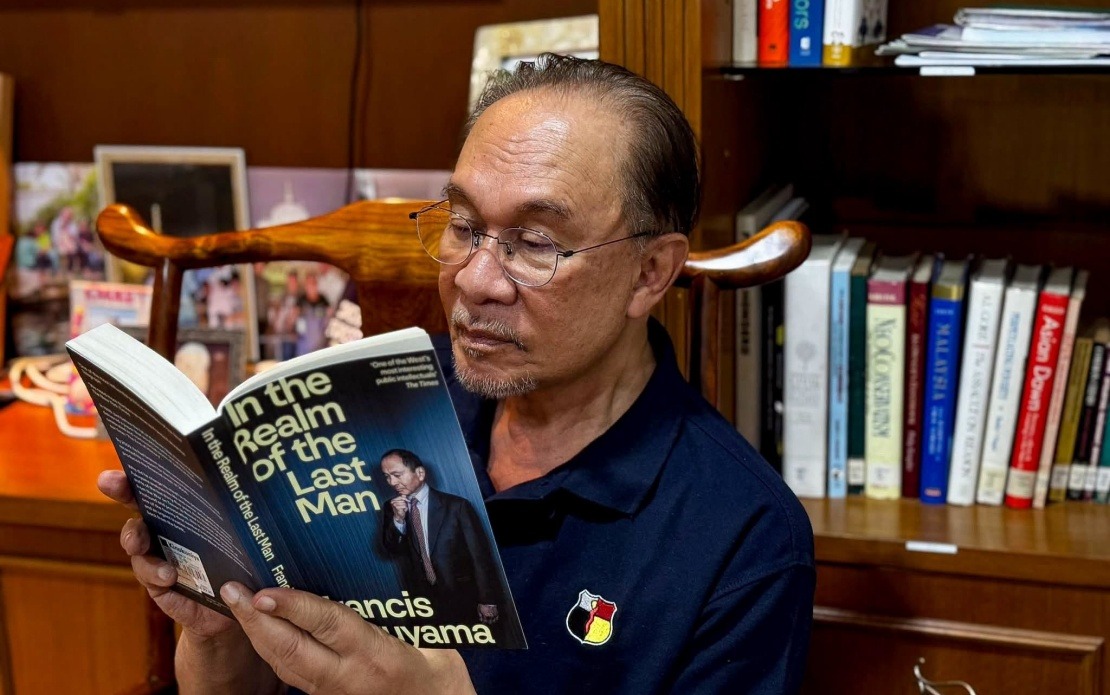
Prime Minister Datuk Seri Anwar Ibrahim has resumed his life at home after spending time under medical care for a surgical procedure, with the government leader confirmed to have left hospital this evening. The development was announced through a social media update in which Anwar shared an image of himself with a book, expressing gratitude with the caption "Alhamdulillah, back home", signalling his recovery and readiness to return to his duties.
The Prime Minister underwent an elective laparoscopic surgical intervention earlier in the week to address a para-umbilical hernia, a condition affecting the abdominal wall. The minimally invasive procedure, performed on Monday, represented a routine medical intervention designed to correct the hernia before it could develop into a more serious complication. Following the operation, Anwar remained in the facility for close observation and management by his attending medical team, a precautionary measure standard practice for patients of his position and age.
His wife, Datuk Seri Dr Wan Azizah Wan Ismail, had previously indicated that the discharge would proceed as scheduled, providing reassurance to the public and institutional stakeholders regarding the Prime Minister's health trajectory. The predictable recovery timeline underscores the effectiveness of modern laparoscopic techniques, which typically involve smaller incisions and faster healing compared to traditional open surgery. Her public communication about his condition maintained transparency while avoiding unnecessary alarm about his capacity to govern.
The timing of Anwar's surgery and recovery coincides with Malaysia's ongoing political and economic agenda, requiring steady leadership during a period of domestic policy implementation and regional engagement. His relatively swift return home suggests that the procedure posed no major complications and that his medical team are confident in his condition. The laparoscopic approach, a less invasive surgical method increasingly favoured for abdominal procedures, generally permits faster recuperation and earlier resumption of normal activities, which may allow the Prime Minister to gradually transition back to his official responsibilities.
For Malaysian observers and international observers tracking the country's governance, the incident provides insight into the health management protocols surrounding high office. The decision to pursue elective surgery rather than postpone demonstrates a practical approach to maintaining long-term health and fitness for the demands of the premiership. Such preventative medical interventions, when addressed promptly, can forestall more serious health complications that might otherwise impact governmental continuity.
The para-umbilical hernia, while not immediately life-threatening, can cause discomfort and complications if left untreated over extended periods. The choice to address it through surgery reflects a prudent approach to personal health management that acknowledges the physical demands of leading a nation of Malaysia's size and complexity. Early intervention in such cases reduces future health risks and demonstrates responsible stewardship of one's capacity to serve.
Anwar's discharge comes as the government navigates several significant policy initiatives and economic challenges facing Southeast Asia's third-largest economy. His availability, even at a recuperative stage, is important for maintaining continuity of executive direction and decision-making. The Prime Minister's communication through social media also serves a broader purpose of public reassurance, demonstrating that while he requires medical attention, his ability to conduct state affairs remains intact.
The successful completion of the procedure and timely discharge reflects the quality of Malaysia's healthcare infrastructure and the medical expertise available to senior government figures. The laparoscopic surgical capabilities demonstrated in Anwar's case represent advances in medical technology increasingly available across Malaysia's public and private healthcare systems. His case may serve as an indirect endorsement of the standards of care available domestically, potentially relevant to public confidence in the country's medical sector.
Moving forward, Anwar's recovery period will likely involve gradual reintegration into his full schedule of ministerial duties and public appearances. Medical guidance typically recommends a phased return to work following abdominal surgery, with physical activity levels increasing incrementally over several weeks. The Prime Minister's team will likely coordinate his calendar to ensure adequate rest during the early recovery phase while maintaining essential executive functions through delegated responsibilities where appropriate.

