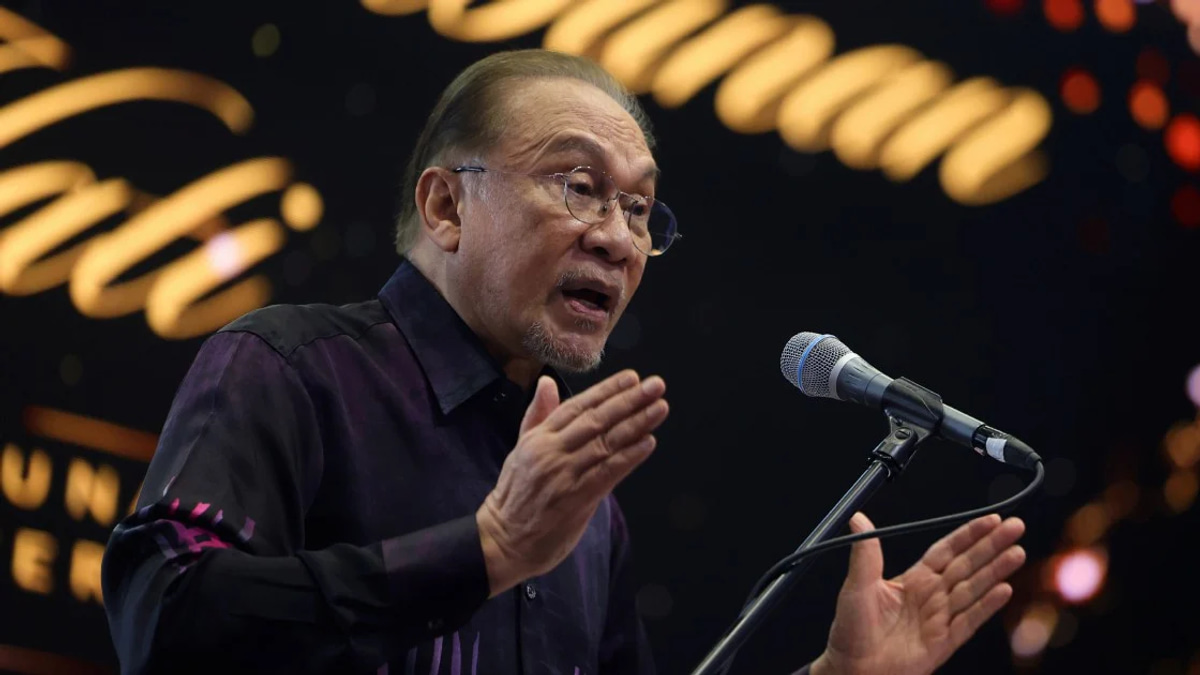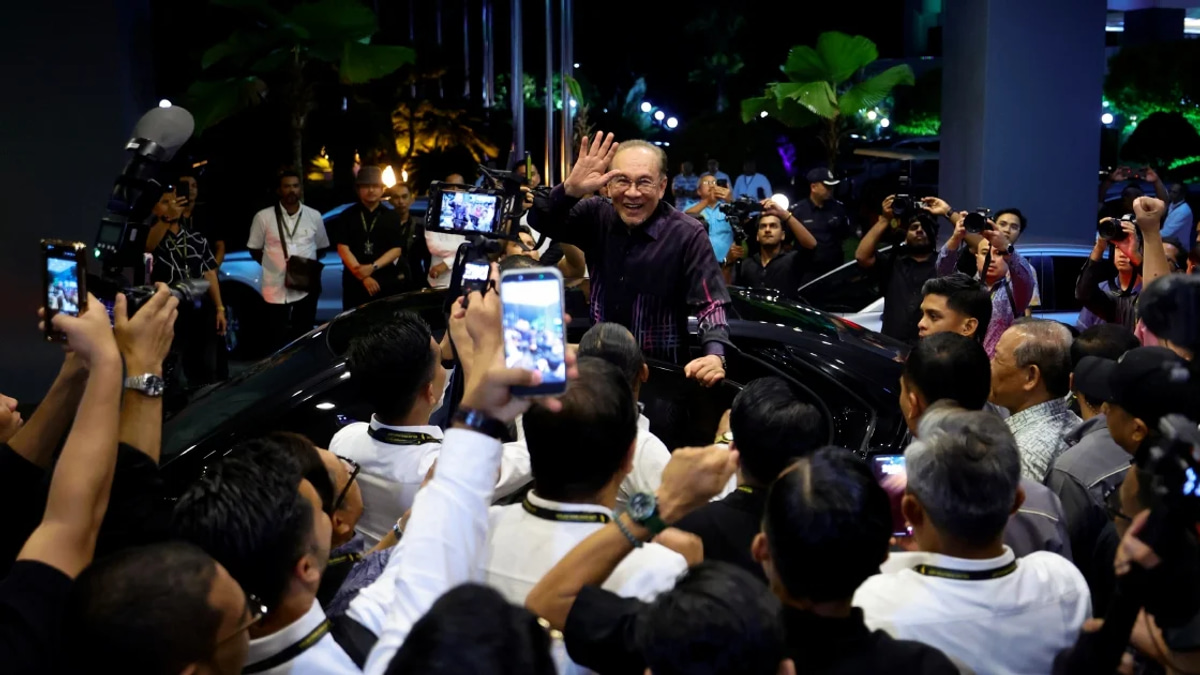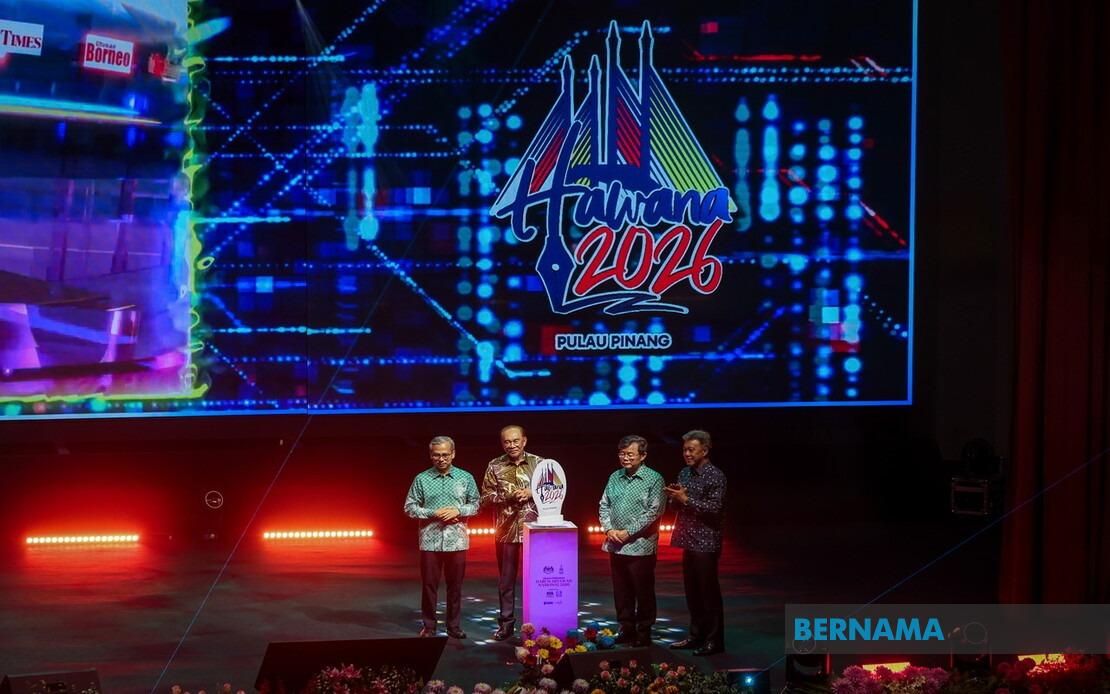
Prime Minister Datuk Seri Anwar Ibrahim used the occasion of Malaysia's National Journalists' Day celebrations to deliver a nuanced message about the evolving responsibilities of the media in an increasingly complex digital landscape. Speaking at the HAWANA 2026 main event in Butterworth on June 20, Anwar expressed his gratitude to the nation's journalism community for their sustained commitment to accurate and principled reporting, even as they navigate unprecedented technological disruption.
The Prime Minister's remarks centred on a tension that has become increasingly acute across Southeast Asia: the need to preserve robust press freedom while simultaneously establishing guardrails against misinformation and irresponsible dissemination. Anwar acknowledged that the work of journalists today has become substantially more demanding than in previous generations, with rapid advances in digital technology and artificial intelligence fundamentally reshaping how information reaches audiences. This context resonates particularly strongly in Malaysia, where the country's media ecosystem has experienced significant consolidation and where questions about editorial independence and state influence remain contentious.
Anwar emphasised that the relationship between freedom and responsibility must be carefully calibrated in democratic societies. He argued that while freedom of expression requires genuine space to operate, this freedom cannot be absolute or divorced from ethical considerations. The Prime Minister's framing suggests a particular concern with how information circulates on social media platforms and through digital channels, where speed often supersedes accuracy and where the distinction between legitimate reporting and rumour becomes dangerously blurred. For Malaysian readers accustomed to witnessing fierce political battles play out online, this observation carries immediate relevance.
Crucially, Anwar highlighted that ethics and values—rather than facts alone—should ultimately determine the quality of journalism. This philosophical stance represents a departure from purely technical definitions of accuracy, suggesting instead that journalists must exercise judgment about context, proportionality, and potential societal impact when deciding what to report and how. The Prime Minister's assertion that frameworks prioritising economic growth, digitalisation and technological advancement must not come at the expense of ethical foundations speaks to anxieties about progress without principle that extend well beyond Malaysia's borders.
The HAWANA 2026 event itself reflected the regional importance of these questions, bringing together more than 1,000 media practitioners from Malaysia and several Southeast Asian neighbours including Timor-Leste, Cambodia and Laos. The gathering underscored that concerns about media integrity, the influence of artificial intelligence on news production, and the balance between freedom and responsibility are not distinctly Malaysian challenges but rather region-wide preoccupations. The formality of a Memorandum of Understanding between Malaysia's Bernama news agency and Timor-Leste's national news agency TATOLI suggests institutional recognition that these issues benefit from cross-border dialogue and cooperation.
An important dimension of the Prime Minister's remarks involved tacit acknowledgment of the media's gatekeeping function in democratic governance. He credited journalists with playing an essential role in ensuring public comprehension of government policy and the national development agenda. This framing inverts the traditional adversarial relationship between government and press, positioning them instead as complementary forces. For a Malaysian government that has occasionally experienced tense relations with sections of the media, this language represents an attempt to establish common ground and mutual respect.
The awards presented during the ceremony further illuminated official priorities. The HAWANA Award to former broadcasting director-general Datuk Suhaimi Sulaiman and the special award to the late Azlan Idris, former Bernama Radio chief, honoured individuals whose careers spanned different eras of media development. These recognitions implicitly validated institutional approaches to journalism while celebrating individual contributions. The inclusion of a Pantun Festival competition and various cultural performances alongside serious discussions about media ethics suggested an attempt to position journalism as integral to Malaysia's cultural fabric rather than as a narrowly technical profession.
The presence of high-level officials including Communications Minister Datuk Fahmi Fadzil and Penang Chief Minister Chow Kon Yeow signalled sustained government investment in the narrative around media integrity. In Southeast Asia, where press freedom rankings have become increasingly scrutinised by international observers and where media independence remains contested, such high-profile endorsements of journalistic ethics serve both domestic and international audiences. They signal to international commentators that Malaysia takes media standards seriously, whilst simultaneously seeking to build consensus among journalists themselves around shared principles.
The timing and scale of HAWANA 2026 also reflects a particular moment in Malaysia's political development. Following the complex coalitional politics that characterised recent years, the current administration has sought to establish fresh narratives around governance and institutional accountability. Celebrating journalists and media practitioners aligns with this broader project, though it also raises questions about the extent to which press freedom has genuinely expanded or whether such celebrations represent primarily symbolic gestures.
Anwar's emphasis on balancing freedom with responsibility, whilst philosophically sound, remains operationally ambiguous. Different stakeholders—journalists, government officials, civil society activists, and ordinary citizens—frequently disagree about where precisely this balance should rest. The Prime Minister's intervention neither resolves nor attempts to resolve these underlying tensions, instead calling for dialogue and shared commitment to principles. For Malaysian journalists operating under various pressures, from commercial imperatives to political sensitivities, these principles remain aspirational rather than fully realised.
Looking forward, the challenges Anwar identified—particularly artificial intelligence's impact on journalism—will likely intensify. Southeast Asia's rapid technological adoption, combined with relatively nascent regulatory frameworks governing AI applications in media, creates significant uncertainty. The region's journalists will need sustained institutional support, professional development opportunities, and protection of editorial independence if they are to maintain credibility amid accelerating technological change. Whether HAWANA 2026 catalyses such support beyond ceremonial recognition remains an open question that will become clearer only in subsequent years as the industry confronts concrete challenges.