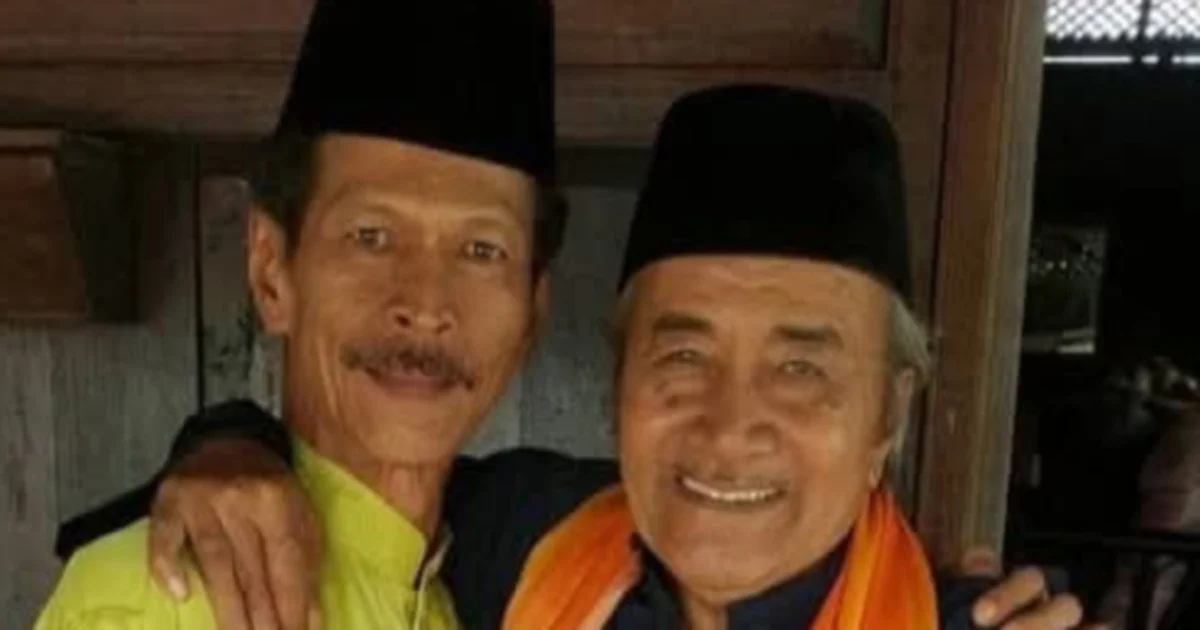
Prime Minister Datuk Seri Anwar Ibrahim has marked the 87th birthday of Datuk Rahim Razali with a heartfelt tribute to the veteran actor's enduring legacy in Malaysian entertainment. The recognition comes as a testament to the profound influence Razali has wielded across the nation's film industry, where his career has established him as one of the most respected figures in the country's cinematic history.
Razali's journey through Malaysian cinema represents more than half a century of artistic dedication. Beginning his career during a formative period in the nation's film industry, he became instrumental in shaping the trajectory of local cinema. His filmography encompasses numerous productions that captured the essence of Malaysian society, culture, and storytelling traditions. Throughout his tenure in the industry, Razali has demonstrated remarkable versatility, moving fluidly between dramatic roles, character studies, and ensemble performances that showcased his technical mastery and emotional depth.
The Prime Minister's acknowledgement underscores the significance of honouring Malaysia's cultural custodians. In recent years, there has been growing recognition that the entertainment industry constitutes a vital pillar of national identity and soft power. By publicly celebrating Razali's milestone birthday, Anwar Ibrahim's gesture reinforces the government's commitment to acknowledging the contributions of arts practitioners who have helped define the nation's cultural narrative.
Within the Malaysian entertainment ecosystem, Razali's influence extends beyond his on-screen performances. He has been regarded as an exemplar of professionalism and dedication, qualities that younger generations of actors have sought to emulate. His career has served as a blueprint for those aspiring to build sustainable, respected careers within a competitive industry. The respect accorded to him by peers, audiences, and government officials alike attests to the universal recognition of his calibre.
The timing of the Prime Minister's public recognition also reflects broader conversations about cultural preservation and the importance of acknowledging aging artistes. Malaysia's entertainment industry has historically faced challenges in providing adequate recognition and support systems for veteran performers. Initiatives that bring prominent figures' contributions into public discourse help establish frameworks for more systematic appreciation of the arts community. By elevating Razali's achievements at this stage of his life, policymakers can advance conversations about how the nation should honour its cultural pioneers.
Razali's career trajectory intersects with pivotal moments in Malaysia's cinematic development. During the era when he emerged as a performer, the local film industry was establishing its distinct identity, differentiating itself from regional competitors whilst engaging domestic audiences. His work during this period contributed to the crystallisation of a uniquely Malaysian cinematic voice. Many of the films in which he appeared have since acquired the status of cultural artefacts, consulted by scholars and film enthusiasts seeking to understand the nation's social evolution.
The recognition of Razali's achievements carries particular resonance for Southeast Asian audiences who have followed Malaysian cinema's progression. The region's film industries have interconnected histories, with performers and stories crossing borders to find audiences across the broader diaspora. Razali's work has circulated regionally, introducing Malaysian narratives to viewers throughout Southeast Asia and establishing the local industry's credibility on a wider stage.
For the Malaysian entertainment sector today, the celebration of veteran artistes serves a practical function beyond symbolic gesture. It generates public discussion about career sustainability in the arts, pension and welfare systems for aging performers, and the investment required to preserve industry memory through documentation and archival efforts. These conversations become especially pertinent when high-profile figures receive government-level recognition, signalling that such matters warrant serious consideration.
Anwar Ibrahim's tribute also reflects the personal esteem in which Razali is held across Malaysian society. The actor has maintained a dignified public profile throughout his extended career, consistently delivering performances of artistic integrity. Such longevity combined with respect from multiple generations speaks to character beyond performance ability. The Prime Minister's public acknowledgement validates the cultural significance of individuals who have sustained principled careers in the arts.
Looking forward, the recognition of Razali's 87th birthday provides an opportunity for the film industry to engage in reflexive assessment. What institutional structures support veteran performers? How should Malaysia document and preserve the expertise of those who built contemporary cinema? These questions, prompted by celebrations of milestone achievements, encourage stakeholders to develop comprehensive frameworks for sustaining the cultural commons. The entertainment industry's health depends partially on how successfully it honours and learns from previous generations of practitioners who established its foundations and earned public trust through dedication to craft.

