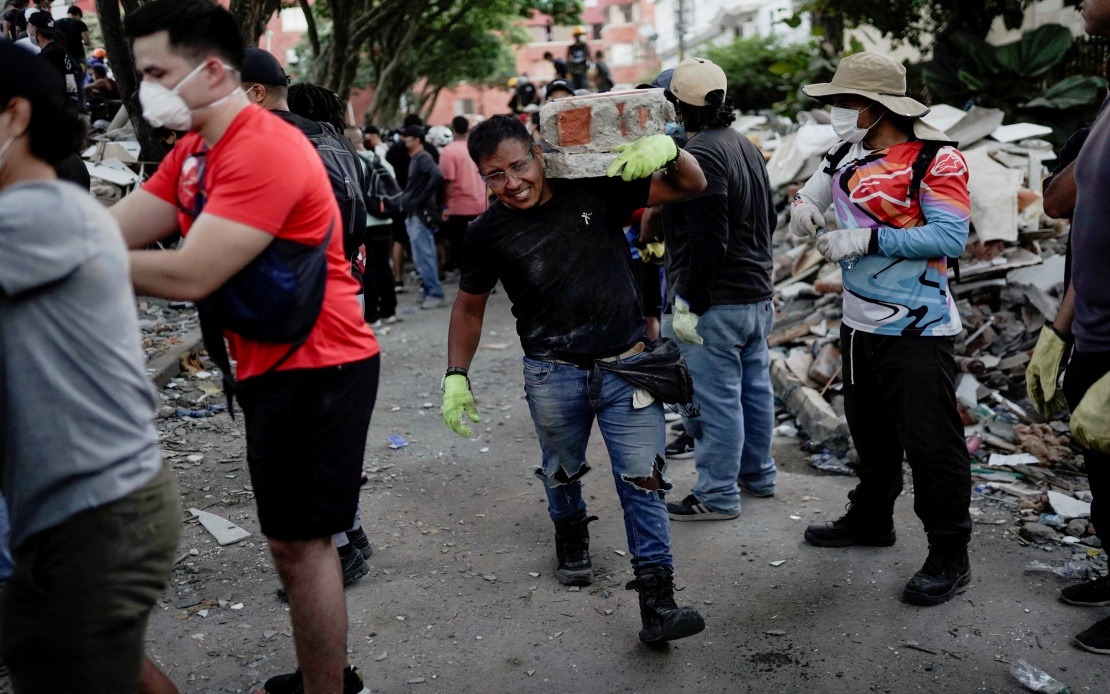
Prime Minister Datuk Seri Anwar Ibrahim has conveyed Malaysia's deepest condolences to the Colombian nation following a catastrophic 7.4-magnitude earthquake that devastated the country's western territories, leaving over 100 people dead and triggering widespread structural damage across multiple population centres. In remarks shared through social media, the Malaysian leader underscored the Government and people of Malaysia's commitment to standing alongside Colombia during this period of acute humanitarian crisis and national mourning.
The seismic event, which struck on Monday and ranks among the most powerful tremors to affect Colombia in recent decades, originated in the Chocó region and radiated destructive force across several major urban areas. Cities including Cali, Pereira and Manizales experienced substantial infrastructure damage, with ongoing aftershocks complicating rescue and recovery operations. The earthquake's magnitude and the scale of casualties underscore the vulnerability of densely populated urban zones in tectonically active regions of Latin America, a reality that resonates across the Pacific Ring of Fire and beyond.
Anwar's statement reflected Malaysia's traditional diplomatic posture of expressing solidarity with nations experiencing major natural disasters, particularly through multilateral channels and bilateral relationships. The Prime Minister specifically acknowledged the extraordinary efforts of rescue personnel and volunteer organisations working in hazardous conditions to locate survivors amid continuing seismic aftershocks. This recognition of ground-level rescue operations carries particular weight given Malaysia's own experience with natural disasters and the critical role played by emergency responders in large-scale crises.
The timing of Malaysia's expression of sympathy carries significance within broader diplomatic contexts. As a member of the Non-Aligned Movement and an active participant in international forums, Malaysia has consistently used natural disaster responses as occasions to reinforce its commitment to universal humanitarian principles and global cooperation. This approach reflects the nation's understanding that natural disasters transcend borders and ideological divides, demanding unified international responses that prioritise human welfare above other considerations.
Colombia's earthquake presents a sobering reminder of the geological hazards confronting nations situated along major tectonic boundaries. The South American nation's location along the boundary between the Nazca and South American tectonic plates, combined with its dense urban development in mountainous terrain, creates particularly dangerous conditions during seismic events. Similar geological realities affect several Southeast Asian nations, including Indonesia and the Philippines, making Colombia's experience directly relevant to regional risk assessment and disaster preparedness discussions.
Malaysia's formal acknowledgment of Colombia's crisis also reflects the country's participation in international humanitarian frameworks and disaster response protocols. Through institutions like ASEAN and bilateral relationships, Malaysia maintains capacity to contribute expertise, medical assistance, and logistical support during major international emergencies. While Malaysia itself faces distinct natural hazard profiles—primarily monsoon-related flooding rather than seismic activity—the nation's experience managing large-scale disasters and coordinating rescue operations informs its understanding of Colombia's immediate needs.
The reference to continuing aftershocks in the Prime Minister's statement highlights a dimension of earthquake disasters that extends the crisis period well beyond the initial major tremor. Secondary seismic events complicate rescue operations, increase psychological trauma among affected populations, and present structural instability challenges that impede recovery efforts. Colombia's rescue workers face the compounded difficulty of operating in damaged infrastructure while remaining vulnerable to additional ground movement, a situation that demands both technical expertise and extraordinary physical and mental resilience.
International responses to Colombia's earthquake, including Malaysia's expression of solidarity, contribute to broader patterns of diplomatic engagement during humanitarian emergencies. These statements serve multiple functions: they affirm the affected nation's place within the international community, provide symbolic reassurance to traumatised populations, and signal the responding nation's alignment with universal humanitarian principles. For Malaysia, such gestures reinforce the country's identity as a responsible international actor committed to shared human welfare.
The broader context of natural disaster preparedness extends to considerations of building standards, early warning systems, and emergency response coordination. Colombia's experience will likely inform updated guidelines for urban development in seismically active zones, with lessons disseminating throughout the Americas and globally. Malaysia and other Southeast Asian nations monitor such developments closely, as they inform regional approaches to hazard mitigation and resilience building in comparable geological contexts.
Looking forward, the reconstruction phase in Colombia will present opportunities for international technical cooperation and knowledge sharing. Malaysia's engagement with Colombian recovery efforts could extend beyond symbolic condolences to include practical collaboration on disaster-resilient infrastructure development and emergency management protocols. Such partnerships strengthen bilateral relationships while advancing global capacity for managing natural disasters more effectively.

