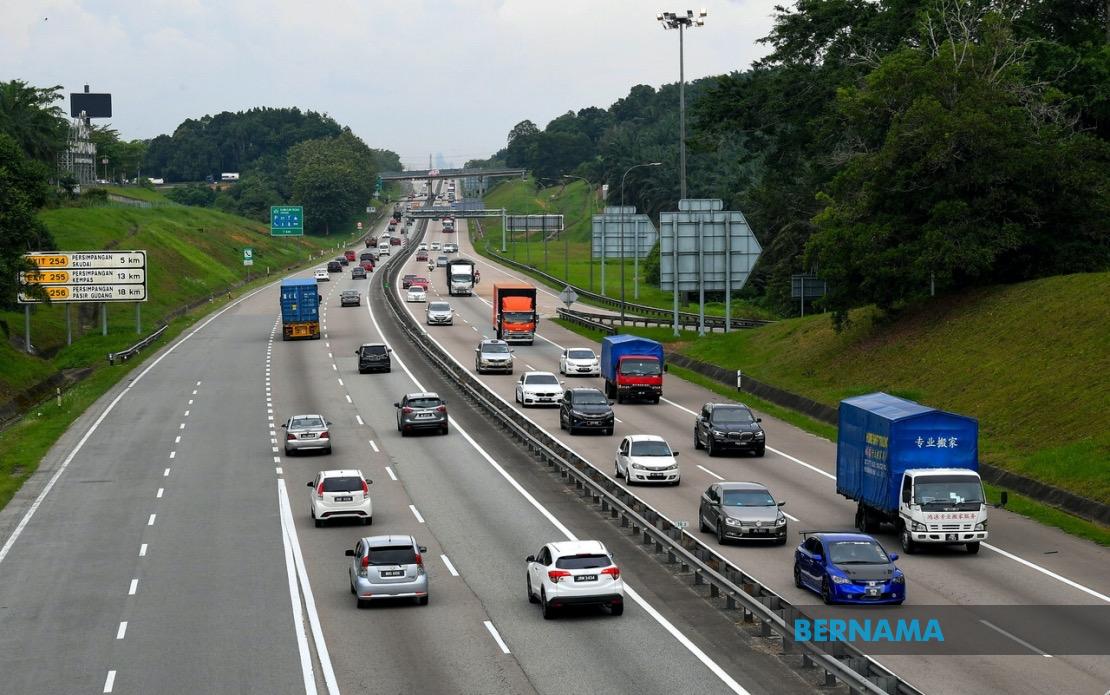
The country's main toll highway operator, PLUS Malaysia Berhad, is gearing up for one of its busiest travel periods of the year, forecasting traffic volumes to reach 2.2 million vehicles per day during the National Day celebrations and concurrent school holidays. The peak congestion is expected across two windows—August 28 to 31 and September 4 to 7—when Malaysian families embark on holiday journeys and the nation commemorates Merdeka Day. This projection underscores the significant role PLUS highways play in facilitating domestic mobility during festive seasons, and reflects the mobility patterns of Malaysians who typically travel during extended public holidays.
To manage anticipated bottlenecks, PLUS has mapped out a comprehensive traffic management strategy centred on technology and real-time information dissemination. The operator is actively promoting its MyPLUS-TTA digital tool, an advisory service accessible through the PLUS App that provides travellers with optimised journey schedules. By encouraging users to stagger their departures according to the app's recommendations, PLUS aims to flatten the peak demand curve and prevent the formation of dangerous traffic concentrations at vulnerable points along the highway network. This data-driven approach represents a shift towards intelligent transportation management, leveraging predictive analytics to distribute load more evenly throughout the operational day.
The PLUS App itself has evolved into a comprehensive travel companion, offering far more than basic navigation. Drivers can access live traffic feeds, identify incident zones, calculate tolls in advance, locate rest and service areas, and discover electric vehicle charging stations—capabilities that collectively empower motorists to make informed decisions before and during their journeys. The integration of these features acknowledges that modern highway users expect seamless information access, and PLUS's digital infrastructure aims to reduce uncertainty and anxiety associated with long-distance travel during congested periods. For Malaysian travellers increasingly accustomed to smartphone-based navigation, these services represent essential trip-planning infrastructure.
Operationally, PLUS is significantly ramping up its ground presence to handle the surge. The operator plans to deploy additional staff at toll plazas and rest areas, intensify PLUSRonda patrol activities, and maintain heightened vigilance through its Traffic Monitoring Centre. These human-centred interventions complement technological solutions, recognising that real-time problem-solving often requires trained personnel who can respond swiftly to incidents, assist stranded motorists, and coordinate with emergency services. The investment in human resources during peak periods reflects PLUS's operational philosophy that technology enhances but cannot entirely replace boots-on-the-ground responsiveness.
A centrepiece of PLUS's congestion mitigation strategy involves activating Smart Lanes at 33 strategically selected locations across the network. These dynamically managed lanes operate as contraflow or additional capacity corridors during peak periods, theoretically converting underutilised road space into additional throughput. However, PLUS emphasises that Smart Lane usage requires disciplined motorist behaviour—drivers must heed lane-specific signage, reduce speeds in these zones, and avoid encroaching upon emergency lanes outside designated Smart Lane activation areas. The legal warnings about unauthorised emergency lane use highlight a persistent challenge: despite clear regulations, some drivers exploit emergency lanes during congestion, undermining safety protocols and inviting enforcement action from authorities.
Coordination with law enforcement and regulatory bodies will prove critical during the peak period. PLUS has arranged collaborative arrangements with the Royal Malaysia Police, the Road Transport Department, the Malaysian Highway Authority, and other relevant agencies to ensure rapid incident response and traffic law enforcement. This multi-agency approach acknowledges that highway management transcends PLUS's operational remit; maintaining safety and order requires the coordinated effort of police traffic units, road safety inspectors, and highway authorities. Such collaboration becomes especially vital during peak periods when the concentration of vehicles amplifies both the frequency and severity of potential incidents.
Facility maintenance has also received heightened attention, particularly at rest and service areas where extended queues and concentrated usage can rapidly degrade conditions. PLUS has prioritised cleanliness, comfort standards, prayer room upkeep, and toilet sanitation—amenities that directly impact the wellbeing of travellers undertaking long journeys. These seemingly routine maintenance matters carry genuine significance; inadequate facilities at rest stops contribute to driver fatigue, discourage proper breaks, and ultimately compromise road safety. For pilgrims, families, and long-distance commuters, the quality of these rest facilities often determines whether they take adequate breaks to recover from driving fatigue.
Motorwise, PLUS has issued comprehensive pre-travel advisories reminding users to verify vehicle roadworthiness, maintain adequate Touch 'n Go card or e-wallet balances, and ensure JustGO app payment methods remain active. These logistical reminders, whilst seemingly mundane, address preventable breakdowns and payment complications that can cascade into congestion. A vehicle breakdown during peak periods can trigger significant traffic disruption beyond the immediate vicinity; therefore, encouraging pre-journey vehicle inspections represents sound preventive traffic management. Similarly, payment complications at toll plazas create unnecessary delays, making financial preparedness a genuine traffic management concern.
Beyond operational measures, PLUS has reinforced safety messaging, urging drivers to maintain speed discipline, observe safe following distances, avoid mobile phone distraction, and take restorative rest breaks at designated facilities. These behavioural recommendations address the human factors underlying many highway incidents—fatigued driving, excessive speed, and inattention. The emphasis on resting at R&R areas reflects recognition that driver fatigue remains a significant crash risk factor, particularly during extended holiday drives when travellers are often motivated to reach destinations quickly. By positioning adequate rest as both a safety imperative and a traffic management tool, PLUS connects individual motorist wellbeing with network-wide safety and efficiency objectives.
For motorists requiring assistance during peak periods, PLUS maintains its PLUSLine helpline at 180088-0000, providing direct access to customer support and emergency services. The operator also sustains continuous social media presence and app notifications to provide real-time traffic updates, incident alerts, and advisory information. This multi-channel communication strategy ensures that information reaches motorists through their preferred platforms, acknowledging the diverse ways Malaysians consume travel information in an era of fragmented media consumption. Whether through the mobile app, social media feeds, or telephone support, PLUS endeavours to maintain constant connectivity with its user base during periods of heightened demand.
The magnitude of the anticipated 2.2 million daily vehicles reflects both Malaysia's growing motorisation rates and the concentration of leisure travel during specific festive windows. These peaks represent logistical challenges that extend beyond PLUS itself, affecting fuel stations, food establishments, accommodation providers, and emergency services throughout regions connected by the highway network. The National Day and school holiday period thus becomes a national traffic event requiring coordinated preparation across multiple sectors. PLUS's comprehensive planning demonstrates maturity in highway operations, yet the real test remains execution during actual peak periods when unexpected incidents, weather complications, and human factors inevitably challenge even well-laid operational plans.

