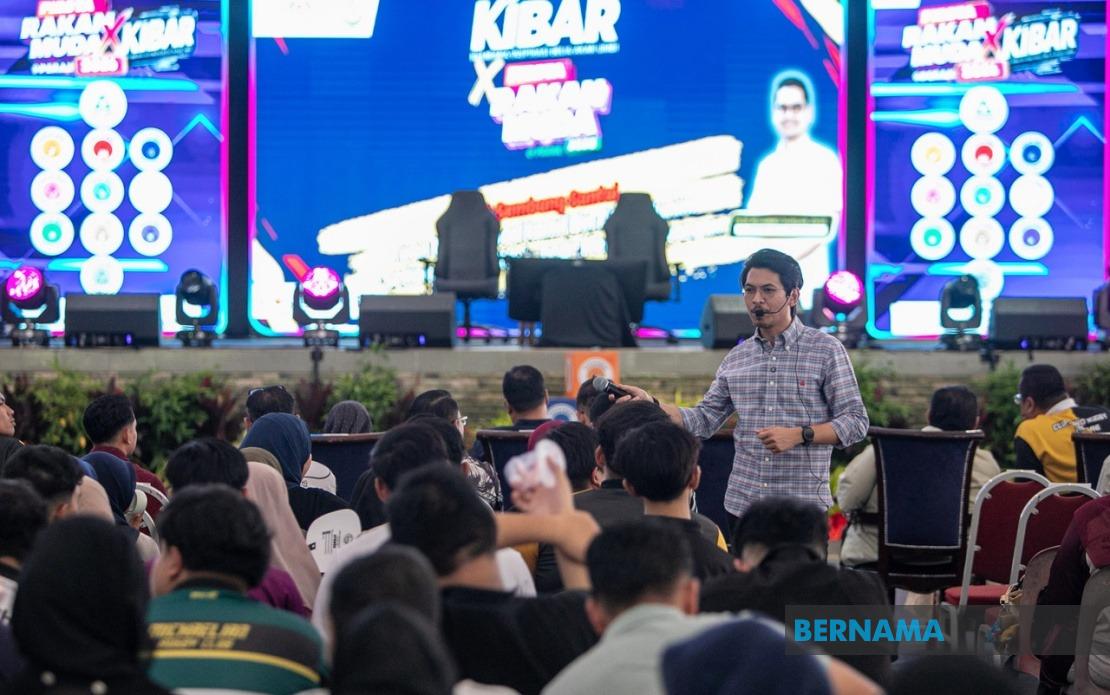
The youth wing of Parti Keadilan Rakyat is shifting into high gear as it prepares for the upcoming Melaka state election, with party officials emphasising the need to have all operational systems in place well before voters head to the polls in December. Muhammad Kamil Abdul Munim, who leads PKR Youth, outlined the strategic focus during a public forum in Perak on Wednesday, signalling that the party recognises the competitive landscape it will face in the southern state.
The drive to strengthen the party's election machinery represents a calculated effort to translate organisational capacity into electoral gains. In the 2021 Melaka state election, Pakatan Harapan secured only five of the 28 available seats in the state assembly, a showing that underscores the coalition's vulnerability in the state despite its broader relevance on the national stage. That contest saw Barisan Nasional dominate with 21 seats, while Perikatan Nasional captured two, establishing the competitive three-way contest that will likely characterise the upcoming poll.
According to Muhammad Kamil, the Melaka branch of PKR Youth has received explicit instructions to prioritise operational readiness across multiple dimensions. Beyond the visible machinery of campaign logistics and volunteer coordination, the party intends to activate grassroots programmes designed to maintain connection with younger voters and communities at the local level. This multi-layered approach reflects recognition that electoral success depends not merely on mobilising existing supporters but on sustaining engagement through substantive community-focused initiatives.
The question of which candidates will represent the party and how many seats it will contest remains unresolved, with Muhammad Kamil indicating that these matters will be settled through discussions within Pakatan Harapan's top leadership structure. This deference to coalition-level decision-making underscores the reality that PKR cannot operate as a standalone entity in Melaka; rather, it must coordinate with component parties including Democratic Action Party and Amanah to present a unified front. The allocation process typically involves complex negotiations balancing electoral viability, demographic representation, and internal party standing.
The timing of these preparations is significant given that the 15th Melaka State Legislative Assembly's term concludes in December. This creates a compressed window for campaign activities, requiring parties to accelerate their groundwork. Unlike elections that can unfold over several months with an extended campaign period, the Melaka contest will likely be compressed, making early preparation essential. Parties that fail to establish their machinery and messaging frameworks in advance risk being overtaken by better-organised competitors.
For context, Melaka has become increasingly important within Malaysian electoral calculations. The state's roughly 1.5 million residents represent a demographic cross-section that reflects broader national patterns, making it a useful bellwether for opposition and ruling-coalition performance. The 2021 result, where Barisan Nasional substantially outperformed Pakatan Harapan, suggested that the state population either lacked confidence in the opposition coalition or found greater appeal in the promises of the dominant coalition partner.
Beyond the specific mechanics of Melaka preparations, Muhammad Kamil also highlighted PKR Youth's broader engagement strategy through the KIBAR programme, a Youth and Sports Ministry initiative designed to channel youth participation in the political process. The Perak-level session he attended drew more than 600 young people aged 15 to 30, providing a platform for direct dialogue between party leadership and younger constituents. Such forums serve dual purposes: they offer tangible mechanisms for youth to articulate grievances and suggestions while simultaneously building the party's brand among a demographic cohort that will shape Malaysian politics in coming decades.
The emphasis on expanding KIBAR across the country reflects strategic thinking about youth mobilisation that extends beyond any single election cycle. By institutionalising regular engagement with young people, PKR Youth positions itself as responsive to generational concerns around employment, education, climate action, and democratic participation. In an era of declining voter turnout among younger age groups, such investment in connection and dialogue carries significance beyond immediate electoral calculations.
Melaka's political trajectory over the coming years will likely turn on whether opposition coalitions can address the factors that saw them marginalised in 2021. Whether those factors relate to governance performance, messaging effectiveness, or structural disadvantages remains debated. What seems clear is that PKR Youth's current preparations signal serious intent to contest the Melaka election as a meaningful force rather than merely holding seats as a formality within a broader coalition framework.
The party's focus on comprehensive preparations reflects learning from previous electoral cycles where organisational deficiencies or strategic miscalculations cost valuable support. By frontloading operational readiness and grassroots activation, PKR Youth aims to create conditions where superior campaign execution and community connection translate into improved electoral performance. Whether these preparations ultimately bear fruit will become apparent once the election campaign formally commences and voters begin rendering their judgments on the competing visions for Melaka's future.

