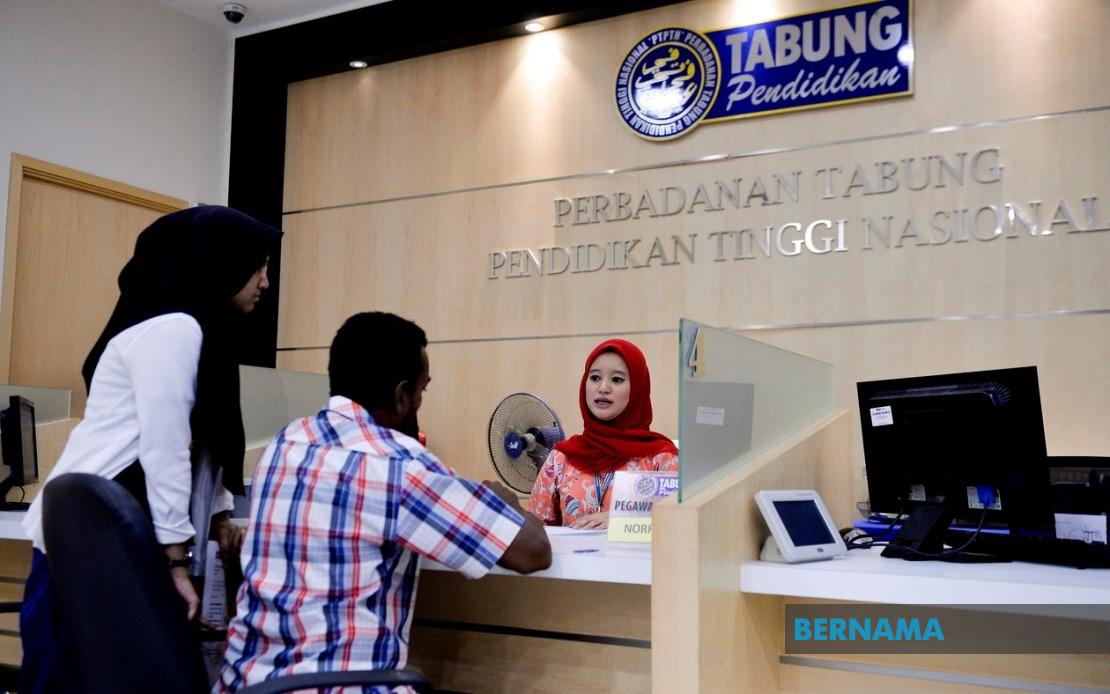
The Women's Wing of Parti Keadilan Rakyat has intensified pressure on the government to overhaul Malaysia's student loan system, demanding the immediate removal of a contentious 15 per cent debt collection agency fee that has deepened financial distress among borrowers struggling to manage their repayment obligations. The call, issued through the party's executive committee, represents a significant intervention into a debate gaining traction ahead of broader PTPTN reforms being contemplated at the highest levels of government.
Karen Kasturi, representing the PKR Wanita central leadership, framed the proposed changes as urgent measures needed to complement longer-term discussions about the future of the National Higher Education Fund Corporation itself. While welcoming Prime Minister Datuk Seri Anwar Ibrahim's recent commitment to evaluate whether the PTPTN should be abolished entirely—a position he communicated to the Dewan Rakyat following public discussion during the Johor state election campaign—Kasturi emphasized that existing borrowers cannot afford to wait for structural overhauls that may take months or years to implement.
The financial mechanics underpinning current PTPTN difficulties reveal a system that compounds hardship for those already vulnerable. Borrowers whose accounts have been transferred to debt collection agencies face dual pressures: they are typically required to settle lump-sum payments representing up to 50 per cent of their outstanding balance, while simultaneously incurring collection fees approaching 15 per cent of the total debt. For a borrower struggling with cash flow, this combination creates a barrier to settlement rather than a pathway toward resolution, effectively penalizing those who acknowledge their obligations and wish to regularize their status.
A particularly damaging element of the current arrangement lies in the administrative confusion surrounding restructuring options. Kasturi highlighted instances in which borrowers seeking to negotiate repayment flexibility were directed by PTPTN staff to contact the corporation, only to find themselves referred onward to debt collection agencies instead. This circular process, conducted without transparent explanation or clear guidance, has left many borrowers uncertain about their actual options and whether direct negotiation with PTPTN itself remains feasible. The lack of straightforward communication undermines trust in institutional processes and may discourage borrowers who would otherwise engage constructively with repayment solutions.
The PKR Wanita position reflects growing recognition that Malaysia's education financing model must balance institutional sustainability with social equity. Higher education access has long been understood as a public good essential to national development, yet the PTPTN's revenue pressures have increasingly shifted risk toward individual borrowers rather than distributing it across the education system more broadly. When collection mechanisms become more aggressive than the original lending terms, the implicit message to borrowers—particularly those from lower and middle-income backgrounds who typically rely on PTPTN support—is that education financing serves creditor interests ahead of social mobility goals.
The call for targeted assistance specifically benefiting B40 and M40 households recognizes that repayment capacity correlates strongly with earning trajectory, yet entry-level graduates often face the longest periods of financial constraint. Restructuring mechanisms should therefore reflect this reality by incorporating income-graduated flexibility rather than imposing uniform lump-sum demands that prove unmanageable for lower-earning borrowers. Such differentiation would require additional administrative capacity within PTPTN but would likely improve overall collection rates by keeping borrowers engaged rather than pushing them toward default or informal economy status.
Another dimension of concern involves Employees Provident Fund withdrawals designated for PTPTN repayment. When intermediary fees—particularly debt collection charges—significantly reduce the net value of EPF withdrawals applied to loan settlement, borrowers lose twice: retirement savings are depleted, yet the actual debt reduction achieved falls short of nominal withdrawal amounts. Kasturi's insistence that the government ensure fees do not substantially erode EPF-funded payments addresses a transparency issue that many borrowers may not fully recognize until they attempt settlement.
The timing of these demands matters significantly given the broader political environment. Prime Minister Anwar's statement that PTPTN abolition remains under consideration emerged partly from election campaign pressure, suggesting public sentiment on student debt has reached a threshold demanding political response. PKR Wanita's framing positions the party as responsive to constituent concerns while emphasizing practical, implementable changes that need not await comprehensive policy redesign. This approach—demanding immediate relief within existing institutional frameworks while supporting longer-term structural reform—appeals to borrowers seeking near-term respite and to policymakers concerned about implementing complex system changes hastily.
The proposal to enable direct restructuring negotiations between borrowers and PTPTN, bypassing debt collection intermediaries entirely, would require institutional recapitalization of PTPTN's collection functions. However, evidence from other jurisdictions suggests that in-house collection operations with dedicated borrower services staff often achieve better outcomes than outsourced models, particularly when borrowers perceive collection agents as adversarial rather than supportive. Direct negotiation also provides PTPTN management with immediate intelligence about borrower circumstances, enabling more sophisticated risk segmentation and potentially revealing whether current repayment terms themselves require adjustment.
For Malaysia's broader higher education policy conversation, PKR Wanita's intervention signals that debate about PTPTN's future must not overshadow urgent attention to present suffering. The distinction between reform and abolition, while important, becomes secondary for borrowers currently unable to manage compounded collection fees and arbitrary referral processes. By demanding fee removal and procedural clarity now, while supporting investigation of longer-term alternatives, the women's wing has positioned itself within a pragmatic middle ground that acknowledges both systemic constraints and human realities.
Higher Education Minister Datuk Seri Dr Zambry Abd Kadir will face increasing pressure to respond substantively to these proposals, particularly as they enjoy cross-party recognition of merit. The government's response will signal whether PTPTN reform rhetoric translates into concrete relief or remains confined to exploratory discussion. Should the administration move to implement even partial measures—eliminating the debt collection fee or establishing direct restructuring channels—it would demonstrate responsiveness to constituent distress while buying time to develop comprehensive alternatives. Conversely, inaction risks reinforcing perceptions that policymakers prioritize institutional interests ahead of borrower welfare, potentially strengthening calls for more radical reform.

