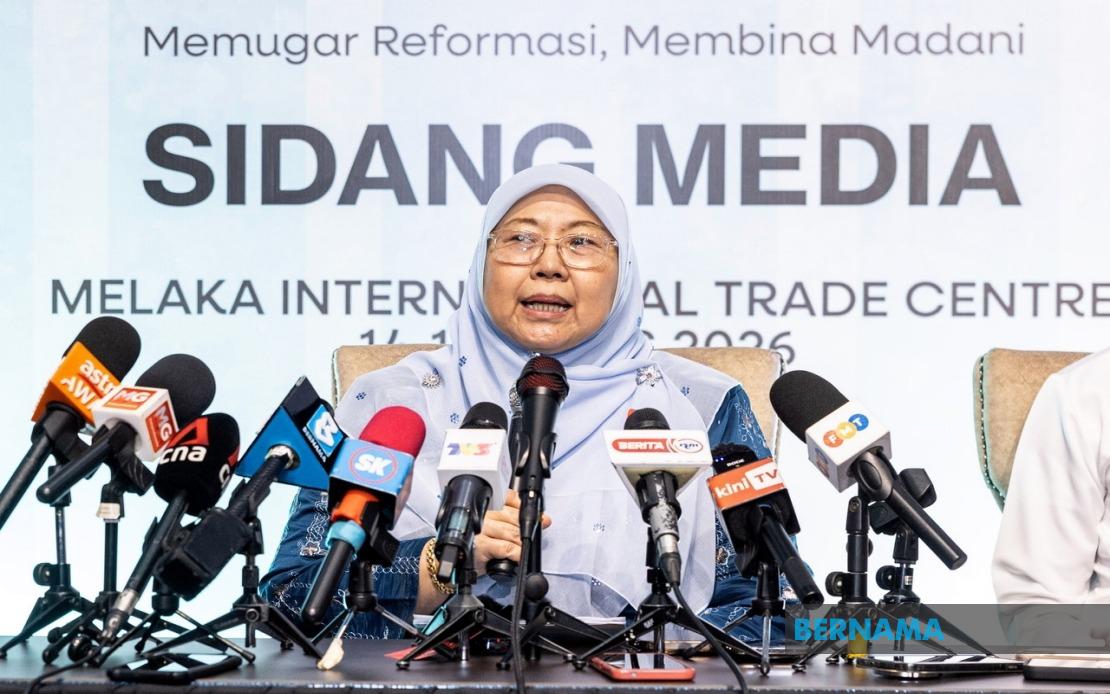
Parti Keadilan Rakyat has made no formal stipulation regarding how long deputy president Nurul Izzah Anwar will be absent from her party responsibilities as she pursues further education. The decision to grant her leave reflects the party's flexibility in managing executive commitments, particularly when members undertake academic advancement. PKR secretary-general Senator Datuk Dr Fuziah Salleh confirmed during a press event in Melaka that the party leadership welcomes Nurul Izzah back whenever she determines she is ready to resume her position, signalling an open-ended arrangement rather than a rigid departure schedule.
Nurul Izzah will continue discharging her official duties until the conclusion of PKR's three-day National Congress, which is currently underway at the Melaka International Trade Centre in Ayer Keroh. Throughout this gathering, she is scheduled to fulfil several ceremonial and substantive roles, including officiating sessions of the Angkatan Muda Keadilan and Wanita PKR congresses, participating in party debates, and delivering closing remarks at the conclusion of proceedings. This arrangement allows her to remain engaged with the party machinery through a major institutional event before stepping back to concentrate on her academic pursuits.
The move places Nurul Izzah among a growing cohort of Malaysian political figures who are combining higher education with active party membership. Her decision to pursue postgraduate studies reflects a broader trend within PKR and across the Malaysian political landscape where leaders increasingly seek advanced qualifications while maintaining political engagement. This trend carries implications for how political parties manage succession planning and institutional knowledge transfer, particularly when senior figures temporarily step away from operational roles.
Fuziah's statement that the party was "prepared to welcome Nurul Izzah back" when she completes her studies underscores PKR's position that her departure is temporary and her eventual return to the deputy presidency is anticipated. This phrasing carries significant political weight in a party context, where such reassurances help stabilise internal perceptions about leadership continuity. The absence of a fixed timeline also prevents public speculation about when she might resume duties, potentially reducing internal jockeying for temporary or acting positions.
The timing of this announcement during the National Congress is strategically significant. Convening a major party gathering provides PKR with an opportunity to reframe Nurul Izzah's absence as a development opportunity rather than a departure, whilst simultaneously allowing delegates to focus on broader organisational matters. Fuziah indicated that party president's policy address would emphasise PKR's strategic direction, reform agenda, and institutional strengthening—matters that benefit from undivided leadership attention and delegate engagement.
For PKR's broader institutional functioning, the arrangement speaks to questions about succession management and talent development within the party. Malaysian political organisations often struggle to balance member development with operational continuity, and PKR's approach here suggests confidence in its institutional depth. Allowing a senior figure to pursue education without imposing strict return dates reflects either strong faith in institutional stability or, alternatively, flexibility born from necessity as multiple senior members juggle competing professional and political commitments.
The lack of a specified timeframe also carries practical advantages for Nurul Izzah personally. Academic programmes, particularly postgraduate degrees, often face delays, extensions, or modifications depending on research progress, thesis development, or unforeseen circumstances. A flexible arrangement removes pressure on her to complete studies within an arbitrary political deadline, potentially resulting in higher-quality academic work and reduced personal stress balancing two demanding spheres.
From a regional Southeast Asian perspective, this scenario reflects broader patterns seen across the bloc where political leaders increasingly hold advanced academic qualifications. Countries like Singapore, Thailand, and Indonesia have seen multiple senior politicians combine formal education with executive responsibilities, often viewing education as enhancing political credibility and policy competence. Malaysia's political class has historically valued such credentials, making Nurul Izzah's pursuit of further studies consistent with expectations among educated constituencies.
The arrangement also signals something about PKR's internal culture and governance priorities. Rather than viewing temporary absence as problematic or destabilising, the party frames it as normal and anticipated. This contrasts with political environments where taking educational leave might trigger internal power struggles or questions about commitment. Fuziah's measured, confident responses during the press conference conveyed no sense of crisis or concern, positioning the matter as routine administrative adjustment rather than significant departure.
For Malaysian observers, this development occurs against a backdrop of evolving expectations about work-life balance and personal development even within high-pressure political environments. PKR's decision reflects acknowledgment that senior politicians are not monolithic actors available exclusively for party work, but multidimensional individuals with educational aspirations, family commitments, and personal development goals. This humanisation of political leadership may resonate with younger constituents and party members who themselves balance multiple professional and personal priorities.
The National Congress itself provides PKR delegates with opportunity to address party strengthening measures that Fuziah mentioned. Whether through formal motions or informal discussion, party members can engage with questions about institutional resilience during leadership transitions, succession planning clarity, and mechanisms ensuring continuity of strategic direction when senior figures are unavailable. These conversations, Fuziah suggested, remain entirely within the purview of the assembled delegates to raise and debate according to their priorities.

