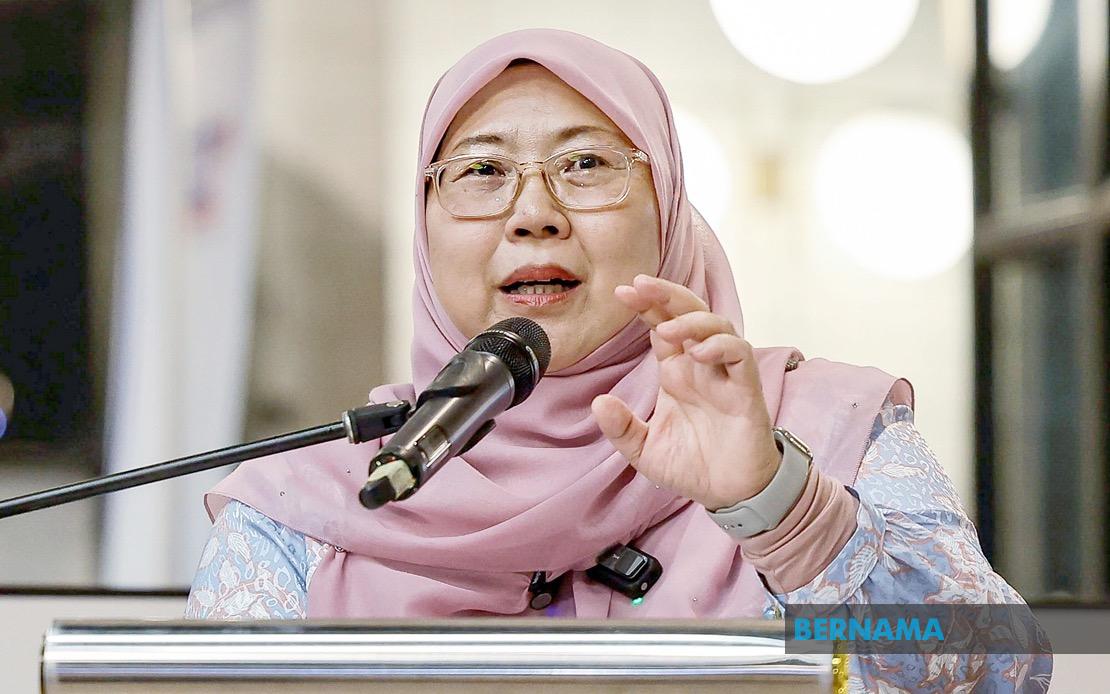
PKR and Pakatan Harapan have publicly acknowledged the prerogative of each coalition member to formulate and execute its own political strategy for the upcoming 16th Negeri Sembilan State Election, according to PKR secretary-general Datuk Dr Fuziah Salleh. The statement represents a careful balancing act, signalling tolerance for diverse tactical approaches within the opposition coalition whilst reaffirming core shared principles. Such declarations are particularly significant in Malaysia's multi-party political landscape, where coalition cohesion frequently faces strain from differing electoral calculations and regional party interests.
Datuk Dr Fuziah, who also serves as Deputy Domestic Trade and Cost of Living Minister, underscored that whilst tactical flexibility exists, any substantive political move at state level must remain tethered to the genuine needs and aspirations of Negeri Sembilan voters. This formulation attempts to square a familiar circle in coalition politics: granting autonomy to constituent parties whilst maintaining a unified front on fundamental issues. The emphasis on people-centric governance rather than narrow partisan advantage reflects PH's broader messaging strategy as it navigates the competitive terrain of state-level politics across Malaysia.
The PKR leader outlined the party's substantive priority areas, specifically highlighting welfare considerations, job creation, living cost pressures, equitable regional development, and institutional integrity. These elements constitute the substantive anchor around which PKR intends to organise its campaign efforts. For Malaysian voters already fatigued by cost-of-living pressures and economic uncertainty, such commitments carry tangible weight. The explicit focus on these kitchen-table issues rather than constitutional matters or identity-based appeals suggests PH's calculation that economic management remains the primary electoral battleground in state contests.
Fuziah further emphasised that implementation of Malaysia's national development agenda and sustained protection of public welfare remain the foundational considerations driving every political decision made by both PKR and PH at the state level. This language suggests a deliberate effort to position the coalition as a governing force accountable to broader national interests rather than factional advantages. The framing connects local state election politics to the larger narrative of national governance, implicitly asserting PH's credentials as a steward of comprehensive policy continuity.
The PKR secretary-general acknowledged that divergence in political strategy during state elections represents normal political conduct, describing politics itself as fundamentally an art of pragmatism and compromise. This philosophical observation carries particular relevance in Malaysia, where coalition dynamics frequently produce tactical disagreements that risk appearing as ideological ruptures to external observers. By normalising strategic differentiation whilst insisting on shared foundational values, Fuziah attempted to frame coalition diversity as healthy rather than problematic.
PKR has directed its entire organisational machinery to maintain discipline, focus, and determined engagement with voters throughout the campaign period. The emphasis on internal cohesion and unified effort reflects awareness that electoral victory in Negeri Sembilan will require sustained organisational performance across all levels. Such internal communications, often couched in motivational language, serve to reinforce party discipline whilst signalling to party members that leadership remains firmly in control of messaging and strategy.
The Negeri Sembilan state legislature comprises 36 seats and was formally dissolved on 5 June, initiating the election cycle. The Election Commission has scheduled 28 July for early voting, with the main polling day set for 1 August. This timeline provides a compressed campaign window of approximately three weeks between the election commission's announcement and voting day. The abbreviated timeframe compresses the period available for grassroots mobilisation and voter persuasion, placing particular emphasis on pre-existing party machinery, name recognition, and ability to rapidly saturate media channels.
For PKR and Pakatan Harapan, the Negeri Sembilan contest represents a consequential test of coalition viability at state level. The state has historically swung between different political forces, and its economic and social composition—featuring both urban centres and rural constituencies—reflects broader Malaysian demographic patterns. Success in Negeri Sembilan would consolidate PH's position as the dominant opposition force capable of contesting federal power, whilst a poor showing might undermine coalition confidence heading toward anticipated national elections.
The election unfolds amid broader Malaysian economic conditions characterised by persistent inflation concerns, employment uncertainties, and public anxiety about future economic trajectory. These structural factors provide the substantive context within which campaign messaging operates. Pakatan Harapan's emphasis on cost-of-living and welfare considerations directly engages these voter preoccupations, potentially allowing the coalition to redirect frustration with current conditions into electoral support.
The acknowledgment of strategic autonomy among coalition partners also reflects lessons learned from previous coalition experiences, including PH's own period in federal government from 2018 to 2020. That experience demonstrated both the strengths of multi-party collaboration in achieving policy breadth and the vulnerabilities created when partners pursue divergent interests without clarity on shared boundaries. The current framing suggests more deliberate attention to managing coalition dynamics.
PKR's explicit commitment to maintaining coalition discipline and unified direction suggests internal party management challenges that this public statement is partly designed to address. By publicly affirming respect for partner autonomy whilst insisting on shared foundational values, PKR leadership signals to its own grassroots that party interests will be protected within coalition structures. This messaging serves simultaneously as external positioning and internal morale maintenance.

