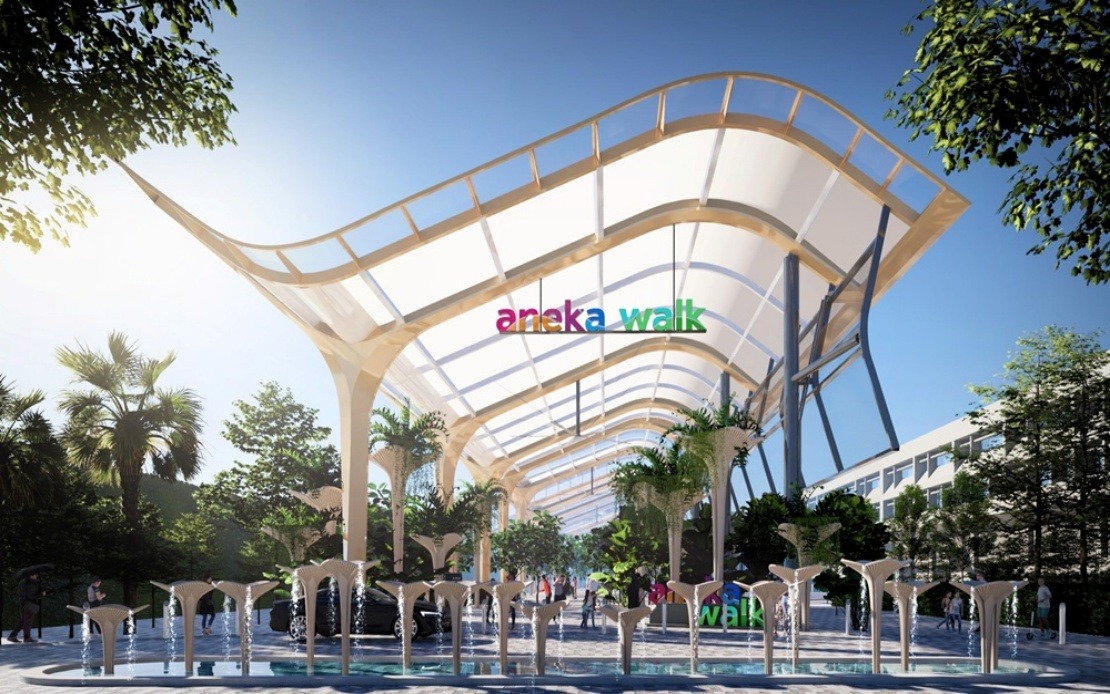
The Selangor State Development Corporation (PKNS) is preparing a major public entertainment initiative, announcing plans to screen the FIFA World Cup 2026 final at Aneka Walk in Shah Alam's Seksyen 14 across July 19 and 20. The extended viewing event, running continuously from 5 pm on July 19 through 5 am on July 20, represents an ambitious attempt to transform the shopping and lifestyle precinct into a destination for mass sporting spectacle and communal celebration during one of global football's marquee moments.
The corporation anticipates drawing approximately 1,000 visitors to the venue, capitalising on the World Cup's universal appeal to create what it describes as a festive gathering atmosphere. This projection reflects confidence in the draw of international football among Malaysian audiences, particularly in the Klang Valley where football enthusiasm remains strong. The timing of the 2026 tournament means the match itself will kickoff in the early hours of July 20, necessitating the overnight programming to accommodate viewers keen to experience the final without significant time-zone disruption to their schedules.
PKNS has partnered with Selangor FC, the state's professional football club, to deliver the programming and lend sporting credibility to the initiative. This collaboration underscores how state-linked development entities increasingly leverage sports properties and football's cultural resonance to animate urban spaces and drive foot traffic to commercial precincts. The partnership also provides Selangor FC with a platform to strengthen its connection with the broader community beyond match days at its home stadium, positioning the club as an entertainment partner in lifestyle experiences beyond traditional match attendance.
The event's schedule reflects careful stratification of activities to maintain engagement across the extended timeframe. Evening hours beginning at 5 pm will feature electronic sports competitions, interactive gaming stations, and a series of lucky draw contests designed to entertain early arrivals and younger demographics. Meet-and-greet sessions with Selangor FC players provide direct interaction opportunities between professional footballers and supporters, a relatively uncommon occurrence outside structured match-day protocols. Multiple food and beverage stalls will service the anticipated crowd throughout the night, creating a festival atmosphere reminiscent of major sporting events in developed markets.
Beyond the consumer entertainment dimension, PKNS frames the initiative as a commercial opportunity for corporate participation and brand activation. Exhibition booths and promotional spaces allow companies to achieve direct engagement with a concentrated audience gathered specifically for an extended social occasion. This model converts passive viewership into a platform for corporate hospitality and community relations, potentially attracting marketing budgets that might otherwise be allocated to traditional advertising channels. The emphasis on "strategic partners" suggests PKNS is actively approaching potential sponsors and exhibitors rather than simply opening space.
The screening initiative sits within PKNS's broader revitalisation strategy for Aneka Walk under the SA Sentral development scheme. Aneka Walk had previously operated primarily as a shopping destination, and like many enclosed shopping precincts in Malaysia, has faced competitive pressures from newer malls and online retail disruption. Events like the World Cup screening represent a deliberate pivot toward positioning such spaces as social and entertainment destinations rather than transaction-focused retail environments. By anchoring weekend footfall around major sporting events, PKNS aims to justify continued visitation and potentially increase dwell time that translates to spending across the broader precinct.
The economic rationale extends beyond immediate spending during the screening itself. PKNS explicitly identifies goals of stimulating local economy activity and solidifying Aneka Walk's perceived status as a preferred lifestyle hub for Shah Alam residents. Creating distinctive experiences—particularly free or low-cost public events tied to global sporting moments—can shift consumer perception of a venue and establish it as a destination worth travelling to deliberately, rather than simply passing through. This positioning carries particular weight in an increasingly crowded retail landscape where differentiation through experience has become as important as product availability.
The World Cup 2026, hosted across the United States, Mexico, and Canada, will be the first tournament to feature 48 competing nations rather than the traditional 32. This expanded format means extended group stages and preliminary rounds throughout June, with the final scheduled for late July. For Malaysian audiences, the North American venue and timing create morning-to-late-night viewing windows depending on specific match scheduling. A final-round screening represents the culmination of interest that will have built across preceding weeks, making it an optimal moment for PKNS to anchor such a marquee event.
The initiative also reflects broader trends across Southeast Asia of using sporting occasions to drive urban activation and mixed-use development value. Similar World Cup viewing events have been staged in Singapore, Bangkok, and Jakarta, though rarely with the scale of pre-match entertainment and corporate integration that PKNS is planning. The success or failure of this Shah Alam event may influence future sporting event programming by other Malaysian development entities and commercial property operators, potentially establishing a template for similar initiatives around subsequent major tournaments including the 2028 Olympics or other football championships.
From a community perspective, the screening event provides a rare, free or low-cost opportunity for Malaysian football fans to experience a global sporting moment in shared public space rather than exclusively through home television or paid stadium attendance. The democratisation of access to World Cup viewing, particularly the final match, reflects recognition that football remains Malaysia's most popular international sport despite limited representation at elite tournament levels. Such public screenings serve social bonding functions beyond simple entertainment, allowing strangers united by sporting passion to gather and celebrate collectively.
PKNS's framing of the event as family-oriented, encouraging attendees to bring relatives and friends, positions it as suitable for diverse age groups and household compositions. This inclusivity messaging expands the potential audience beyond stereotypical football fans and attracts those seeking novel social activities. The simultaneous emphasis on entrepreneurship—mentioned in PKNS's statement—hints that the corporation may be creating vendor opportunities for food entrepreneurs and small traders, adding a micro-economic dimension to what might otherwise be a purely consumption-focused event.
Looking forward, the success of this FIFA World Cup 2026 final screening will likely determine whether PKNS incorporates such major sporting event broadcasts into regular programming strategies for Aneka Walk and potentially other PKNS-managed properties. Should the event draw projected crowds and achieve positive brand sentiment, similar initiatives around future World Cups, continental championships, or other globally significant sporting occasions could become established components of the corporation's portfolio. The announcement thus signals a substantive strategic shift in how Malaysian state development entities conceptualise and activate their managed properties within an increasingly competitive leisure and retail landscape.

