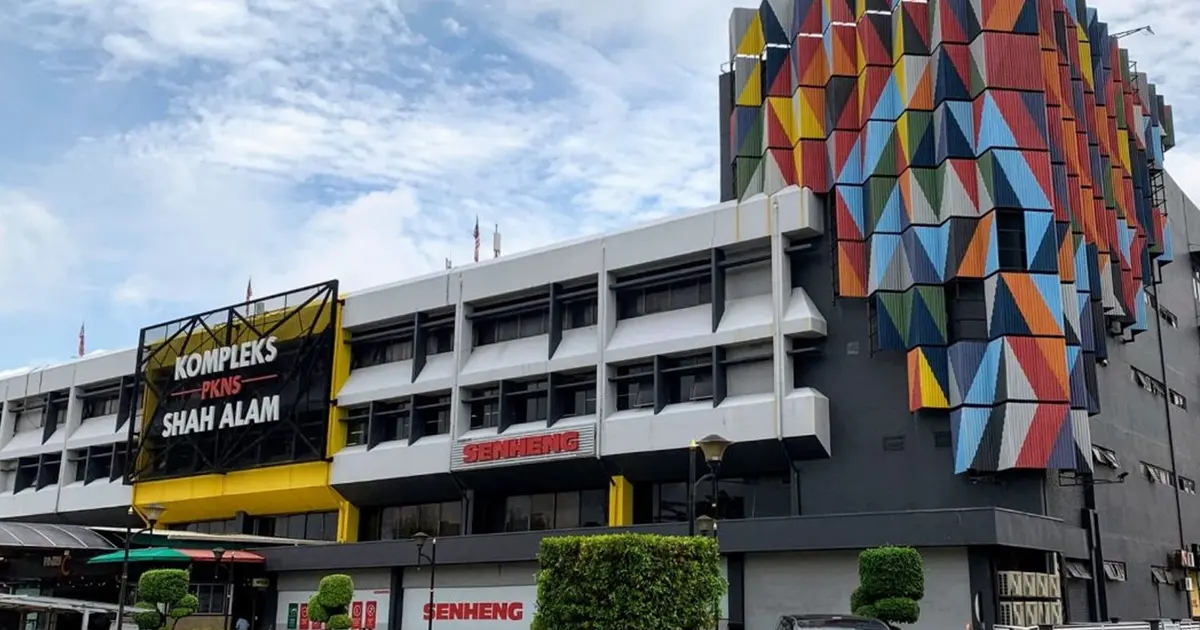
The Selangor State Development Corporation (PKNS) has issued a formal denial of allegations suggesting the agency faces critical financial difficulties, including purported losses of RM103.7 million and accumulated debt of RM6.1 billion. Officials at the state-controlled entity have characterised such claims as fundamentally inaccurate and intended to misrepresent the organisation's actual financial standing to the public and stakeholders.
This rebuttal marks an escalation in scrutiny surrounding PKNS's balance sheet and operational performance, coming at a time when state-owned enterprises across Malaysia face increasing public and political pressure to demonstrate fiscal responsibility. The corporation, which plays a central role in Selangor's urban development and land management activities, has long been a significant player in shaping the state's property landscape and infrastructure initiatives.
PKNS's denial raises important questions about the true financial condition of the entity and the methodology behind whatever assessment generated the disputed figures. State development corporations typically hold substantial property portfolios and undertake large-scale projects, making their financial reporting complex and occasionally subject to different interpretative frameworks depending on accounting practices, asset valuations, and project phasing timelines.
The corporation's swift response suggests concern about potential reputational damage and loss of confidence among investors, business partners, and government stakeholders who rely on PKNS's stability and performance. In Selangor, where economic activity and property development remain crucial drivers of state revenue, any perception of institutional financial weakness could complicate future project financing and threaten the corporation's ability to secure partnerships or credit facilities.
Such disputes over corporate financial health often reflect broader governance debates within Malaysia's state-owned enterprise sector. Questions surrounding transparency, audit independence, and the communication of financial results have periodically surfaced across various government-linked companies. The specificity of the figures cited—RM103.7 million and RM6.1 billion—suggests these came from a formal analysis or report, though PKNS has not yet identified the source of the allegations.
For Malaysian investors and property buyers, PKNS's financial stability carries practical implications. The corporation manages significant residential and commercial land banks, oversees township developments, and coordinates infrastructure projects across Selangor. Any disruption to its operations or access to development capital could affect housing supply, land availability, and the timeline for planned projects affecting thousands of residents and businesses throughout the state.
The denial also occurs within a context of evolving expectations regarding state-owned enterprise accountability. Shareholders—principally the Selangor state government—and the public increasingly demand clear, timely, and audited financial disclosures. PKNS's response suggests it believes its official financial statements and audit reports provide sufficient evidence to counter the allegations, though it has not yet published detailed comparative figures or explanatory documentation for public review.
Regional observers note that development corporations across Southeast Asia periodically face similar challenges as they navigate the complexities of large property portfolios, long-term project cycles, and varying market conditions. PKNS's experience reflects broader questions about how such entities measure and report profitability, given that their mandates often extend beyond pure commercial return to encompass social objectives, strategic land banking, and infrastructure contributions.
The corporation's management has presumably initiated an internal review to verify its financial position and prepare comprehensive documentation should further public scrutiny emerge. Such exercises typically examine current valuations of property holdings, the status of ongoing projects, revenue recognition timing, and contingent liabilities that might not appear on standard balance sheets but could affect overall financial health.
Stakeholders including the Selangor state government, potential joint-venture partners, and property investors will likely await more detailed clarification regarding the precise figures in dispute and the methodology used to generate them. PKNS's credibility depends not merely on denial but on transparent demonstration of its actual financial position through audited statements and clear explanations of any unusual items or one-off charges that might have confused external observers.
The broader implication for Malaysian governance extends to the necessity for state-owned enterprises to maintain robust communication channels with stakeholders and proactively address market rumours or misconceptions about their financial health. PKNS's denial is a necessary first step, but sustained confidence will require comprehensive, accessible financial transparency and perhaps independent verification of contested figures to resolve the matter decisively.

