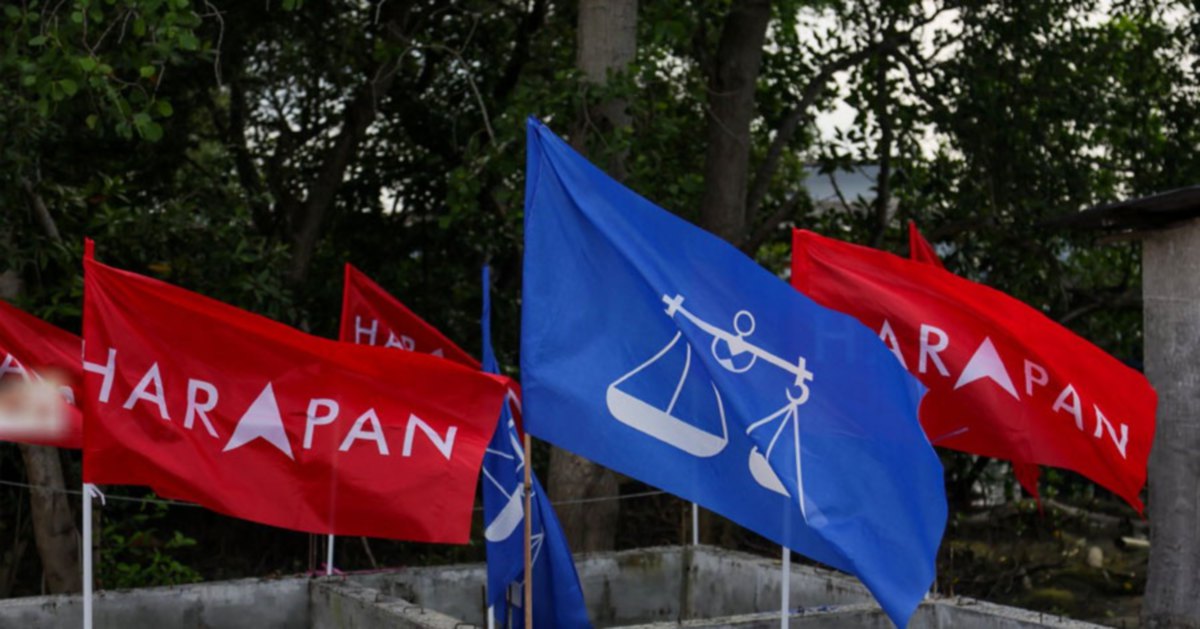
The Pakatan Harapan coalition is undertaking critical negotiations with Barisan Nasional over the distribution of parliamentary and state constituencies, with confirmation that senior coalition figures have held talks at the highest levels. Datuk Seri Fahmi Fadzil, who serves as communications director for the opposition-turned-government coalition, publicly acknowledged that Datuk Seri Amirudin Shari, PH's election director, met recently with Datuk Seri Anwar Ibrahim, the coalition's chairman and current Prime Minister, to discuss matters related to the ongoing seat allocation process.
The confirmation of such a meeting between Amirudin Shari and Anwar Ibrahim signals the intensity of negotiations currently underway between Malaysia's two largest political groupings. These discussions have taken on particular significance given the need to coordinate campaign strategies and avoid electoral clashes that could fragment the vote in marginal constituencies. The involvement of Amirudin Shari in these deliberations reflects his pivotal role as election director, tasked with overseeing candidate nominations and strategic seat allocation decisions that will shape the coalition's electoral performance in any forthcoming general election.
Seat-sharing arrangements between PH and BN represent one of the most contentious aspects of Malaysian coalition politics. The two blocs must balance internal pressures from member parties seeking maximum representation with the practical reality that competition between their candidates could weaken their collective ability to retain power. This delicate negotiation affects not only the number of seats each coalition member receives but also which specific constituencies they contest, with implications for local party dynamics and the career prospects of individual politicians.
Anwar Ibrahim's direct involvement in these talks underscores the political stakes involved. As Prime Minister and PH chairman, he must navigate competing demands from the coalition's multiple parties—including the Democratic Action Party, Amanah, and Keadilan—each of which has expectations regarding their representation. Simultaneously, he must coordinate with BN's leadership to reach agreements that both blocs can credibly defend to their respective supporters and party members.
The timing of such high-level meetings also reflects the strategic calendar facing Malaysian politics. While no general election date has been announced, political observers note that constitutional provisions and electoral conventions suggest that Malaysia will hold fresh elections within the next several years. Advance planning for seat distribution allows both coalitions to conduct internal negotiations with members and manage expectations among aspiring candidates well before campaign season begins, reducing the likelihood of last-minute disputes that could undermine unity.
For Malaysian voters and political analysts monitoring coalition stability, these meetings provide evidence that despite occasional public tensions between PH and BN over policy issues, both blocs recognise their mutual interest in maintaining a working relationship. The coalition government formed after the 2022 election has demonstrated that formal cooperation between historically adversarial groupings is possible, albeit requiring constant management and compromise. The ongoing seat discussions essentially represent the practical implementation of that governing arrangement in preparation for the next electoral contest.
From a Southeast Asian perspective, Malaysia's coalition-based politics demonstrates how large, diverse democracies manage power-sharing among competing parties and ethnic groups. The negotiations between PH and BN involve not merely transactional seat exchanges but deeper questions about political representation, federal-state coordination, and the balance between competing party interests and broader national governance objectives. The effectiveness with which Malaysian political leaders navigate these negotiations influences not only domestic stability but also the country's capacity to address pressing regional and international challenges.
The involvement of Fahmi Fadzil in confirming these meetings also signals the communications strategy being pursued by PH leadership. By acknowledging that negotiations are proceeding and that senior officials remain engaged, the coalition attempts to project an image of organized, methodical political management. This transparency regarding coalition coordination can help reassure supporters that party leaders are actively working to secure optimal positions for the next electoral cycle, reducing anxiety among activists and members who might otherwise question leadership priorities.
Both PH and BN face internal pressure to demonstrate that their respective leaderships are competently managing seat negotiations. Individual party members harbour legitimate ambitions for nomination and election, and parties must show that their central leadership is effectively advocating for their interests during discussions with coalition partners. The visibility of Amirudin Shari and Anwar Ibrahim meeting for these purposes helps PH leadership communicate to its constituent parties that electoral strategy is receiving appropriate attention and resources at the highest organisational levels.
The broader context for these negotiations includes Malaysia's evolving political landscape, where no single party or coalition commands overwhelming dominance. This structural reality necessitates the kind of sophisticated coalition management that the PH-BN arrangement represents. Successful navigation of seat allocation talks therefore becomes essential infrastructure for any government that wishes to remain in office and pursue its policy agenda effectively. The meetings between Amirudin Shari and Anwar Ibrahim exemplify this political necessity, demonstrating that even as public debate continues over policy differences, the hard work of maintaining coalition functionality continues behind closed doors through deliberate, high-level engagement.

