The Philippines is preparing to host a significant diplomatic encounter in Bangkok this weekend, bringing together Myanmar's military-backed government and ASEAN's foreign ministers for discussions that signal the bloc's continued commitment to engagement despite regional tensions. The informal consultation, scheduled for July 12 in Thailand's capital, represents a carefully orchestrated attempt to maintain dialogue with Naypyidaw while addressing persistent concerns about violence and political instability that have gripped the country since the February 2021 military takeover.
As the current chair of ASEAN, Manila has positioned itself as a bridge-builder in one of the region's most intractable crises. Myanmar's Foreign Minister U Tin Maung Swe will represent the junta-led government at the meeting, marking a rare face-to-face gathering of the bloc's top diplomats with their Yangon counterpart. The Department of Foreign Affairs emphasised that this encounter constitutes the first in-person ministerial-level engagement between ASEAN and Myanmar since the coup upended the country's political landscape and sent shockwaves throughout the region.
The philosophical underpinning of the Philippines' approach rests on the principle that Myanmar remains fundamentally embedded within the ASEAN family, despite the military's seizure of power and subsequent crackdown on pro-democracy movements. This framing reflects ASEAN's longstanding doctrine of non-interference and consensus-based diplomacy, even as member states grapple with the contradictions of maintaining such principles when confronted with democratic backsliding and alleged human rights abuses. The DFA statement underscores this delicate balancing act, indicating that foreign ministers will primarily listen to briefings from U Tin Maung Swe rather than present prescriptive demands.
The agenda appears designed to explore pathways forward within the framework established by the Five-Point Consensus, ASEAN's nominal roadmap for Myanmar agreed to in April 2021. This framework ostensibly commits Myanmar to cessation of violence, constructive dialogue among stakeholders, humanitarian assistance provision, and mediated engagement. However, more than two years into the crisis, the consensus has yielded limited tangible progress, with violence continuing in contested regions and dialogue between the junta and opposition forces remaining largely stalled. The Bangkok meeting represents an attempt to reinvigorate these principles through renewed diplomatic attention.
For Malaysian observers and policymakers, this development carries particular significance given Malaysia's own stake in regional stability and its historical role as a voice within ASEAN on governance and human rights issues. The country has maintained a relatively cautious position on Myanmar, neither isolated engagement nor outright isolation, reflecting broader ASEAN consensus. However, the persistent humanitarian crisis and military escalation have created pressure on individual member states to articulate clearer positions, and Malaysia's approach will likely be shaped by outcomes of this Bangkok consultation.
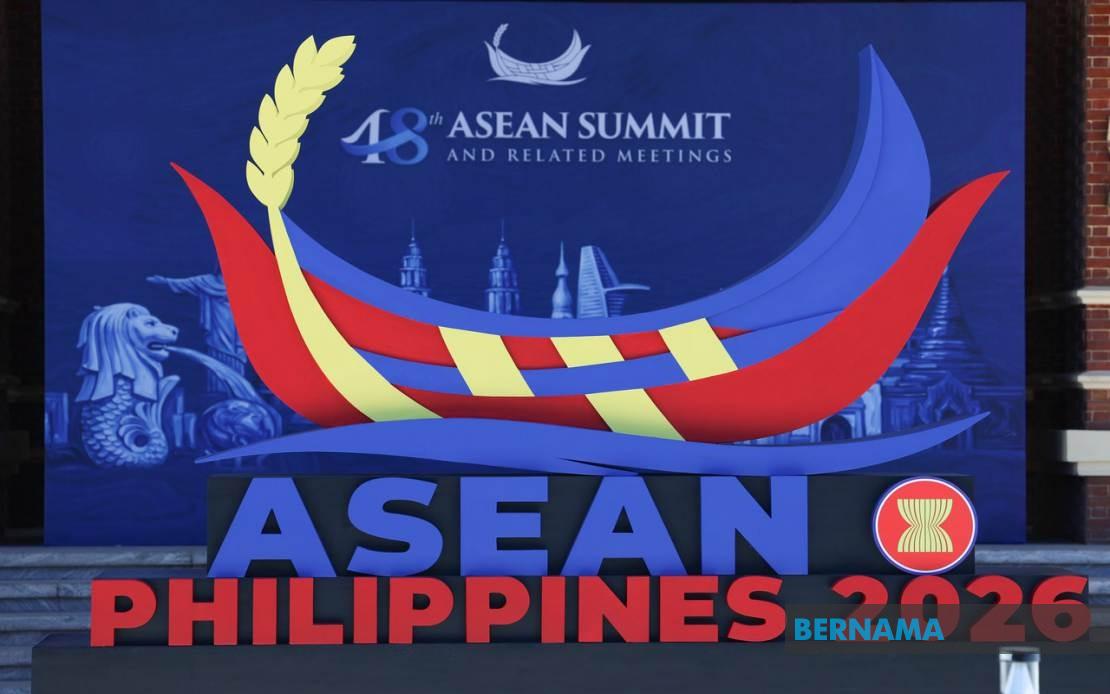
The timing of the informal meeting follows the 48th ASEAN Summit in Cebu, where regional leaders explicitly tasked foreign ministers with sustaining what they characterised as "constructive and principled engagement" with Myanmar. This language represents an attempt to thread a needle between ASEAN's non-interference tradition and mounting regional and international pressure to take stronger stances against Myanmar's military rulers. The distinction between constructive engagement and principled engagement suggests an acknowledgment that the bloc must maintain both diplomatic channels while upholding certain baseline standards regarding violence and humanitarian concerns.
U Tin Maung Swe's participation signals that the junta leadership remains willing to engage through ASEAN mechanisms, even as bilateral relations between Myanmar and some individual member states have deteriorated. The foreign minister represents a relatively technocratic element within Myanmar's military hierarchy, suggesting that the junta may view this engagement as an opportunity to influence regional perceptions and potentially ease diplomatic isolation. For ASEAN, however, the challenge lies in translating any diplomatic breakthroughs into concrete improvements on the ground, where conflict continues to displace populations and humanitarian needs remain acute.
The expected exchange of views on ASEAN's engagement strategy suggests that foreign ministers will use the Bangkok forum to calibrate a collective approach going forward. This coordination matters considerably for Southeast Asian stability, as divergent national approaches to Myanmar could fragment the bloc's leverage. Thailand, which hosts the meeting and shares a lengthy border with Myanmar, maintains particularly complex relations with Naypyidaw, balancing security concerns, refugee issues, and trade relationships. The Bangkok venue itself thus carries symbolic weight, underscoring Thailand's role as both regional host and interested party.
For observers across Southeast Asia, including Malaysia, the core question remains whether informal diplomatic engagement of this sort can influence junta behaviour or whether ASEAN's traditional approach has reached the limits of its effectiveness. The Foreign Ministers' willingness to listen to Myanmar's account of developments suggests openness to understanding Naypyidaw's perspective, yet the meeting's framing around violence cessation and humanitarian assistance indicates non-negotiable concerns. The outcome may reveal whether ASEAN can maintain its preferred diplomatic style while addressing what many regard as a humanitarian and political emergency requiring more forceful international pressure.

