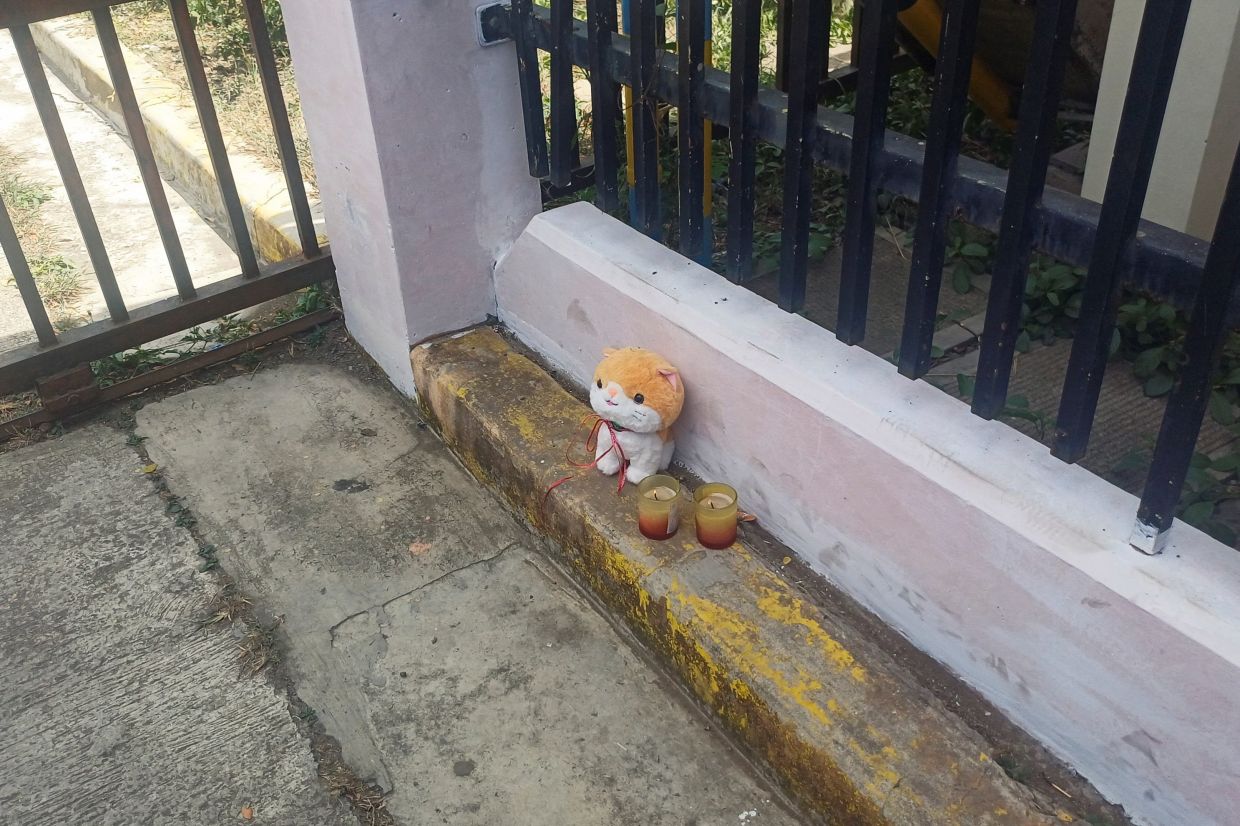
The fatal shooting at a Zamboanga City school on August 18, carried out by a Grade 8 student who livestreamed the violence before taking his own life, has exposed troubling gaps in how the Philippines identifies and prevents youth violence. The incident, which claimed the lives of two students alongside the perpetrator and wounded two others, represents the second such attack within seven weeks, forcing policymakers to confront uncomfortable questions about what safeguards have failed and what new measures might prevent future tragedies.
What has proved most unsettling for educators and officials is the apparent absence of conventional warning signs. Education Secretary Sonny Angara emphasised that the shooter presented himself as an exemplary student, academically accomplished and seemingly well-integrated into school life. Teachers reported no behaviour that would have triggered concern, no documented disciplinary issues, no visible markers of distress that schools are typically trained to recognize. This revelation underscores a critical challenge facing institutions across Southeast Asia: the difficulty of identifying psychological crises that may be playing out largely in digital spaces rather than in physical classrooms or family settings.
Angara's observations at Ateneo de Zamboanga University highlighted a philosophical shift in how authorities are approaching school safety. Traditional responses—fortified perimeters, surveillance systems, metal detectors—address only the physical dimension of security. Without corresponding investment in emotional intelligence and community intervention, such infrastructure offers a false sense of protection. The Education Secretary's call for teachers and school communities to develop stronger relationships with students, to recognise subtle changes in behaviour or engagement, points toward a more holistic framework that acknowledges the complexity of youth mental health in an increasingly digital age.
The role of social media in amplifying both the incident and its impact has become impossible to ignore. The perpetrator's decision to use a body-worn camera to livestream the attack transformed a localised tragedy into a distributed spectacle, reaching audiences far beyond Zamboanga City. Senate President Sherwin Gatchalian has seized on this aspect to push for legislative action that would prohibit children under 16 from accessing social media platforms. His argument carries particular weight in the Philippine context, where social media penetration among youth is exceptionally high and digital literacy remains uneven. The rapid circulation of graphic imagery and conflicting reports through messaging groups and public posts, as one parent described, creates secondary waves of trauma that extend the incident's psychological reach into homes and communities that were not directly affected.
The question of age-appropriate digital access reflects a broader global tension between protecting minors and allowing them meaningful participation in networked communities. Countries including France and parts of Europe have pursued legislative approaches similar to Gatchalian's proposal, though enforcement and constitutional challenges have complicated implementation. For Malaysia and other Southeast Asian nations watching this debate, the Philippine experience serves as a case study in how rapidly social media can amplify crises and how traditional content-rating systems, designed for broadcast media, have become inadequate for the social web era. The proposal to extend television and film rating mechanisms to online platforms, as suggested by parents participating in the aftermath, acknowledges this inadequacy while raising practical questions about jurisdiction and enforcement.
Investigators remain focused on reconstructing the sequence of events that culminated in the shooting, including identifying the shooter's psychological state and his specific grievances. Police have been examining his electronic devices forensically, searching for digital traces that might illuminate his motivation and any online communities or content that may have influenced his actions. This investigative focus reflects a recognition that school violence, particularly when perpetrated by students, often involves some digital footprint—browsing history, online conversations, exposure to violent content, or engagement with extremist communities. Understanding these patterns is essential for developing early warning systems that operate in digital space rather than relying solely on observable classroom behaviour.
The access to firearms has emerged as an equally critical failure point. The weapon used was a .40-caliber pistol issued by the Bureau of Customs to the shooter's father, highlighting how official firearms can migrate into unauthorised hands within households. Interior Secretary Jonvic Remulla has called for strengthened penalties targeting gun owners whose weapons are accessed by minors, effectively creating legal liability for inadequate home storage. This proposal would represent a significant shift in the Philippines' approach to firearm regulation, moving beyond controlling weapons themselves toward controlling their security within private spaces. Such measures echo some of the strictest gun laws in other democracies, where personal storage requirements have become central to preventing access by family members.
The timing of this second incident within weeks suggests systemic vulnerability rather than isolated tragedy. The relative rarity of school shootings in the Philippines—compared with countries like the United States—means that institutional responses, threat assessment protocols, and public awareness remain underdeveloped. Schools have not yet normalised the practice of conducting threat assessments or mental health screenings; teachers are not uniformly trained in recognising suicidal ideation or violent intent; and family discussions about access to household firearms remain culturally uncommon. Building these preventive capacities will require sustained investment and attitudinal change across multiple institutions.
For the broader Southeast Asian region, the Philippine debate carries implications that extend beyond national borders. The Philippines' experience with rapid social media adoption, the growth of digital-native youth populations, and the availability of firearms in some communities mirrors patterns emerging elsewhere in Asia. Malaysia, for instance, faces similar questions about social media regulation and youth mental health, though with a different firearms landscape given stricter gun control laws. The Philippines' legislative experiments with age restrictions and firearm storage requirements may provide practical lessons—both about what approaches prove feasible and what unintended consequences emerge—for other regional governments contemplating similar measures.
The immediate response from Angara and other officials emphasises the need for community-level intervention and improved communication between schools, families, and students. This approach acknowledges that no legal or technical intervention can substitute for the relational work of staying connected to young people, noticing when something has shifted in their engagement with school and peers, and creating pathways for students to express distress before it transforms into violence. The tragedy in Zamboanga City, despite the academic standing of the perpetrator and the absence of conventional warning signs, may ultimately prove that prevention requires constant, attentive presence rather than reactive security measures applied after crises emerge.

