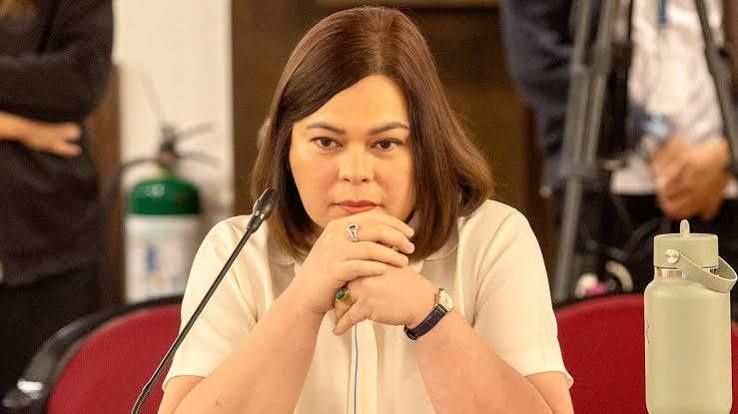
The Philippine National Police has announced a substantial security operation ahead of the impeachment trial of Vice President Sara Duterte, deploying approximately 6,000 officers to protect the Senate complex and surrounding areas in Manila. The move reflects authorities' determination to maintain order during what promises to be a politically volatile proceeding, with the trial set to begin on Monday. Police officials stressed their commitment to ensuring the proceedings unfold safely and without disruption, signalling the heightened tensions surrounding this landmark constitutional moment in Philippine politics.
The magnitude of the police deployment underscores the significance of the case and the potential for public demonstrations or disorder. Road closures are being implemented in Pasay City, where the Senate complex is situated, starting Monday to facilitate traffic management and prevent unauthorised access to the proceedings. Local media reported these measures on Friday, giving residents and businesses in Metro Manila advance warning of transport disruptions. Such precautions are standard for high-profile state trials, but the scale suggests officials are bracing for considerable public interest and possible unrest.
Sara Duterte, daughter of former President Rodrigo Duterte, has become a polarising figure in Philippine politics. The timing of her impeachment trial is significant given her announcement in February of her candidacy for the 2028 presidential election. This trial thus intersects with the country's electoral calendar and succession politics at a critical juncture. Her potential removal from office would reshape the political landscape and eliminate a major contender from the next presidential race, carrying profound implications for the direction of Philippine governance.
The Senate impeachment court issued a directive on Thursday requiring Duterte to appear before it, whether personally or through legal representation. This mandatory appearance requirement highlights the court's authority and signals that the proceedings will proceed regardless of any boycott or absence. The vice president's decision whether to attend in person or delegate her defence to counsel will send important signals about her confidence in her legal position and her willingness to engage directly with the charge against her.
Financially, the Office of the Vice President received an unmodified audit opinion from the Commission on Audit for calendar year 2025, indicating that its financial statements were fairly presented and compliant with applicable reporting standards. This clean audit opinion, released on Thursday, provides the OVP with some credibility on fiscal management matters. However, officials were careful to note that this audit result operates independently of the impeachment proceedings and should not be conflated with the broader political allegations driving the trial.
The legal threshold for conviction is substantial: removal from office and lifetime disqualification from public service requires a two-thirds majority vote among senators. This high bar reflects the framers' intention to make removal difficult and to prevent impeachment from becoming a routine political tool. Such a requirement means the prosecution must persuade a significant cross-section of the 24-member Senate, making the trial genuinely competitive and unpredictable. Coalition-building and party dynamics will prove crucial in determining the outcome.
For Malaysian observers, this trial illustrates broader Southeast Asian governance challenges. The Philippines, like other regional democracies, faces tensions between executive and legislative branches, the politicisation of legal mechanisms, and questions about the proper use of impeachment. How Duterte's trial unfolds may offer lessons—both cautionary and otherwise—for Malaysia's own constitutional frameworks and the balance of power between different branches of government.
The impeachment itself marks an extraordinary moment in Philippine democracy. Vice-presidential impeachments are rare globally, and this case involves the sitting vice president and daughter of a former president, adding historical weight to the proceedings. The trial will receive intense media coverage not only domestically but across Southeast Asia, particularly in countries with similar Westminster-derived constitutional systems and comparable political dynamics.
The deployment of 6,000 police officers reflects the Philippine government's assessment of security risks during the trial. Security services must manage competing interests: protecting the Senate's operations and personnel, ensuring public access to justice, and accommodating possible demonstrations without permitting disruption. The scale of the operation suggests authorities believe the stakes are high enough to warrant unprecedented peacetime security measures in the capital's legislative district.
Looking ahead, this trial will establish important precedents for future impeachment proceedings in the Philippines and may influence how similar constitutional crises are handled elsewhere in the region. The outcome will affect not only Duterte's political future but also broader perceptions of whether the impeachment mechanism functions as a genuine constitutional check or as a tool for factional struggle. Malaysian policymakers and legal scholars will likely monitor developments closely as the trial progresses, particularly regarding how competing political actors navigate constitutional procedures under intense public scrutiny.

