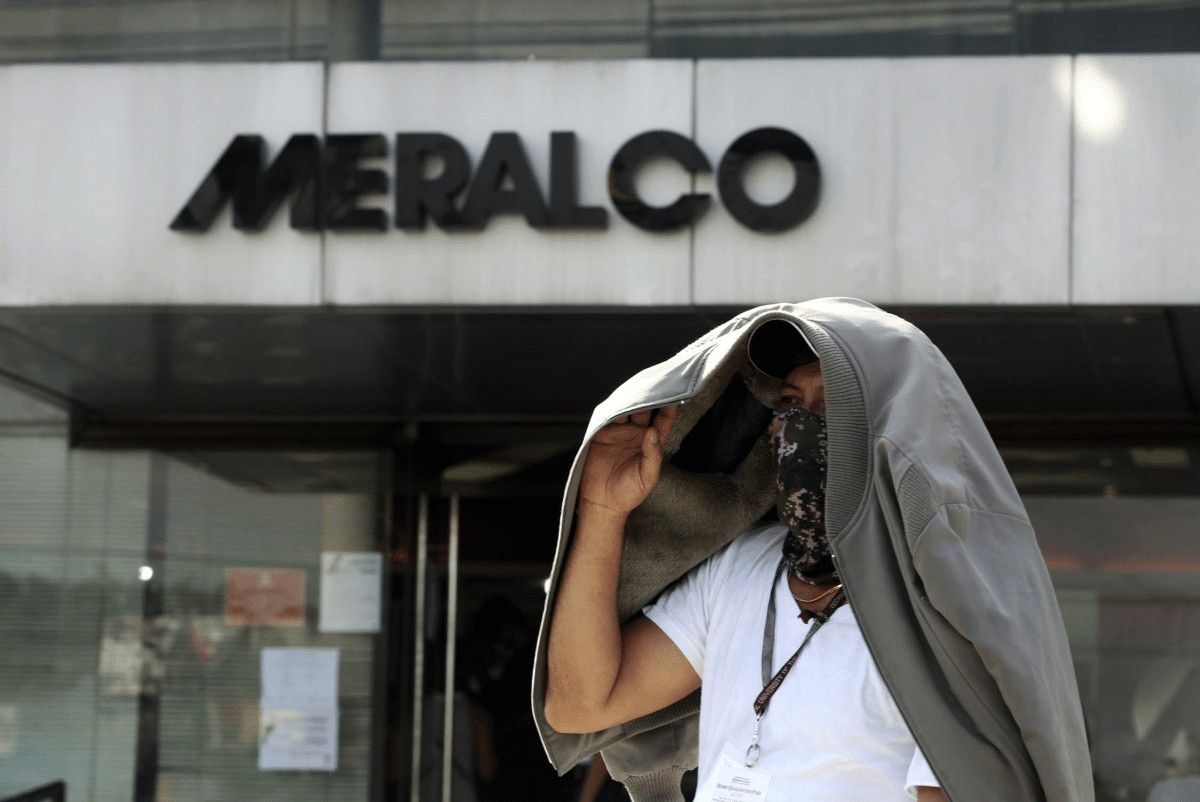
The Philippines' largest power distributor has been ordered to return nearly ₱9.5 billion to consumers following a regulatory decision that addresses overcharging during an extended rate review period. The Energy Regulatory Commission's ruling, issued on July 31, requires Manila Electric Co. (Meralco) to distribute the refund across its customer base at a rate of ₱0.3449 per kilowatt-hour, with the reimbursement to appear as a distinct charge on electricity bills over the coming half-year.
The refund mechanism reflects a systemic issue in the Philippine power sector where rate-setting procedures create gaps between actual service costs and the tariffs charged to consumers. When utilities like Meralco undergo comprehensive rate reviews—typically spanning five years unless extended—a lapse period emerges during which consumers continue paying rates established under previous regulatory frameworks. This creates what regulators call an "over-recovery," where the utility collects more revenue than justified by current operational expenses and capital investments.
Meralco's over-recovery materialised throughout 2025, a twelve-month window when the company maintained existing tariff structures while awaiting approval of new rate adjustments. During this interval, the utility's actual costs and regulatory allowances had shifted, yet consumers remained locked into outdated pricing. This scenario, while technically permissible under regulatory frameworks, generates significant financial transfers from household and business consumers to the utility when rates prove misaligned with underlying economics.
According to ERC chair and chief executive officer Francis Saturnino Juan, implementation will commence immediately following receipt of the formal ruling, with refunds integrated into the next available billing cycle. This approach differs from lump-sum payments, instead spreading the refund across multiple months to manage cash flow impacts for both Meralco and the distribution costs associated with processing individual consumer credits. The choice reflects practical considerations: dispersing refunds through regular bills reduces administrative overhead and simplifies accounting for millions of customers.
The Commission's decision explicitly incorporated interest costs alongside the principal over-recovery amount, recognising that Meralco held consumer funds throughout 2025 despite not being entitled to those revenues. This interest computation represents a significant component of the total ₱9.5 billion figure, penalising the utility for maintaining excessive charges and compensating consumers for delayed return of their money. Such interest inclusion signals the regulator's determination to ensure that rate-setting processes do not inadvertently benefit utilities at consumer expense.
For Malaysian observers, the Philippine experience offers instructive lessons about regulatory architecture and consumer protection in utility markets. Malaysia's own electricity regulatory framework faces periodic scrutiny regarding rate-setting transparency and the mechanisms governing tariff adjustments between formal review periods. The Philippine case demonstrates how extended review cycles can create unintended windfalls for utilities and the importance of clear protocols for addressing over-recovery situations.
The broader context involves Meralco's persistent role in regional energy debates. As Southeast Asia's largest electricity distributor by customer count, Meralco's pricing decisions ripple across the Philippine economy, affecting industrial competitiveness, household budgets, and inflation dynamics. A ₱9.5 billion refund, while meaningful for individual consumers, represents a modest correction relative to Meralco's annual revenues, yet the regulatory action signals commitment to preventing systematic overcharging.
Consumers across Metro Manila and nearby provinces will notice the refund through reduced billing charges rather than cheques or separate payments. This method, while administratively efficient, may reduce public awareness of the reimbursement's significance. Advocacy groups have historically emphasised the importance of transparent refund communication to ensure customers understand they are receiving compensation for regulatory failures rather than temporary billing adjustments.
The decision also underscores ongoing tensions between regulated utility profitability and consumer affordability in developing economies. Meralco operates within an environment where infrastructure expansion requirements are substantial yet consumer purchasing power remains constrained. Regulators must balance legitimate utility needs for revenue certainty against consumer expectations for fair pricing. The refund decision acknowledges that when rate-setting systems produce demonstrable overcharges, correction mechanisms must operate to prevent accumulated financial burdens on consumers.
Meralco's next formal rate review will determine tariffs for the subsequent regulatory period, and the Commission's aggressive stance on the current over-recovery likely signals heightened scrutiny of any future claims for accelerated rate increases. Utilities across Southeast Asia monitoring this decision may recalibrate their own regulatory strategies, recognising that modern regulators increasingly favour consumer protection mechanisms over utility revenue smoothing during rate review transitions.
The practical implications extend beyond Meralco's finances to broader questions about regulatory credibility and consumer confidence in utility oversight. When regulators demonstrate willingness to order substantial refunds and incorporate interest penalties, they strengthen their institutional legitimacy and signal that rate-setting processes ultimately serve consumer welfare rather than utility interests. This public trust element proves crucial for utility sector stability, as consumers are more likely to accept rate increases when they perceive underlying regulatory fairness.

