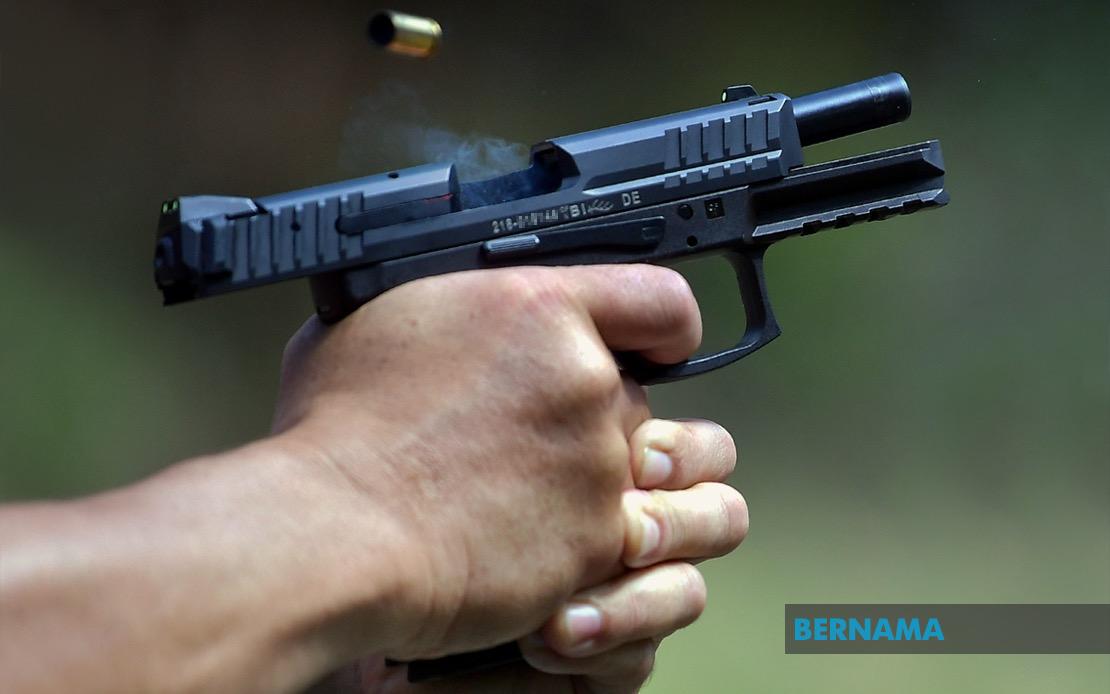
A prominent Philippine vlogger has been killed in a shooting incident that underscores ongoing security concerns in the Southeast Asian nation. The attack occurred on Friday morning in Caloocan City in the northern Philippines when unidentified gunmen opened fire on the victim and her partner. The vlogger, known online as Mima Alicia and identified by her real name Alicia Lipata, died from a gunshot wound to the head, while her companion sustained injuries and received immediate medical treatment at a hospital.
The incident marks another troubling case of violence against content creators and political commentators in the Philippines, a country where digital media personalities increasingly face threats for their work. Lipata had cultivated a following through social media posts offering political analysis and commentary, making her presence felt in the crowded digital landscape where Filipinos engage with current events and governance issues. The nature of her online activity raises immediate questions about whether the attack was connected to her public advocacy or expressions of political opinion.
Investigators responding to the scene identified the attackers as motorcycle-riding gunmen who fled immediately after the shooting, a modus operandi commonly associated with contract killings in the Philippines. Police have not yet released detailed information about the direction of their escape or preliminary leads on their identities. The use of motorcycles as getaway vehicles is a pattern frequently documented in targeted attacks across major Philippine cities, allowing perpetrators to navigate congested urban areas with relative ease.
The authorities have responded by establishing a special investigation task group tasked with identifying and apprehending those responsible for the shooting. This dedicated approach suggests police recognition of the incident's gravity and potential public interest implications. The task group will also focus on determining the motive behind the attack, whether it stems from personal conflict, criminal enterprise, or retaliation related to Lipata's public commentary. Such investigations can be protracted and complex, particularly when initial leads are sparse and witnesses are reluctant to come forward.
The killing occurs within a broader context of violence targeting journalists, activists, and outspoken public figures in the Philippines. Press freedom organisations have documented a pattern of intimidation and physical attacks against those who use media platforms to critique government policies or investigate corruption. While some incidents are resolved and perpetrators face prosecution, many cases remain unsolved, contributing to a climate of impunity that emboldens potential attackers and restricts the scope of public discourse.
For Malaysian observers and regional commentators, the incident reflects challenges common across Southeast Asia where the expansion of digital platforms has created new avenues for political expression but also new vulnerabilities. The proliferation of vlogging and social media commentary has democratised public debate, enabling individuals without institutional backing to reach audiences and influence opinion. However, this same accessibility makes content creators targets for those who view their messaging as threatening to interests, whether political, commercial, or personal.
The shooting in Caloocan City also raises questions about the adequacy of protective measures available to public figures engaged in commentary and advocacy work. Unlike established journalists working for news organisations with institutional security protocols, independent vloggers and digital creators often operate without formal safeguards or early warning systems that might alert them to emerging threats. The vulnerability of this growing segment of content creators has yet to be adequately addressed through comprehensive policy frameworks or industry standards across the region.
The incident will likely intensify discussions within Philippines civil society about digital safety and the conditions necessary for maintaining a vibrant public sphere. Advocacy groups tracking press freedom and protection of expression have previously called for enhanced investigation capacity, witness protection programmes, and accountability mechanisms for law enforcement investigating attacks on media figures. The formation of a dedicated task group in this case may signal responsiveness to such advocacy, though sustained commitment to pursuing leads and prosecuting suspects will ultimately determine whether the case contributes to establishing meaningful deterrence.
For the broader Southeast Asian region, including Malaysia, the case demonstrates the interconnected nature of challenges facing democracies grappling with the integration of digital media into political life. As platforms enable citizens to participate more directly in civic discourse, ensuring their safety while preserving open communication channels remains an ongoing tension. The outcome of investigations into Lipata's death may offer lessons about how rapidly evolving security challenges require corresponding adaptations in protective frameworks and investigative capacity, particularly for the expanding ranks of independent content creators engaging audiences on politically sensitive issues.

