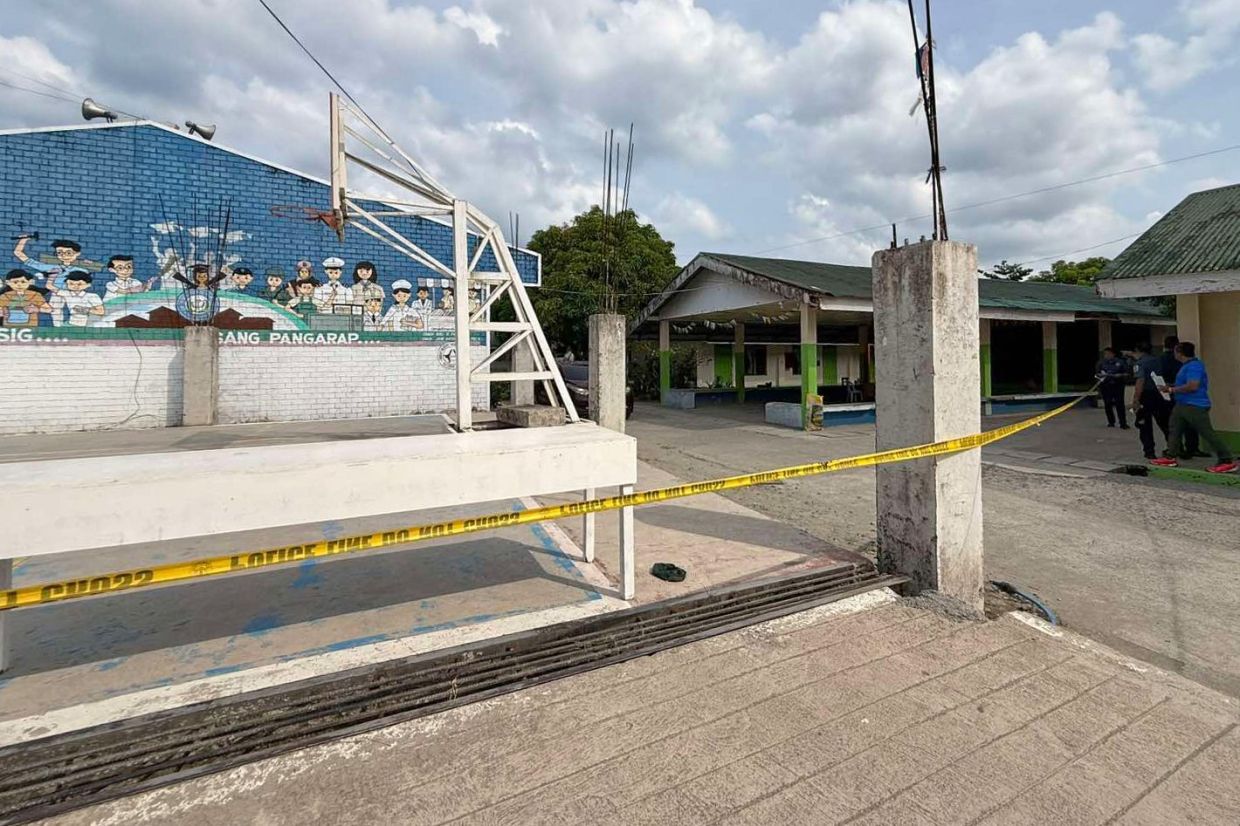
A 14-year-old student in the Philippines was apprehended by law enforcement on Thursday, June 25, after she allegedly made public threats of violence against her school on social media platforms. The arrest came on the heels of a deadly shooting incident at San Jose National High School in Tacloban City on the previous Monday, which claimed three lives and injured at least 20 others. Interior Secretary Jonvic Remulla disclosed the details of the detention during a press briefing at Camp Crame, revealing that the female Grade 10 pupil attended Tolosa National High School on Leyte island.
The apprehension followed a warning submitted by Senator Bam Aquino, who alerted authorities to the concerning social media post made the preceding Wednesday evening. The threatening message, which circulated across multiple accounts allegedly created by the same minor, contained alarming language targeting her schoolmates. The post directed recipients to share the message widely while issuing warnings to Tolosa National High School students, stating that she would "disrupt the school" and threatening potential violence including shooting or stabbing.
According to Remulla's account, the threatening communication was particularly menacing in its anonymity and vagueness about timing. The poster claimed that her identity would remain unknown initially but would eventually become recognisable, and that she posed an indiscriminate threat to the student body without specifying when such actions might occur. The explicit references to weapons and harm created immediate concern among school officials and law enforcement agencies already on heightened alert following the Tacloban shooting just days earlier.
The Philippine National Police's Criminal Investigation and Detection Group conducted the investigation, ultimately determining the girl's identity through social media forensics and corroborating information provided by concerned individuals within the community. Police discovered that the suspect had operated multiple Facebook accounts to amplify her threatening messages, a tactic designed to increase visibility and perceived credibility of the threats. However, by the time authorities reached out to the minor, she had already deleted the incriminating posts and her various accounts, complicating the investigation.
Under Philippine law, the minor could not face criminal charges due to the protections afforded by Republic Act No. 9344, known as the Juvenile Justice and Welfare Act. Consequently, the Philippine National Police transferred custody of the girl to the Department of Social Welfare and Development before ultimately releasing her. This legal framework, designed to prioritise rehabilitation over punishment for minors, meant that despite the seriousness of her alleged actions, the case could not proceed through the traditional criminal justice system.
Remulla noted that the investigation revealed significant obstacles in gathering information about the minor's motivations and circumstances. The girl demonstrated reluctance and resistance during questioning, citing fear of negative consequences. Her parents, when initially contacted by officers from the Tolosa Municipal Police Station, declined to cooperate or provide details about the incident, further hampering efforts to understand the full scope of the threat and any underlying factors that may have prompted such behaviour.
Despite these complications, investigators concluded that the threats likely stemmed from "personal and family issues" rather than a genuine plan to carry out violence. This assessment proved crucial in determining that the danger had been "neutralised and neutralised." Authorities found no evidence suggesting an organised conspiracy, no indication of involvement by other individuals, and critically, no access to firearms on the part of either the minor or her family members. These findings suggested that while the threats were real and required immediate intervention, they appeared to represent an impulsive outburst rather than a premeditated attack.
A particularly troubling detail emerged regarding the suspect's entertainment preferences. Remulla revealed that the teenager was an "avid fan" of GoreBox, a violent video game that gained notoriety following the Tacloban shooting. The two student shooters in that incident, aged 14 and 15, were similarly devoted to the game. This connection prompted the Cybercrime Investigation and Coordinating Centre to temporarily ban the title in the Philippines, though experts remain divided on whether video games serve as direct catalysts for real-world violence or merely appeal to individuals with pre-existing aggressive tendencies.
The Tacloban City shooting that precipitated the current investigation represents a severe escalation in school violence within the region. The perpetrators, themselves students of similar ages to the Tolosa girl, opened fire at San Jose National High School during school hours, killing three fellow students and wounding more than 20 others. The incident sparked urgent national conversations about school safety, youth mental health, and access to firearms among minors, with authorities scrambling to prevent copycat incidents.
For Southeast Asian observers, the case reflects a disturbing pattern of escalating youth violence in Philippine schools, mirroring concerns seen in other regional jurisdictions. The speed with which threats emerge on social media following high-profile incidents demonstrates the challenges facing law enforcement in the digital age, where information—and misinformation—spreads instantaneously. The convergence of untreated mental health issues, access to weapons, and social media amplification creates a particularly volatile combination that regional governments continue to struggle with.
The handling of this case also illustrates the tension between child protection laws and public safety imperatives. While the Juvenile Justice and Welfare Act serves important rehabilitative purposes, the inability to prosecute minors for serious threats leaves authorities reliant on intervention by welfare agencies and parental cooperation. In this instance, parental non-cooperation significantly limited what authorities could achieve, raising questions about whether current frameworks adequately address modern threats transmitted through digital platforms.
Going forward, the incident underscores the necessity for comprehensive approaches combining social media monitoring, school safety protocols, mental health support systems, and firearm regulations. For Malaysian readers and regional security officials, the Philippine experience offers cautionary lessons about the speed with which threats can materialize in connected communities and the importance of addressing underlying social and psychological factors driving youth violence rather than treating such incidents as isolated criminal acts.

