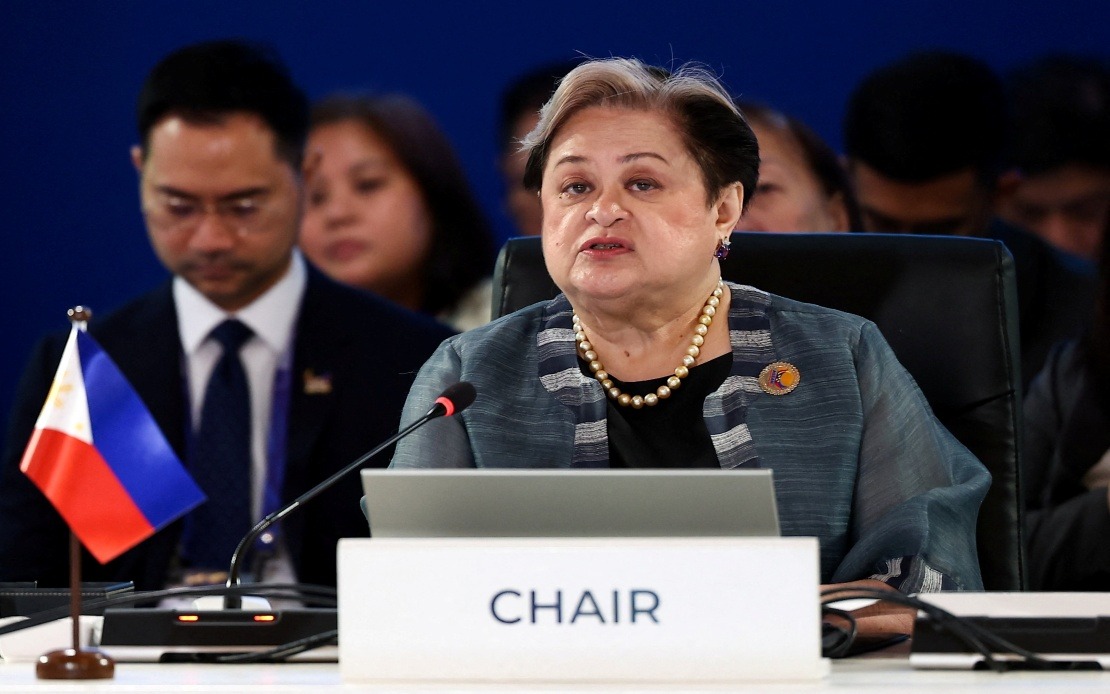
The Philippines' Foreign Affairs Secretary Ma. Theresa Lazaro, who serves as the special envoy for the ASEAN chair, has announced plans to lead a comprehensive humanitarian mission into Myanmar before the close of 2026. The initiative emerges from intensive diplomatic engagements conducted throughout Thailand last month, where Lazaro convened with fellow Southeast Asian foreign ministers and key Myanmar stakeholders to assess the country's deteriorating political landscape. According to the Department of Foreign Affairs, the proposed mission has already secured backing from all relevant parties involved in regional discussions about Myanmar's future.
The humanitarian undertaking represents a significant diplomatic effort to address the escalating humanitarian crisis unfolding across Myanmar. The DFA emphasized that the mission's primary objective centers on substantially improving humanitarian access into regions experiencing the most acute need for assistance. Officials have indicated that greater logistical and operational details regarding the mission's scope, timeline, and specific target areas will be released at a later date. The commitment to lead this mission underscores the Philippine chair's determination to translate ASEAN's diplomatic engagement into tangible humanitarian outcomes for affected Myanmar populations.
Lazaro's diplomatic shuttle in Thailand proved pivotal in constructing consensus around the mission. On July 12, she held separate discussions with Myanmar's Foreign Minister U Tin Maung Swe, concentrating specifically on advancing the Five-Point Consensus framework that ASEAN adopted as its blueprint for addressing Myanmar's instability. These bilateral conversations explored how the regional organisation might facilitate Myanmar's reintegration and normalisation within ASEAN structures. The Five-Point Consensus, originally endorsed to guide Myanmar's political transition, remains central to ASEAN's diplomatic strategy despite considerable implementation challenges since the 2021 military coup.
The same day, Lazaro presided over an informal gathering of ASEAN foreign ministers alongside their Myanmar counterpart, marking the first substantive in-person assembly of this body since 2021. This gathering held considerable symbolic importance, demonstrating ASEAN's commitment to maintaining engagement channels despite Myanmar's profound political fractures. During these discussions, U Tin Maung Swe provided updates on his government's progress against the Five-Point Consensus action items and outlined a 100-day peace initiative aimed at conflict resolution. The foreign minister also detailed Myanmar's evolving strategies to combat cross-border criminal networks operating throughout the region, a transnational challenge affecting multiple Southeast Asian nations.
The convening of ASEAN ministers underscored the consensus that the Five-Point Consensus framework remains the most viable pathway forward for Myanmar's stabilisation. Despite Myanmar's military government's inconsistent adherence to the framework's stipulations, regional ministers reiterated that this diplomatic instrument provides the essential foundation for addressing the country's multifaceted crisis. Lazaro herself emphasised that Myanmar's membership within ASEAN remains non-negotiable and that the country continues to occupy a central position within the regional bloc's strategic architecture, regardless of current political turbulence.
On the following day, Lazaro extended her diplomatic outreach to Myanmar's ethnic armed organisations and the National Solidarity and Peacemaking Negotiation Committee, signalling ASEAN's commitment to inclusive dialogue processes. These meetings explored mechanisms for facilitating constructive political negotiations between Myanmar's fractionalised parties and armed groups. The DFA noted that representatives from both ethnic armed organisations and the peacemaking committee demonstrated receptiveness to participating in broader dialogue frameworks, while emphasising the necessity for comprehensive preparation and careful orchestration of any negotiation processes.
These diplomatic manoeuvres reflect the complexities inherent in ASEAN's approach to Myanmar, which seeks to maintain non-interference principles while simultaneously pressuring the military government toward political reform. The humanitarian mission proposed by Lazaro represents an attempt to circumvent purely political channels by addressing the immediate welfare needs of Myanmar's civilian population. With conflict continuing to displace communities and restrict access to essential services across multiple Myanmar regions, the humanitarian angle offers ASEAN a mechanism for meaningful engagement that transcends the diplomatic stalemate characterising recent negotiations.
For Malaysia and other Southeast Asian nations, the humanitarian mission carries significant implications. The ongoing Myanmar crisis generates refugee flows affecting neighbouring countries, including Malaysia, where Rohingya and other displaced communities maintain substantial populations. The mission's success in expanding humanitarian access could help stabilise broader regional migration pressures and reduce the burden on countries hosting Myanmar's displaced populations. Furthermore, the emphasis on transnational crime prevention speaks to concerns throughout Southeast Asia regarding drug trafficking and human smuggling networks that exploit Myanmar's instability.
The mission also signals ASEAN's determination to maintain diplomatic relevance despite external pressures and internal disagreements regarding Myanmar policy approaches. By positioning itself as a humanitarian facilitator rather than solely a political negotiator, the regional bloc attempts to sustain engagement with Myanmar's military government while demonstrating commitment to civilian welfare. This balancing act remains precarious, as Myanmar's military continues to resist pressure for genuine political reforms while simultaneously facing intensifying armed resistance from various opposition groups.
The success of Lazaro's proposed mission will likely depend upon securing operational access from Myanmar's military authorities and coordinating effectively with international humanitarian organisations already working within the country. ASEAN's track record in brokering similar initiatives suggests both the potential for meaningful progress and the challenges arising from Myanmar's fractured governance structures. The mission's outcomes will substantially influence whether ASEAN can reinvigorate its diplomatic strategy toward Myanmar or whether regional divisions and Myanmar's internal dynamics will continue to frustrate collective action throughout 2026.

