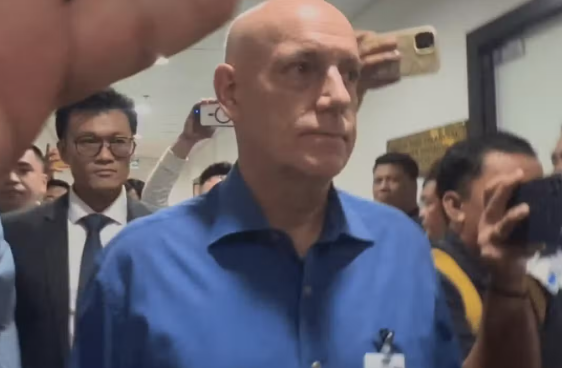
Tab Baldwin, the former head coach of Ateneo de Manila University's men's basketball team, has submitted to questioning by the National Bureau of Investigation following weeks of missed appointments that complicated authorities' probe into the deaths of two student-athletes. Baldwin arrived at the NBI Homicide Division on Tuesday, June 23, in the afternoon accompanied by his legal counsel Karl David, marking his first formal appearance after repeatedly failing to show up for scheduled interviews.
The investigation centres on the tragic drowning of Rene Baterbonia and Divine Adili, both members of the Ateneo men's basketball squad, who perished during a team activity in Dipaculao, Aurora earlier in June. The incident sent shockwaves through Philippine university sports circles and prompted parallel investigations by multiple law enforcement agencies seeking to establish the circumstances surrounding the deaths and determine whether proper safety protocols were followed during the activity.
Baldwin's initial scheduled appearance on June 16 did not materialise. Instead, his legal representative appeared on his behalf, stating that the coach was unwell and unable to attend the interview. This absence raised eyebrows among investigators and heightened public scrutiny of the coach's cooperation with authorities. The second missed appointment came on June 19, though on that date Baldwin had presented himself before the Philippine National Police-Criminal Investigation and Detection Group for separate questioning, creating a complicated timeline of his interactions with law enforcement.
The involvement of multiple investigative bodies reflects the seriousness with which authorities are treating the case. Both the NBI and the PNP-CIDG have been conducting independent but coordinated investigations into the drowning incident. This dual investigation structure is not uncommon in high-profile cases involving potential criminal negligence or breach of duty, as it allows for cross-verification of statements and ensures comprehensive scrutiny of the facts.
NBI Director Melvin Matibag indicated that investigators would carefully compare Baldwin's statement given during Tuesday's session with the testimony he had previously provided to the PNP-CIDG on Friday. This comparative analysis is a standard investigative technique designed to identify inconsistencies or contradictions that might indicate evasion or dishonesty. Such discrepancies, if discovered, could significantly influence the direction of the investigation and potentially lead to additional charges beyond those already being considered.
For Malaysian observers, the case underscores growing concerns across Southeast Asia regarding institutional accountability in athletic programmes and the safeguarding of student welfare during team activities. Philippine universities, like their Malaysian counterparts, operate within regulatory frameworks that require duty of care towards student participants in organised events. The Ateneo case demonstrates the potential consequences when such protections may have been inadequate or overlooked.
The investigation's timeline has created considerable media attention and public concern in the Philippines. The repeated postponements of Baldwin's interviews, whether due to health issues or other reasons, have fuelled speculation about the circumstances of the drowning and whether all relevant parties are cooperating fully with authorities. Transparency in such investigations is crucial for maintaining public confidence in the justice system and institutional accountability.
Baldwin's case carries particular weight given his prominence in Philippine collegiate basketball. His position as head coach of one of the country's most respected university sports programmes meant that decisions he made regarding team activities, safety measures, and supervision of student-athletes carried significant responsibility. Any findings regarding his conduct or the adequacy of safety protocols during the fatal activity could have broader implications for how university athletic departments structure and oversee similar events.
The NBI's stated intention to conclude its investigation by the end of that week indicated that authorities were moving toward forming preliminary conclusions about the incident. Such timelines, while necessary for judicial efficiency, must be balanced against the need for thorough examination of all evidence and testimony. The involvement of Baldwin's legal counsel from the outset suggests an adversarial investigation process, which is appropriate when potential criminal liability is being explored.
The drowning incident and subsequent investigation have raised questions within Philippine athletic circles about training protocols, emergency response procedures, and the adequacy of supervision during team activities held away from campus. These discussions extend beyond the immediate facts of the case to encompass broader policy considerations that universities across Southeast Asia must address. Institutions must balance the benefits of outdoor team-building activities with the imperative to protect student safety through rigorous planning and oversight.
As the investigation progressed toward its anticipated conclusion, the focus remained on determining whether negligence or failure to implement proper safety measures contributed to the deaths. The cooperation of key figures like Baldwin was essential to establishing a complete factual record. His eventual appearance, after the earlier no-shows, represented a step toward providing investigators with the information needed to reach substantive conclusions about the incident and assign appropriate responsibility.