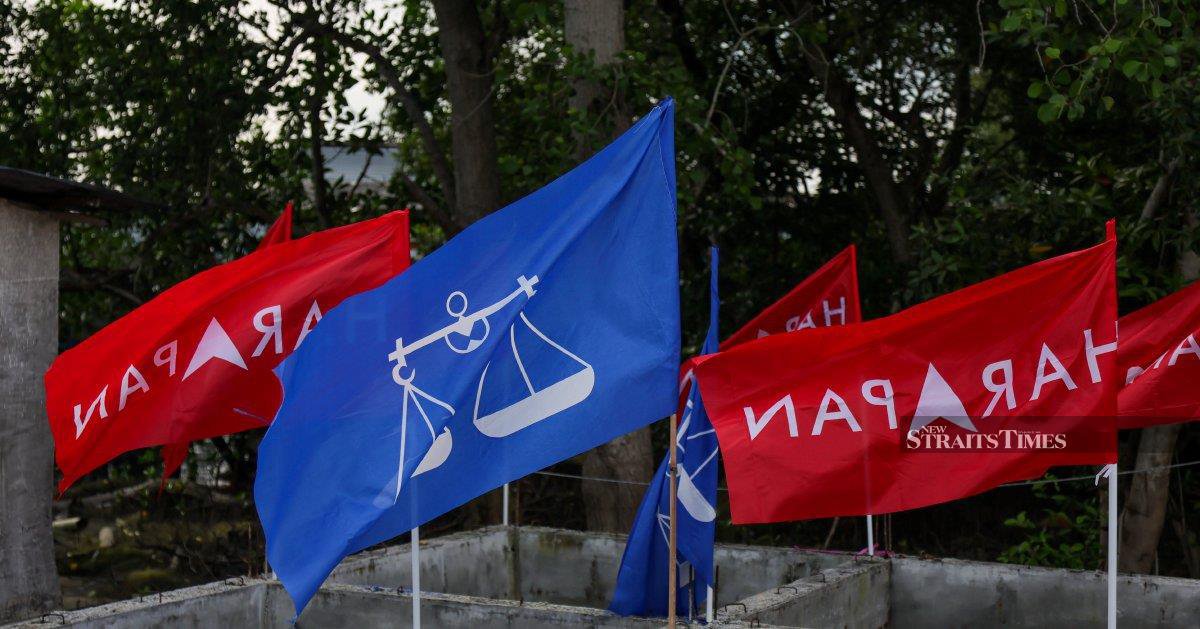
The Pakatan Harapan youth coalition has issued a pointed ultimatum to all Barisan Nasional ministers and deputy ministers currently serving in Malaysia's federal cabinet, calling for their immediate resignation over what it characterises as a fundamental betrayal of the unity government arrangement. The demand comes in response to Barisan Nasional's decision to openly cooperate with Perikatan Nasional in upcoming elections in Johor and Negri Sembilan, a move that has triggered significant friction within the ruling coalition that has governed the country since 2023.
This confrontation reflects deepening tensions within the unity government framework that has held together Malaysia's fragile political equilibrium since the 2022 general election. The coalition was intended to represent a break from the partisan divisions that had previously characterised Malaysian politics, yet the competing electoral interests of its constituent parties have repeatedly tested its cohesion. Barisan Nasional's flirtation with Perikatan Nasional, which was excluded from the unity government and has positioned itself in opposition to certain federal policies, signals a potentially troubling development for the broader coalition's stability.
From the perspective of Pakatan Harapan youth leadership, Barisan Nasional's approach represents not merely a tactical electoral decision but a conceptual violation of the principles underlying the unity government arrangement. The coalition was premised on the notion that political parties would set aside narrow partisan calculations in favour of broader governance goals and institutional stability. By aligning with Perikatan Nasional at the state level, Barisan Nasional appears to be hedging its bets, maintaining options with opposition-aligned parties while simultaneously holding cabinet positions that give it access to federal resources and decision-making authority.
The Johor and Negri Sembilan electoral contests have become flashpoints for this broader disagreement, with both states representing significant political battlegrounds where control could shift the balance of power within individual state governments. For Pakatan Harapan, which has seen its federal dominance tested in recent years, allowing Barisan Nasional to coordinate with Perikatan Nasional risks opening pathways for opposition forces to consolidate influence at the state level. This could eventually threaten the federal government's ability to implement policies and manage economic initiatives that require multi-level governmental coordination.
The resignation demand carries symbolic weight beyond its immediate implications for cabinet appointments. It represents a escalation from previous complaints about ministerial conduct or policy disagreements to a fundamental questioning of whether Barisan Nasional representatives can continue occupying positions of federal trust while simultaneously cooperating with parties fundamentally opposed to the unity government model. The youth wing's intervention suggests that grassroots frustration within Pakatan Harapan has reached a threshold where senior party leadership may feel compelled to address the matter more forcefully.
Barisan Nasional's calculus appears to reflect concerns about its electoral competitiveness and market share within Malaysia's fractured political landscape. Perikatan Nasional has emerged as a significant political force, particularly in Malay-majority and rural constituencies where it has cultivated a particular electoral brand. By cooperating with Perikatan Nasional rather than competing against it, Barisan Nasional may be attempting to avoid costly three-way contests that could fragment the Malay-Muslim vote. However, this strategy inherently conflicts with its federal alignment and raises questions about the party's long-term commitment to the unity government project.
The broader implications for Malaysia's political system are substantial. If the unity government framework cannot withstand the strain of state-level electoral competition, it suggests that the institutional arrangement remains vulnerable to centrifugal forces that push constituent parties toward traditional alliances and opposition blocs. The 2023 framework was never presented as permanent—elections at all levels remain inevitable—yet its early testing in state contests indicates that Malaysian politics continues to operate according to zero-sum logics that make sustainable coalition governance exceptionally challenging.
For Malaysian voters and observers following national politics, this confrontation illustrates the tension between formal governmental arrangements and the practical realities of party competition. The unity government was sold as a maturation of Malaysia's political culture, yet the willingness of coalition partners to coordinate with opposition forces demonstrates that party loyalty and narrower electoral interests remain powerful motivators. The Pakatan Harapan youth wing's demands reflect an attempt to enforce the unity government's internal discipline, yet the very necessity of such enforcement suggests the arrangement rests on shakier foundations than public statements from senior leaders have suggested.
The stakes extend beyond individual ministerial portfolios or state electoral outcomes. How the unity government coalition responds to this challenge will signal whether the arrangement possesses sufficient institutional resilience to weather normal political pressures or whether it remains merely a temporary expedient until electoral calculations change. The resolution of this dispute could establish precedents for future disagreements over cabinet representation and electoral coordination, making it consequential not just for current political alignments but for the durability of whatever coalition arrangements emerge in future Malaysian governments.

