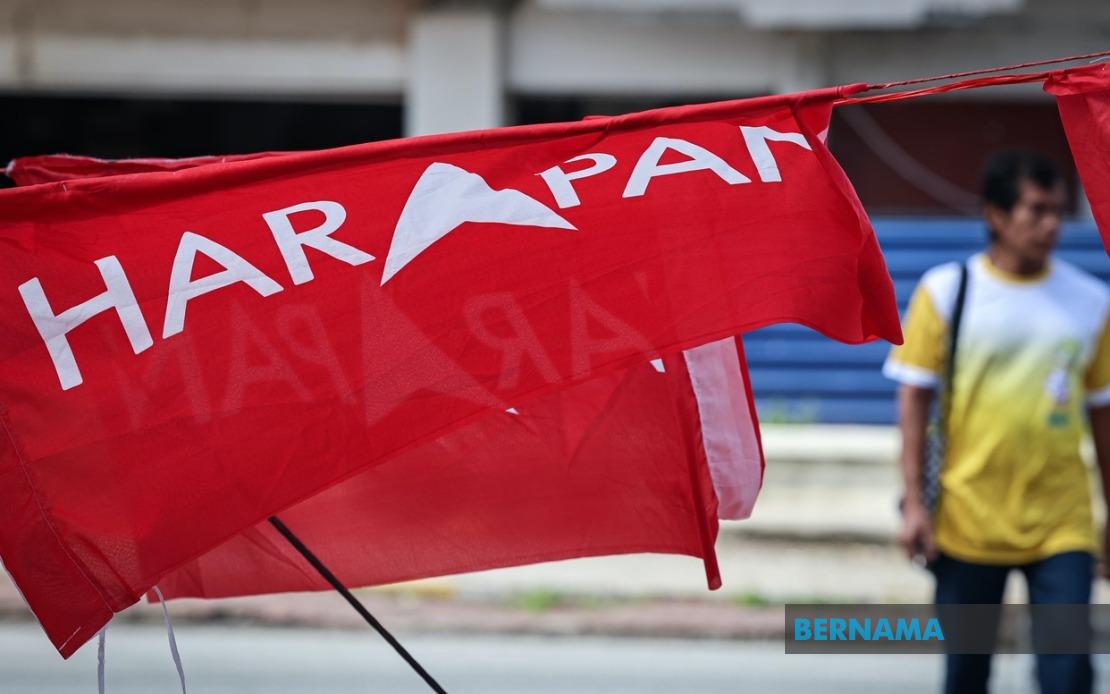
Johor's 16th state election enters its decisive phase as Pakatan Harapan candidates accelerate their campaign efforts with only five days remaining before voters head to polling stations on Saturday, July 11. The opposition coalition has adopted an integrated approach that marries conventional grassroots networking with sophisticated digital outreach, recognizing that modern electoral contests demand presence across both physical and virtual spaces. This dual-track methodology reflects evolving campaign realities in Malaysia, where demographic diversity means no single communication channel can effectively capture all voter segments.
The strategy harnesses the traditional strength of face-to-face engagement, which remains invaluable for building trust and demonstrating commitment within local constituencies. Party machinery continues to mobilize supporters for community forums, neighbourhood gatherings, and direct voter contact, the unglamorous groundwork that has anchored Malaysian politics for decades. Simultaneously, PH has recognized that dismissing digital platforms as secondary risks ceding valuable persuasion opportunities to opponents who understand younger and urban voters increasingly make political decisions through social media consumption rather than traditional news sources.
The manifesto dissemination now extends into what campaign operatives describe as a virtual campaign room, where candidates push policy messages and vision statements directly to voters without intermediation by traditional media gatekeepers. This direct-to-voter approach accelerates dialogue, permitting immediate responses to voter questions and concerns through instant messaging systems and comment sections. The velocity of digital communication contrasts sharply with traditional media cycles, where campaign statements require editorial processing before reaching audiences, introducing delays that can undermine electoral momentum.
Higher-level party leadership has injected additional campaign energy by conducting field visits that simultaneously serve morale-building and media generation functions. The presence of figures like Penang Chief Minister Chow Kon Yeow alongside local candidates provides both symbolic validation and organizational reinforcement. Such visits signal to grassroots party machinery that leadership takes the contest seriously, while offering photographic and video content for social media amplification. Chow's public appeals to Johor voters to grant PH the mandate frame the election in broader narrative terms, positioning the choice as consequential for state governance and development trajectory.
Incumbent Simpang Jeram assemblyman Nazri Abdul Rahman exemplifies this integrated approach, combining traditional community outreach with leadership visibility. His campaign activities, documented and shared across digital platforms, reinforce his local presence while reaching voters beyond his direct interaction radius. This multiplier effect—where physical campaign events generate digital content that extends their reach—has become standard practice among competitive candidates across Malaysian politics.
TikTok has emerged as an unexpectedly potent platform for several candidates, providing a venue for relaxed, personable communication styles that contrast with formal political speechmaking. Tiram candidate Nor Zulaila Abd Ghani gained notable traction through casual video content that nonetheless conveyed substantive political intent. Social media responses praising her accessibility and apparent commitment demonstrate that voters respond positively to authenticity and approachability, qualities that expensive television advertising struggles to project. This platform permits candidates to bypass conventional media filters entirely, presenting themselves directly to audiences who control content consumption timing and frequency.
Dr Maszlee Malik, contesting in Puteri Wangsa, has constructed an alternative digital infrastructure through WhatsApp Channel 'Gerak Sama Dr Maszlee Malik', acknowledging that not all voters congregate on entertainment-focused platforms like TikTok. This channel segmentation strategy recognizes demographic variation in platform preference, with WhatsApp commanding particular loyalty among older voters and those seeking more substantive, less algorithmic content curation. The messaging application's comment features and direct accessibility facilitate aspirational feedback mechanisms, permitting voters to feel heard beyond periodic voting moments.
Facebook continues serving candidates with different personal brands and target demographics. Machap candidate Nor Hafiz Roslan leverages the platform to emphasize his professional credentials as a lawyer and community activist, appealing to voters prioritizing competence and experience. This profession-centric positioning strategy targets voters concerned with governance capacity and legal expertise, demographics more prevalent on Facebook than TikTok. The platform permits detailed biographical and credential presentation that abbreviated video formats cannot accommodate, creating space for voters to evaluate candidates through multiple information dimensions.
Tanjung Surat candidate Faizul Abdul Ghani's mobility strategy through 'Jelajah Trak Harapan' represents a hybrid campaign tactic that blends physical movement with content generation. This approach enables rapid traversal of multiple localities while accumulating photographic and video material for subsequent digital distribution. The mobile campaign unit provides photogenic campaign aesthetics, generating shareable content while conducting ground-level voter contact. The flexibility of mobile engagement compensates for fixed-location rallies, which concentrate campaign presence at specific times and places, necessarily excluding voters unable or unwilling to attend.
The heterogeneity of campaign tactics across different PH candidates reflects sophisticated understanding that Johor voters constitute a diverse population with varying media consumption habits, socioeconomic circumstances, and political priorities. Rather than imposing uniform campaign methodology across all contests, the coalition permits candidates autonomy in selecting engagement channels aligned with their personal strengths and constituency composition. This decentralized approach encourages tactical experimentation while maintaining strategic coherence around core party messaging and manifesto promises.
Election Commission arrangements confirm that early voting for security personnel occurs July 7, with general polling scheduled for July 11. These definitive dates structure the remaining campaign window, concentrating candidate activities into an increasingly compressed timeline. The intensity escalates proportionally to temporal proximity to voting day, with campaigns shifting into maximum-output mode as the final sprint phase begins. For Malaysian observers, the Johor election represents a significant test of opposition competitiveness under current electoral conditions, with campaign methodology providing insights into evolving political communication strategies across Southeast Asia's established democracies.

