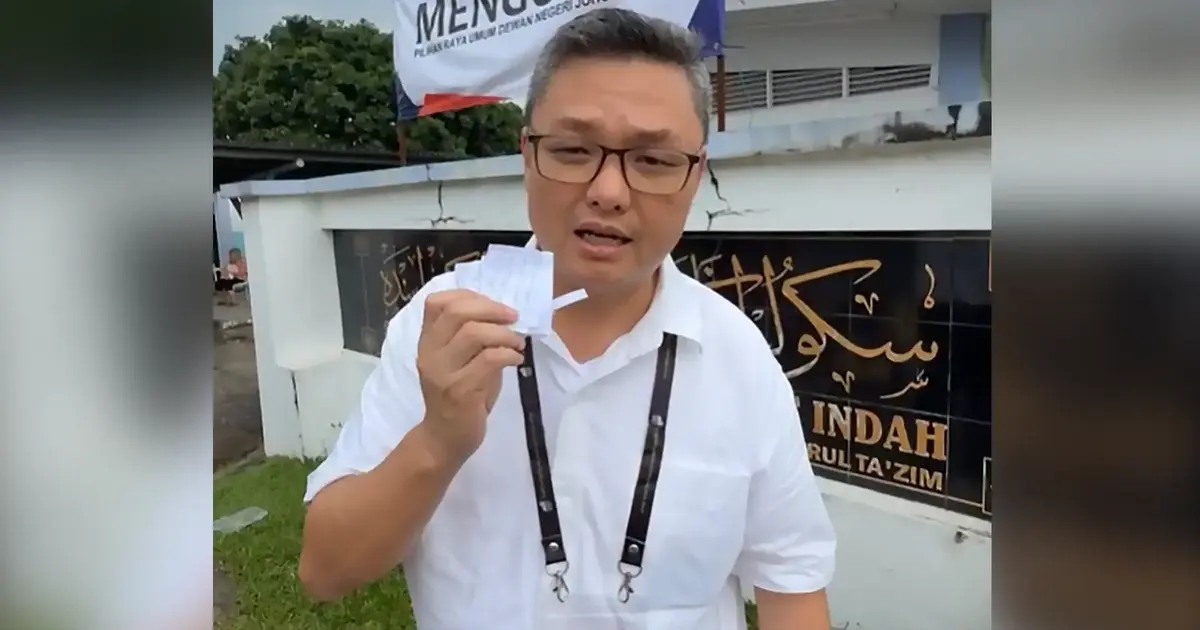
A senior Pakatan Harapan figure has escalated concerns about potential breaches of election protocols by lodging an official complaint with the Election Commission, asserting that a Barisan Nasional counting agent engaged in the improper documentation of how individual voters cast their ballots. The allegation, if substantiated, would represent a significant violation of voting secrecy principles that form the cornerstone of democratic electoral practice.
Tee Boon Tsong has detailed the assertion that the BN agent maintained handwritten records specifically correlating voter identities with their ballot selections during the counting process. Such documentation, if it occurred as alleged, would constitute a serious breach of electoral regulations designed to protect the confidentiality of the voting booth and prevent voter intimidation or coercion. The complaint underscores growing scrutiny of election administration procedures and the safeguards meant to guarantee that ballot casting remains a private exercise of democratic choice.
The complaint mechanism itself reflects the broader institutional framework through which Malaysia's Election Commission addresses allegations of procedural irregularities. These formal channels exist to investigate claims that may compromise the legitimacy of electoral outcomes or erode public confidence in the integrity of the voting process. The EC's investigative capacity and responsiveness to such allegations carry significant weight in determining whether electoral systems function transparently and fairly across the country.
Tee has specifically requested that the Election Commission confiscate the alleged handwritten notes as part of its formal investigation. This call for evidence preservation is procedurally sound, as physical documentation would constitute critical material for any enquiry into whether regulations were violated. The preservation of such materials prevents their destruction and ensures that any investigation operates on a factual evidentiary foundation rather than relying solely on witness testimony or reconstruction.
The allegation touches on a sensitive dimension of Malaysian electoral administration. The principle that voters should feel free to cast their ballots without external observation or documentation of their choices underpins democratic legitimacy. When citizens believe their voting decisions are being recorded or could be traced back to them personally, it fundamentally undermines the security and voluntariness that the secret ballot is designed to protect. This concern becomes particularly acute in contexts where voters might fear consequences for particular choices.
The timing and nature of such allegations also reflect the intensifying contestation around electoral processes in Malaysia's contemporary political landscape. Recent election cycles have witnessed increased scrutiny from multiple political actors of how votes are administered, counted, and recorded. Each allegation of impropriety, whether substantiated or not, contributes to the broader narrative about whether electoral institutions operate impartially and whether all stakeholders trust the systems governing democratic competition.
For Southeast Asian observers, this complaint carries relevance beyond Malaysia's borders. Electoral integrity forms a crucial foundation for democratic stability across the region. When allegations of breach emerge, they invite reflection on whether established safeguards are sufficiently robust and whether enforcement mechanisms work effectively. The Malaysian case thus provides a case study in how democratic systems address integrity concerns when they surface.
The Election Commission's response to this complaint will likely establish important precedents for how similar allegations are handled in future. The investigative approach taken, the standard of evidence demanded, and the remedies applied will signal to political actors and the general public how seriously such breaches are treated institutionally. A thorough and transparent investigation can reinforce public confidence that electoral processes remain protected by effective oversight, whilst a perfunctory response might deepen skepticism.
The role of counting agents from various parties reflects the participatory dimension of election administration in Malaysia. Parties are typically permitted to station observers during vote counting to monitor the process and ensure fairness. This mechanism exists to provide political actors with direct visibility into proceedings, theoretically creating multiple layers of scrutiny. However, when agents allegedly use their access to engage in unauthorised documentation practices, the system itself becomes compromised. The distinction between legitimate observation and improper recording becomes critical to maintaining the integrity of the observer system.
For voters themselves, allegations like these directly affect perceptions of whether they can safely express their electoral preferences. Trust in ballot secrecy is not merely procedural; it addresses fundamental anxieties about political retaliation, family pressure, or employment consequences that might follow from particular voting choices. When that trust erodes, participation patterns may shift, voter behaviour may become distorted, and the overall representative quality of electoral outcomes may be compromised.
The complaint filed by Tee Boon Tsong ultimately challenges the Election Commission to demonstrate that its regulatory framework is not merely theoretical but actively enforced when violations allegedly occur. The investigation's scope, duration, and conclusions will reveal whether systemic problems exist requiring broader procedural reforms or whether isolated incidents have been appropriately addressed through existing corrective mechanisms.

