Pakatan Harapan is viewing recent overtures from Barisan Nasional with cautious optimism, as Malaysia's two major political coalitions signal readiness to explore seat-sharing arrangements for the forthcoming Melaka state election. The development marks a potential shift in the political dynamics of the southern state, where coalition negotiations could reshape the electoral landscape and influence the trajectory of federal politics.
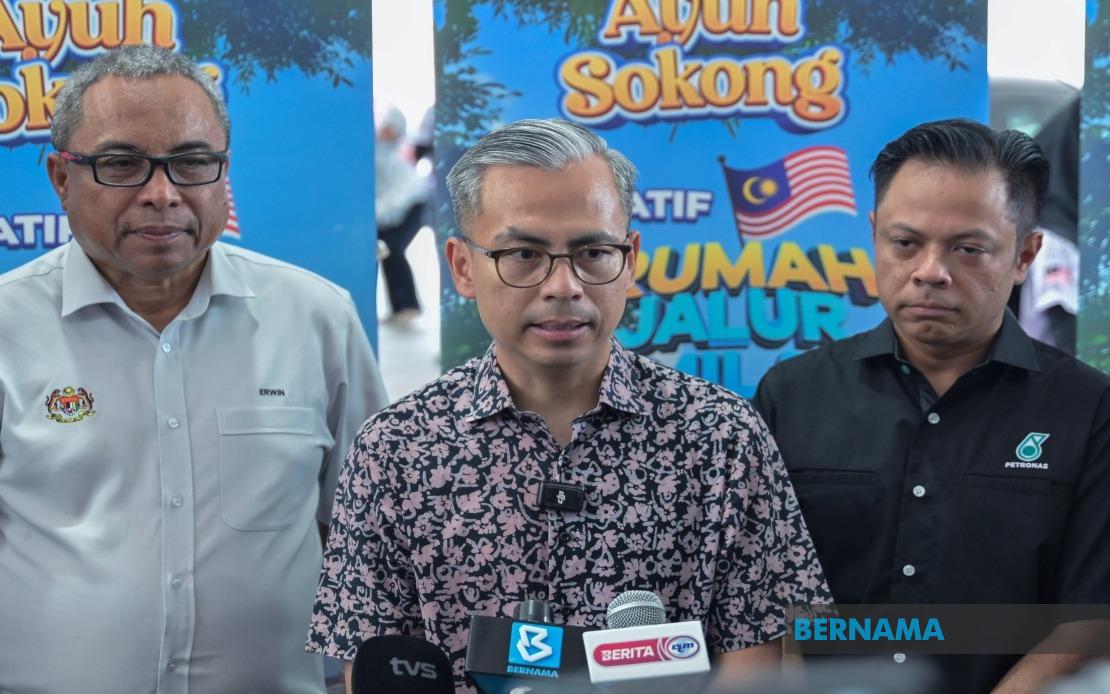
Datuk Seri Fahmi Fadzil, the PH communications director and federal Communications Minister, articulated his coalition's position following BN chairman Datuk Seri Dr Ahmad Zahid Hamidi's announcement yesterday that the coalition remained open to discussing seat distributions or exchanges. Fahmi characterised the willingness to negotiate as an opportunity deserving serious examination, one that carries implications not only for Melaka's political future but for the country's broader governance landscape. His comments reflect PH's strategic assessment that productive dialogue between the coalitions could serve the state's interests.
The numerical disparity between the two coalitions in Melaka provides the foundation for these negotiations. BN currently commands 21 of the state assembly seats, while PH holds five, establishing a baseline for any realistic discussion about seat allocations. This significant gap underscores why BN might be amenable to certain adjustments, particularly if it allows the coalition to strengthen its position against other political forces while maintaining its overall influence in the state. Fahmi's acknowledgment of these figures suggests PH enters such talks with clear-eyed pragmatism about the starting parameters.
Direct communication channels between the coalitions are already active. Keadilan Melaka chairman Yang Berhormat Adam Adli has engaged directly with Melaka Chief Minister Datuk Seri Ab Rauf Yusof to discuss the mechanics of seat distribution, indicating that exploratory talks have moved beyond preliminary soundings. This level of engagement suggests both sides view negotiations as sufficiently substantive to warrant high-level involvement, rather than treating such discussions as mere political theatre.
Ahmad Zahid has articulated clear boundaries for any negotiations, stipulating that discussions must proceed with honesty and sincerity while respecting each party's existing electoral wins. Crucially, he emphasised that seats already secured by individual parties cannot be simply transferred to coalition partners without consent, establishing a foundational principle that protects each coalition member's autonomy and electoral integrity. This stance reflects BN's internal dynamics, where member parties like UMNO, MCA, and MIC guard their separate mandates jealously and resist arrangements that diminish their independent standing.
Fahmi's indication that seat distribution matters could be managed at both state and federal levels introduces another layer of complexity to the negotiations. This multi-level approach suggests the discussions may encompass not merely which constituencies each coalition contests, but also the strategic allocation of resources, campaign support, and candidate placement across different geographic and demographic areas. Federal-level coordination could ensure consistency with broader coalition strategies while state-level flexibility allows for local political realities and community preferences.
The timing of these openings is significant within Malaysia's broader political context. Coalition arrangements in individual states increasingly influence federal political stability, as state election results can reshape the parliamentary balance of power and create ripple effects in federal governance. A successful negotiation in Melaka could serve as a template for managing coalition relations elsewhere, demonstrating that PH and BN can find common ground despite their fundamental competition for electoral dominance. Conversely, failed negotiations might harden positions and increase political tension ahead of the next general election.
For PH, any seat-sharing arrangement in Melaka represents both opportunity and constraint. Gaining additional contested seats could improve the coalition's tally in a state where it currently holds minimal representation, yet accepting certain seats in exchange—or allowing BN to contest others unopposed—requires strategic sacrifice. The coalition must weigh immediate electoral gains against the precedent such arrangements establish for future negotiations and the internal party dynamics that might result from perceived unfavourable terms.
BN's approach appears calculated to strengthen its position while demonstrating flexibility to potential federal coalition partners. By signalling openness to negotiation, Ahmad Zahid presents BN as a reasonable, coalition-ready force, countering perceptions of rigidity that have sometimes dogged the coalition. Such positioning becomes crucial if BN seeks to reassert federal relevance or negotiate a return to greater governmental power in coming years. Melaka thus becomes not merely a state-level electoral contest, but a testing ground for coalition cooperation models.
The discussions also reflect shifting voter dynamics in Melaka, where the electorate has demonstrated willingness to support diverse political coalitions across different electoral cycles. Both PH and BN recognise that strategic cooperation in certain constituencies might maximise their collective vote-winning potential against other competing forces. Melaka's electoral volatility makes it a state where coalition strategy can substantially influence outcomes, justifying the high-level engagement now underway.
Stakeholders across Malaysia's political spectrum will closely monitor how these negotiations progress. A successful seat-sharing arrangement would signal that Malaysia's competitive coalitions can find pragmatic common ground, potentially stabilising the political environment. Yet the complexity of managing internal party interests within both coalitions means that even detailed negotiations could falter over specifics. The coming weeks will prove crucial in determining whether initial openness translates into a concrete electoral arrangement or whether the coalitions revert to all-out competition.

