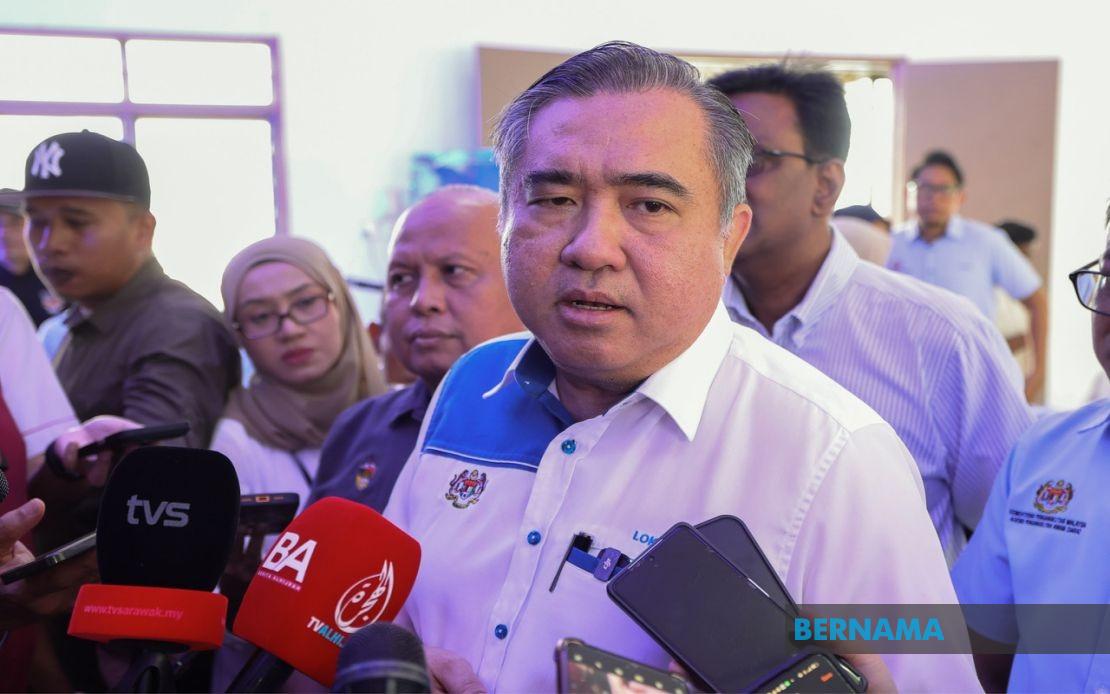
The opposition coalition Pakatan Harapan has formally acknowledged the outcome of the 16th Johor State Election, accepting the clear victory of Barisan Nasional in the July 11 polls as a legitimate expression of voter preference. PH deputy chairman Anthony Loke, speaking from Jelebu in Negeri Sembilan on July 12, emphasised that the coalition respects the democratic mandate bestowed by Johor's electorate, despite acknowledging the result as a setback for the bloc's broader political aspirations in the country's second-largest state.
The PH coalition managed to retain eight of the 56 state seats that were contested, a performance Loke characterised as a modest achievement given the prevailing political winds favouring the incumbent state government. More significantly, the DAP component of PH successfully defended six of the ten seats it had won in the previous state election, demonstrating what Loke described as sustained support in urban constituencies where the party has traditionally been competitive. The defensive performance in these six constituencies was particularly notable, with each recording victory margins exceeding fifty percent, a metric Loke highlighted as evidence of a resilient voter base despite the coalition's failure to make headway elsewhere.
Barisan Nasional's dominance in the Johor election was unambiguous, with the ruling coalition capturing 48 of 56 available seats and securing the two-thirds supermajority that typically signals a decisive mandate. Loke offered a structural explanation for PH's poor overall performance, attributing part of the vote transfer to the ballot format employed in the election. The shift from three-cornered contests to straight fights between two candidates appeared to fragment the opposition vote in ways that disproportionately benefited BN, allowing the ruling coalition to accumulate seat gains despite what may have been incremental increases in vote share. This technical analysis suggests that tactical considerations around candidate positioning and electoral engineering played a meaningful role in determining outcomes beyond raw voter preference shifts.
However, Loke and other PH leaders cautioned against extrapolating the Johor results as a comprehensive indicator of shifting political sentiment across Malaysia. Different states, he noted, operate within distinct political ecosystems shaped by local issues, incumbent performance records, and region-specific dynamics that do not necessarily translate across state boundaries. This framing allows PH to insulate itself from the worst interpretations of the Johor loss while preparing the ground for a more optimistic narrative surrounding the Negeri Sembilan contest.
Negeri Sembilan presents a fundamentally different political scenario for the coalition, since PH currently governs the state as the incumbent administration. In the previous state election, PH secured 17 seats compared to BN's fourteen, providing the ruling coalition with a working majority and what Loke characterised as a sound foundation upon which to build a defensive campaign. The party leadership has evidently concluded that possession of state power, combined with the ability to direct government resources and highlight development achievements, offers advantages that may counterbalance some of the momentum BN appears to enjoy nationally.
The coalition's strategy going forward emphasises consolidation over expansion, though senior leaders have not entirely abandoned ambitions to increase PH's seat count. Loke explicitly called upon all party candidates and machinery to prioritise the retention of existing seats while simultaneously exploring opportunities to capture additional constituencies where political conditions might be favourable. This dual-track approach reflects the typical tension within opposition coalitions between realistic assessments of political headwinds and the organisational and psychological need to project confidence and growth.
Loke's remarks were made during an event launching the Land Public Transport Agency's Kampung Angkat MADANI programme in Kampung Chennah, allowing him to combine political messaging with the projection of government activity and service delivery. As both DAP secretary-general and the assemblyman representing Chennah, Loke occupies a position that bridges party apparatus and state governance, lending weight to his pronouncements on both electoral strategy and administrative performance. His willingness to campaign in Negeri Sembilan immediately following the Johor result suggests PH intends to move swiftly to capitalise on any narrative advantages before the Negeri Sembilan election campaign formally commences.
The broader context for PH's Negeri Sembilan focus involves the coalition's need to demonstrate governance competence and retain at least some state-level power bases as it seeks to rebuild political credibility following the Johor loss. Control of Negeri Sembilan would provide a counter-narrative to the Johor outcome, suggesting that PH remains capable of winning and retaining electoral support in at least some jurisdictions. For the coalition's component parties, particularly DAP and PKR, state governments serve as platforms for cultivating political talent, demonstrating policy competence, and maintaining party infrastructure in regions where federal influence may be limited.
The Johor election outcome will likely reverberate through Malaysian politics for months ahead, influencing perceptions of momentum and viability among both voters and party activists. For PH, the challenge involves managing internal morale while recalibrating expectations and focusing resources on winnable battlegrounds. The Negeri Sembilan election thus assumes significance beyond its immediate implications for a single state, potentially functioning as a barometer for whether PH can stabilise its political position or faces a more extended period of decline in electoral fortunes.

