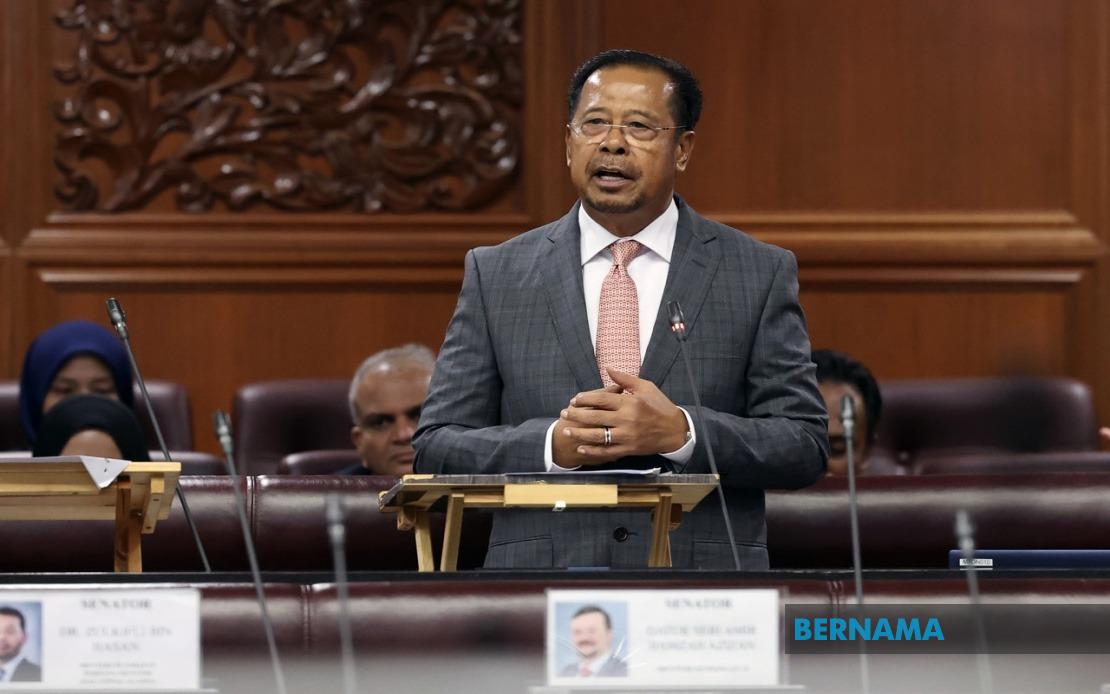
Malaysia is taking a structured approach to address industrial water consumption through a comprehensive 12-month policy development initiative. The Ministry of Energy Transition and Water Transformation announced that it will undertake an extensive study to establish the framework for the Industrial Water Reclamation Policy, a move designed to enhance the nation's long-term water security and resource management. According to Deputy Minister Datuk Seri Abdul Rahman Mohamad, the initiative represents a deliberate government commitment to shifting how Malaysian industries approach water usage and sustainability.
The proposed policy framework will serve multiple industrial sectors whose operations depend significantly on water availability. Priority industries identified in the study include food and beverage manufacturers, semiconductor production facilities, data centres, and public cleaning services. These sectors represent substantial water consumers in Malaysia's economy, and their operational efficiency directly impacts both corporate profitability and national water availability. By developing targeted guidance for these industries, the government aims to create a coordinated approach that balances industrial growth with environmental stewardship and resource preservation.
Reclaimed water represents a critical alternative source for industrial applications that do not demand potable water standards. Rather than consuming treated drinking water for cooling systems, processing, or other non-potable uses, industries can redirect reclaimed water from wastewater treatment facilities to their operations. This fundamental shift in water sourcing reduces pressure on the nation's primary freshwater reserves while creating a secondary supply network. The policy development reflects growing international recognition that water reclamation represents an essential component of modern water security strategy, particularly in densely populated regions facing seasonal variability in precipitation.
The government's strategic direction aligns with broader objectives to strengthen national water supply resilience through more thoughtful and conservation-focused resource administration. Malaysia's water infrastructure has faced periodic challenges during dry seasons, and industrial water demand constitutes a significant portion of total consumption. By encouraging systematic adoption of reclaimed water in appropriate industrial contexts, policymakers aim to create buffer capacity within the broader water supply system. This approach acknowledges that sustainable development requires not only securing new water sources but optimizing existing resources through efficient allocation and reuse mechanisms.
The research component of this initiative encompasses multiple analytical dimensions to ensure policy robustness. Technical analysis will examine engineering requirements, treatment standards, distribution networks, and integration possibilities with existing water infrastructure. Legal analysis will clarify regulatory authority, liability frameworks, and compliance mechanisms across federal and state jurisdictions. Financial and economic assessment will model implementation costs, identify funding mechanisms, and calculate return on investment for participating industries. Infrastructure evaluation will determine what additional facilities, treatment plants, and conveyance systems require development to support widespread reclaimed water adoption. Complementing these technical components, the study will establish quality control standards and monitoring protocols to ensure reclaimed water consistently meets safety specifications for industrial applications.
Successful policy implementation depends on securing alignment among multiple government levels and stakeholder categories. State governments hold constitutional authority over water resource management within their territories, necessitating genuine collaboration rather than top-down imposition. Water operators managing treatment and distribution infrastructure must understand technical requirements and operational implications. Indah Water Konsortium, which operates the nation's largest wastewater treatment network, possesses critical technical expertise and operational capacity. Industry players themselves must buy into the policy framework, recognizing competitive advantages from reduced water costs and improved supply security. The ministry has initiated structured engagement sessions with each stakeholder group to build consensus and address concerns early in the development process.
Data centre and semiconductor industries merit particular attention within this policy framework given their rapid expansion and substantial water consumption. Malaysia has invested significantly in attracting technology manufacturing and data processing operations, viewing these sectors as drivers of economic diversification and high-value employment. However, these industries' water intensity creates operational vulnerabilities during supply constraints. By establishing reliable reclaimed water supplies, Malaysia can enhance the operating environment for existing facilities while strengthening competitive positioning for attracting future investments. Regional competitors including Singapore and Thailand have already implemented water reclamation strategies, and Malaysian policy development positions the nation competitively within the Southeast Asian technology ecosystem.
The food and beverage manufacturing sector represents another crucial policy target given both its economic importance and significant water requirements. Processing facilities require substantial volumes of water for cleaning, product formulation, and steam generation. Reclaimed water protocols appropriate for food industry applications will require rigorous safety standards exceeding general industrial specifications. The policy development process must therefore incorporate food safety expertise and regulatory coordination with health authorities to establish standards that protect consumer safety while enabling industrial adoption. Successfully implementing reclaimed water systems in food manufacturing would demonstrate policy effectiveness while creating flagship examples that encourage adoption across other industrial categories.
Public cleaning services, though smaller in consumption volume compared to manufacturing, offer valuable demonstration opportunities for reclaimed water systems. Municipal authorities and private cleaning contractors could adopt reclaimed water for street cleaning, park maintenance, and public facility operations. These applications involve minimal contamination risks compared to potable water applications, yet generate visible public examples of reclamation benefits. Establishing effective public cleaning protocols creates opportunities for citizen education about water reuse and sustainability, building social acceptance for broader reclamation initiatives. Successfully implemented public sector reclamation programs also generate operational data and cost information that inform private sector adoption decisions.
The 12-month timeline provides adequate duration for comprehensive analysis while maintaining policy development momentum. International best practices from established reclamation regimes in Australia, Singapore, and Middle Eastern nations offer valuable lessons regarding technical standards, regulatory frameworks, and implementation sequencing. The Malaysian study can accelerate development by building on existing knowledge rather than initiating research entirely from first principles. However, local conditions including climate patterns, existing water infrastructure configuration, and industrial distribution across geographical regions require original analysis. The timeframe allows researchers to conduct this localized assessment while completing necessary stakeholder consultation and consensus-building.
Successful policy adoption will require clear communication of benefits to skeptical audiences. Industrial leaders may worry about additional compliance costs and operational complexity. Citizens may harbour unfounded concerns about reclaimed water quality or safety. Government must transparently present technical evidence, safety data, and cost-benefit analyses to address these concerns proactively. Public education campaigns can highlight how reclamation supports water security during dry seasons, reduces strain on natural water sources, and supports industry competitiveness. By framing reclamation as a shared responsibility and mutual benefit rather than regulatory burden, policymakers can build political and social support for implementation.
Regional implications extend beyond Malaysia's borders as Southeast Asian nations face intensifying water security challenges. Population growth, agricultural expansion, and industrial development create mounting pressure on limited freshwater resources across the region. Malaysian policy development and implementation experience can serve as reference model for neighbouring countries considering similar initiatives. Successful execution of the Industrial Water Reclamation Policy would position Malaysia as regional leader in sustainable water management, potentially creating opportunities for technology exports, consulting services, and policy dialogue leadership. The study thus carries significance extending well beyond immediate domestic water security to encompass Malaysia's role in addressing a defining Southeast Asian sustainability challenge.

