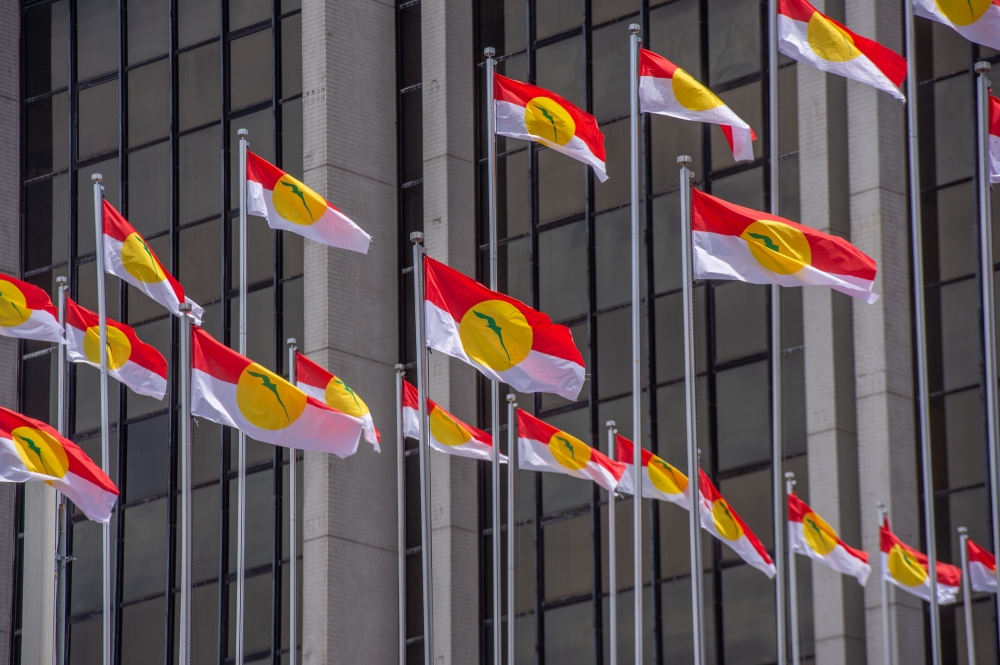
The Perlis chapter of the United Malays National Organisation is making substantial preparations to field candidates across the entire spectrum of electoral contests in the state, signalling a decisive move toward an independent electoral strategy. Party machinery in the northern Malaysian state is being activated to cover all 15 state assembly constituencies alongside the three parliamentary seats that fall within Perlis boundaries, representing a departure from the collaborative approach that has traditionally characterised Barisan Nasional politics in the region.
This organisational push reflects broader strategic recalibrations within UMNO as the party navigates the complex landscape of Malaysian politics following major electoral setbacks and internal restructuring at the national level. The decision to prepare for a comprehensive solo campaign demonstrates confidence in the party's grassroots capabilities in Perlis, where UMNO has maintained relatively strong traditional support bases despite the volatility affecting the coalition nationally.
The timing of this preparation carries significance within the broader context of Malaysian electoral cycles. State elections in Perlis have traditionally been influenced by federal political developments, and the party's current positioning suggests internal assessments that a unified UMNO slate may resonate more effectively with voters than a fractured coalition approach. The move also reflects calculations about seat allocation and power-sharing arrangements that have periodically complicated Barisan Nasional coordination in smaller states.
Perlis, as Malaysia's smallest state by population, occupies a unique position in the national political narrative. Its three parliamentary constituencies—Kangar, Arau, and Padang Besar—feed into federal representation, while the state assembly elections determine local governance. The convergence of these electoral contests provides UMNO with an opportunity to present a unified message and campaign infrastructure, potentially enhancing party visibility and voter mobilisation efficiency across both tiers.
The organisational preparations underway represent substantial logistical commitments. Candidate selection processes, campaign resource allocation, and coordination across constituency-level machinery require meticulous planning and financial commitment. Such comprehensive preparations suggest that party leadership has conducted internal assessments confirming the feasibility of fielding competitive candidates across all 18 positions, a requirement that demands substantial talent pool and organisational depth.
Historically, Perlis politics has been characterised by relatively stable UMNO dominance, though recent electoral trends have introduced uncertainties across the entire Barisan Nasional coalition. The party's decision to pursue a solo strategy may reflect confidence that traditional voter segments remain responsive to UMNO messaging, particularly in constituencies with established community networks and party penetration. However, it also suggests that coalition partners—previously including parties such as MCA and MIC—may be perceived as electoral liabilities rather than assets in the state context.
The broader implications for Malaysian coalition politics warrant consideration. UMNO's strategic repositioning in Perlis aligns with national-level discussions about the future architecture of Barisan Nasional and its electoral competitiveness. Smaller states often serve as testing grounds for new political strategies before broader implementation, making Perlis developments potentially indicative of UMNO's thinking in other regions.
For Southeast Asian observers monitoring Malaysian political developments, this move underscores the ongoing fragmentation and recalibration within once-dominant coalition structures across the region. Thailand, Indonesia, and the Philippines have witnessed similar dynamics where formerly hegemonic political blocs splinter and reorganise in response to electoral pressures and internal contradictions. Malaysia's Barisan Nasional experiences reflect comparable regional patterns of coalition instability and the search for new electoral configurations.
The preparation phase currently underway will determine the strength and coherence of UMNO's campaign apparatus when elections are called. Party officials have likely commenced stakeholder consultations, conducted internal surveys to identify viable candidates, and begun preliminary messaging development targeting key constituencies. These foundational activities establish the platform upon which campaign intensity will be constructed as election timing crystallises.
Critical questions remain regarding how voters will respond to a consolidated UMNO campaign after experiencing coalition-based politics for decades. Perlis residents accustomed to voting for coalition partners representing different communities may exhibit distinct voting patterns when presented with exclusively UMNO candidates. This electoral behaviour shift, if it occurs, could provide valuable data for UMNO's national strategic planners evaluating coalition viability across other state contexts.
The financial dimensions of contesting 18 seats independently merit attention. Campaign expenses, candidate support systems, and advertising across multiple constituencies require substantial funding. UMNO's current financial position, affected by previous scandals and legal proceedings against senior party figures, shapes the resources available for this comprehensive state-level campaign. Whether adequate funding materialises will ultimately determine campaign intensity and competitiveness.
Electoral momentum and timing considerations influence this strategic decision as well. The party appears to be calculating that the current political environment favours a unified UMNO presentation rather than waiting for extended coalition negotiations that might delay campaign commencement or introduce coordination complications. This reflects lessons learned from previous electoral cycles where coalition management complexities created tactical disadvantages.
Ultimately, Perlis UMNO's preparation to contest all available seats independently represents a significant marker in Malaysian coalition politics. Whether this strategy translates into electoral success will shape discussions about the viability of reconstituted Barisan Nasional configurations across other states and at the federal level, making the northern state's upcoming contest consequential for national political trajectory.

