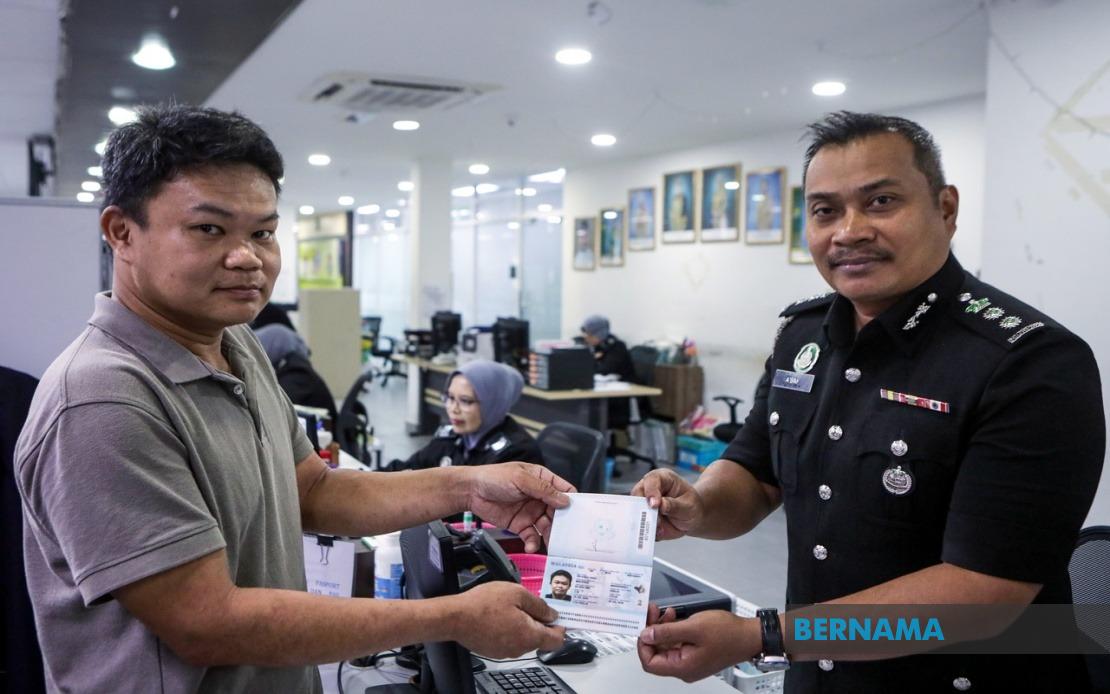
The Perlis Immigration Department has begun distributing the new Malaysian International Passport, marking a significant step in enhancing the nation's travel document security infrastructure. The rollout commenced on July 20 at the Kangar Urban Transformation Centre following the successful installation of a dedicated passport printing machine earlier in the month. This development reflects the government's commitment to modernizing Malaysia's immigration systems while safeguarding citizens' travel credentials against increasingly sophisticated counterfeiting techniques.
The new travel document incorporates 94 distinct security features designed to prevent fraud and forgery. Perlis Immigration director Mohammad A'sim Md Ali emphasised during a press conference that the advanced specifications represent a substantial upgrade from previous iterations. Initially, the Kangar UTC Immigration Office serves as the sole distribution point for the new passports in the state. However, expansion plans are already underway to broaden accessibility across Perlis's immigration infrastructure.
The department anticipates establishing a second printing facility at the Perlis Ministry of Home Affairs Complex, contingent upon the completion of ongoing building renovations and service counter upgrades. Mohammad A'sim indicated that this transition should occur by October, effectively doubling the state's capacity to process and issue the new documents. The phased approach reflects practical considerations regarding infrastructure readiness while ensuring quality control standards are maintained during the expansion phase.
Prime Minister Datuk Seri Anwar Ibrahim officially unveiled the new Malaysian International Passport on June 30, positioning it as a cornerstone initiative in strengthening national security frameworks. Public application windows commenced on July 1, opening eligibility to Malaysian citizens aged 18 and above. A key innovation involves offering applicants flexibility in selecting passport validity periods, with options for either five-year or ten-year validity spans. This choice allows citizens to align their travel documents with personal circumstances and anticipated travel patterns.
Initial response in Perlis has been notably positive, with substantial demand evident on the first day of implementation. The enthusiasm suggests genuine public appreciation for enhanced security features and the modernized application process. Between January 1 and July 17, Perlis Immigration processed 31,722 travel documents across multiple categories. This volume comprised 6,918 conventional passports, 72 Restricted Travel Documents for individuals with specific constraints, and 24,732 Border Passes facilitating cross-border movement.
The new passport initiative carries particular relevance for Malaysian travellers navigating increasingly stringent international security protocols. Many countries now employ advanced document authentication technologies at border crossings. The enhanced security architecture embedded within the new Malaysian passport improves recognition by international scanning systems, potentially streamlining customs procedures at airports and land borders across Asia and beyond. This technical compatibility reduces processing delays and enhances traveller convenience on international routes.
From a regional perspective, Malaysia's modernized passport system positions the country alongside other Southeast Asian economies upgrading their immigration infrastructure. Neighbouring nations including Singapore, Thailand, and Indonesia have previously introduced biometric and enhanced-security travel documents. Malaysia's implementation demonstrates commitment to maintaining competitive standards within ASEAN frameworks and ensuring reciprocal recognition among member states' immigration authorities.
The inclusion of sophisticated anti-counterfeiting measures addresses mounting concerns regarding identity fraud and document-related criminal activities. Organised networks have increasingly targeted travel documents as valuable commodities for facilitating illegal movement across borders. The 94 integrated security features create substantial barriers to unauthorised replication, protecting not only individual citizens but contributing to broader national security objectives by preventing exploitation of Malaysian travel credentials for illicit purposes.
For Malaysian business professionals and frequent travellers, the extended ten-year validity option represents considerable convenience and cost savings. Previously, passport renewal cycles required periodic government engagement and financial outlay. The longer validity period reduces administrative burden, particularly beneficial for executives managing international portfolios across multiple countries. Students undertaking overseas education, expatriate workers, and tourism-sector professionals similarly benefit from extended validity periods minimising renewal requirements during critical professional phases.
The Perlis department's successful implementation provides valuable operational insights for other state immigration offices preparing for eventual nationwide rollout. Standard procedures, public communication strategies, and technical protocols developed in Perlis will likely inform implementation frameworks across remaining states. This gradual, regionally-phased approach allows identification and resolution of operational challenges before nationwide scaling, ensuring consistency and quality across all distribution points.
Looking forward, complete national implementation will substantially enhance Malaysia's immigration administration capabilities. The unified security standard across all new passports strengthens international cooperation frameworks, as foreign immigration authorities can confidently authenticate documents employing standardised security specifications. This interoperability facilitates smoother travel experiences and reduces suspicion or delays at international checkpoints, ultimately enhancing Malaysia's appeal as a travel destination and professional hub.
Citizens planning international travel should note the application requirements and validity options now available. Those currently holding older-generation passports remain unaffected during remaining validity periods, but renewal applications will automatically process through the new issuance system. The transition represents an investment in citizens' security and convenience, reflecting broader governmental modernization initiatives across Malaysia's public service infrastructure.

