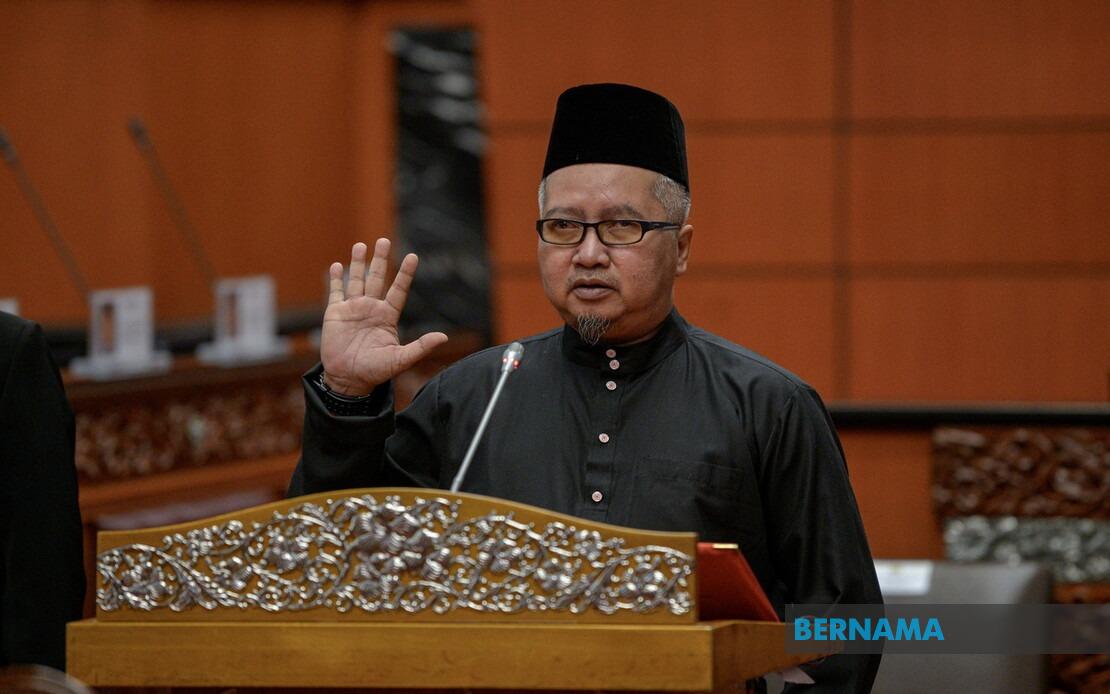
Senator Azahar Hassan, secretary of Perlis Parti Pribumi Bersatu Malaysia, announced his resignation from the party and all associated positions on Wednesday, effective immediately. The decision marks another significant departure within Bersatu's state wing, a development that underscores the ongoing internal pressures facing Prime Minister Anwar Ibrahim's party as it navigates its coalition responsibilities and factional tensions.
Azahar's departure was communicated through a formal statement released in Kangar, the Perlis state capital. He explained that the resignation followed careful deliberation on his part, combined with a thorough assessment of recent political developments. His characterization of the decision as stemming from deeply held principles suggests the resignation was not made lightly or under pressure from party leadership, but rather reflects a fundamental reassessment of his alignment with Bersatu's current direction and priorities.
The outgoing secretary emphasised that his decision to step back from Bersatu was rooted in personal conviction about the path forward. He cited his commitment to pursuing a struggle aligned with his own ideological positioning and values, indicating that his vision for political engagement no longer corresponds with the party's present trajectory. This rationale suggests deeper philosophical differences rather than merely procedural or administrative disagreements, which could carry implications for Bersatu's coherence in managing diverse viewpoints within its membership.
Despite severing ties with Bersatu's organisational structure, Azahar has committed to maintaining his public service obligations. He will retain his position in the Dewan Negara, where he continues to represent Perlis constituents' interests at the federal legislative level. This distinction between party membership and parliamentary duty demonstrates a careful separation of his personal political convictions from his responsibility to serve the broader public interest, a distinction that will allow him to operate independently while fulfilling his senatorial mandate.
Azahar's appointment as Senator occurred relatively recently, with the Perlis State Legislative Assembly conferring the position upon him on October 10, 2024. The short tenure between his Senate appointment and party resignation raises questions about whether circumstances evolved significantly during this period, or whether his reservations about Bersatu's direction had been crystallising before his entry into the upper house. The timing suggests that his senatorial role may have provided him with clearer insight into party dynamics or national political developments that prompted his reassessment.
The resignation adds to a pattern of exits and shifts within Bersatu at the state level, reflecting broader challenges the party faces in maintaining member loyalty and unity of purpose. Perlis, a smaller state with limited political infrastructure compared to peninsular powerhouses, represents strategically important ground for Bersatu as it seeks to consolidate its presence across Malaysia. Leadership departures in such contexts can disproportionately affect party organisational capacity and member morale.
Bersatu has faced recurring internal strains since its establishment, compounded by its merger into the Pakatan Harapan coalition and subsequent shifts in national political alliances. The party's role as part of the federal governing coalition places it under constant scrutiny regarding policy implementation and alliance management. Members such as Azahar may find that their political principles clash with the compromises necessary to maintain coalition stability or implement contentious federal policies.
Azahar's exit also reflects the complex calculus that political figures navigate when weighing party loyalty against personal principles. His choice to remain in the Dewan Negara while departing Bersatu suggests he believes he can serve Perlis effectively without party affiliation, or potentially as an independent voice that maintains greater flexibility on legislative matters. This positioning may appeal to voters who value representatives willing to defy party whips on matters of conscience.
The broader significance of this resignation extends to how Bersatu manages such departures publicly and internally. Party leadership will need to address not only Azahar's specific reasons for leaving but also any systemic issues that prompted his decision. Whether his concerns are idiosyncratic or reflect wider unease among Bersatu members in Perlis will influence how damaging this departure proves to party cohesion in the state and nationally.
Looking forward, Azahar's path beyond Bersatu remains undefined. Former party members in Malaysian politics have pursued various trajectories, from joining rival coalitions to remaining as independent parliamentarians. His decision to maintain his senatorial duties while leaving the party apparatus suggests he may pursue an independent course, though his ultimate alignment could shift depending on legislative dynamics and policy priorities that emerge.
For Malaysian observers, the resignation underscores the fluid nature of political affiliations at both state and federal levels. While Bersatu seeks to consolidate its position as an integral component of Malaysia's ruling coalition, individual members like Azahar demonstrate that party membership remains contingent upon alignment of values and vision. Such exits, though often portrayed as minor administrative changes, reflect deeper negotiations between personal conviction and organisational demands that characterise Malaysian politics.

