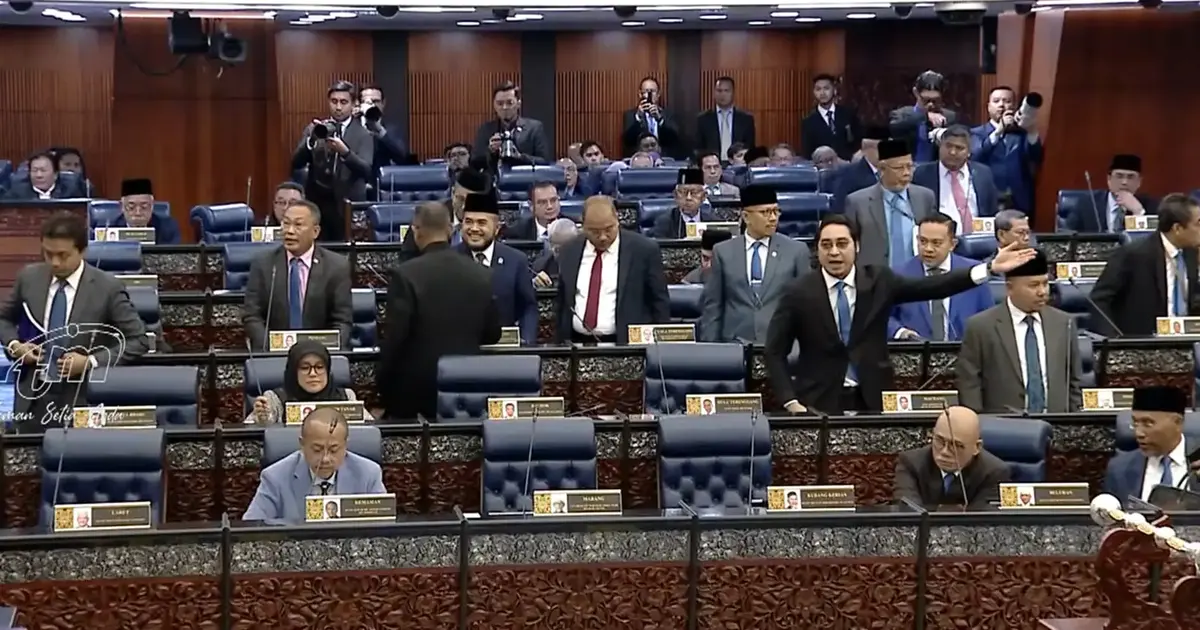
A significant parliamentary standoff unfolded when Perikatan Nasional lawmakers staged a coordinated walkout after the speaker of the Dewan Rakyat declined to postpone a specially convened sitting. The opposition coalition, which commands substantial numbers in the lower house, viewed the timing of the session as problematic given the absence of Prime Minister Anwar Ibrahim from the chamber during scheduled debates and votes. This confrontation highlights mounting tensions between the ruling administration and the PN bloc, reflecting broader friction over parliamentary procedure and the opposition's ability to challenge government priorities.
The core grievance from PN centred on procedural grounds: the coalition contended that a special sitting of this significance warranted the prime minister's physical presence throughout proceedings. Such an argument, while seemingly technical, carries substantial political weight in the Malaysian context, where the prime minister's attendance at parliamentary sessions carries both ceremonial and substantive importance. The presence or absence of the head of government can influence how backbenchers interpret government commitment to particular legislative agendas, and opposition parties frequently use this dynamic to score political points.
The speaker's refusal to grant the postponement request represents a firm assertion of the chair's authority to manage parliamentary scheduling according to established Standing Orders. Speakers in Westminster-style systems hold considerable discretion over session timing, and the decision to proceed despite objections underscores the government's determination to maintain control over the parliamentary calendar. This reflects a broader pattern in Malaysian politics where controlling the legislative agenda has become increasingly contentious as coalition politics have fragmented.
A notable twist emerged in the composition of the walkout itself. While the bulk of PN MPs participated in the mass departure from the chamber, Bersatu—the party within the PN coalition that is currently supporting the Anwar administration through confidence-and-supply arrangements—conspicuously refrained from joining the protest. This fracture within PN demonstrates the complex realignment of Malaysian politics, where ostensible coalition partners maintain sufficiently divergent interests to pursue independent parliamentary strategies. Bersatu's decision to remain in the chamber suggests the party is carefully calibrating its relationship with PN while managing its separate understanding with the government.
The incident underscores persistent vulnerabilities in Malaysia's coalition-based governance model. Unlike systems with traditional government-opposition binaries, the current arrangement involves multiple political blocs with fluid allegiances. PN itself comprises parties from different ideological and ethnic backgrounds, while the government depends on various confidence-and-supply arrangements with smaller parties to maintain its parliamentary majority. This fragmentation creates opportunities for procedural disputes to acquire outsized political significance.
For Malaysian parliamentary watchers, the walkout illustrates how opposition parties are increasingly weaponizing procedural mechanisms to challenge government control. Rather than relying solely on substantive debates or legislative amendments, PN's protest focused on the timing and format of parliamentary business itself. This reflects international trends where parliamentary procedure has become a genuine battleground between ruling and opposing coalitions.
The broader implications ripple through Southeast Asia's democratic systems. Malaysia's experience demonstrates how Westminster institutions can accommodate considerable political turbulence while remaining functional. The speaker's decision to proceed despite the walkout suggests institutional resilience, yet the fracturing of opposition unity—evidenced by Bersatu's absence from the protest—raises questions about whether PN can maintain sufficient coherence to present a credible alternative to the current administration.
For ordinary Malaysians, such parliamentary theatre often appears disconnected from pressing concerns around cost of living, employment, and public services. However, these procedural battles ultimately determine which policies reach the legislative stage and how efficiently government operates. A parliament consumed by disputes over sitting schedules is a parliament less focused on scrutinising ministerial performance and holding the executive accountable on substantive matters.
The episode also reflects evolving strategies within PN itself. The coalition has struggled to present unified messaging since several of its component parties shifted positions on supporting the government. The walkout represents an attempt to reassert collective opposition identity, yet Bersatu's non-participation reveals the limits of that unity. Moving forward, PN faces pressure to either strengthen internal discipline or risk appearing as a collection of rival factions rather than a coherent political force.
Looking ahead, such confrontations are likely to recur as parliament convenes for additional special sittings addressing government priorities. The speaker's authority to override opposition requests for postponement has now been tested and affirmed, establishing precedent for future scheduling disputes. However, the underlying tensions driving these conflicts—competition for control of the legislative agenda, concerns over procedural fairness, and the fragility of coalition arrangements—remain unresolved.

