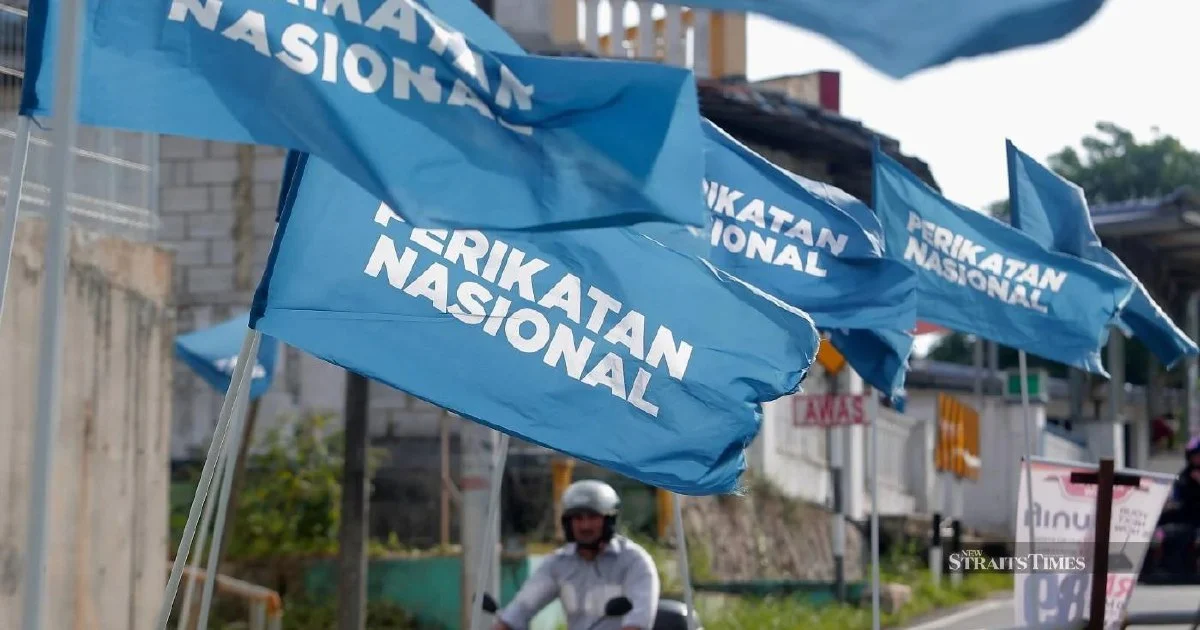
Perikatan Nasional appears determined to keep Bersatu firmly within its coalition ranks as the opposition bloc navigates the approach of critical state elections in Johor and Negri Sembilan, according to political analysts tracking developments within the opposition alliance.
The timing of these electoral contests makes internal party management particularly sensitive for PN leadership. Any visible fracture between the coalition's major components could undermine voter confidence and hand strategic advantages to rival political forces already mobilising in these state contests. Analysts view the maintenance of unity as a calculated political necessity rather than a sign of smooth internal relations, suggesting that beneath surface appearances, tensions may simmer quietly.
Johor and Negri Sembilan have historically served as important political battlegrounds, with results often carrying implications beyond state-level governance. For PN, which has worked to rebuild electoral credibility following setbacks in recent political cycles, demonstrating a cohesive opposition presence carries significant strategic weight. A splintered or visibly dysfunctional coalition would provide government-aligned parties with powerful messaging tools, allowing them to portray the opposition as unstable and incapable of governing effectively.
Bersatu's position within the PN framework has been subject to intermittent scrutiny, with questions periodically arising about the party's strategic alignment and long-term commitment to the broader opposition project. Yet observers note that splitting now—just as voters in two significant states prepare to cast ballots—would be politically self-destructive for both the smaller party and the larger coalition. Any defection or dramatic rupture would almost certainly result in electoral punishment.
The electoral calendars in Johor and Negri Sembilan create what analysts describe as a window during which PN stakeholders face powerful incentives to suppress internal disagreements and present a unified front. This does not necessarily mean underlying strategic differences have been resolved; rather, it suggests that both PN and Bersatu have calculated that their respective interests are better served through continued partnership during this critical period.
Political observers emphasise that coalition management in Malaysia's multi-party environment requires constant calibration. Parties must balance their individual organisational interests with their collective electoral viability. When major political contests loom, this tension typically favours short-term unity, as individual grievances take second place to the shared objective of maximising seats and parliamentary influence.
For Bersatu specifically, remaining integrated within PN offers tangible benefits. As part of the broader opposition alliance, the party gains access to PN's organisational apparatus, voter outreach networks, and strategic resources. Leaving or being expelled would reduce Bersatu's influence and electoral reach, particularly in constituencies where PN's coordination gives it competitive advantages against government-backed candidates.
Conversely, PN leadership recognises that losing Bersatu would diminish the coalition's parliamentary representation and reduce its capacity to challenge government proposals effectively. In Malaysian politics, where parliamentary arithmetic frequently determines policy outcomes, losing coalition partners directly translates into reduced legislative leverage.
Analysts suggest that PN and Bersatu will likely maintain their formal alliance structure through the Johor and Negri Sembilan elections and possibly beyond, assuming election results meet leadership expectations. The coalition's behaviour in these contests will provide crucial data about its electoral viability and appeal to voters dissatisfied with the current government.
The broader strategic context matters considerably. Malaysia's political landscape has shifted substantially in recent years, with voters demonstrating volatility and willingness to switch allegiances when dissatisfied. For opposition parties, this environment demands maximum unity and coherence, as fractionalisation typically benefits incumbent governments by presenting voters with an unconvincing opposition alternative.
Moving forward, observers expect PN to prioritise public displays of coalition harmony while managing inevitable internal disagreements through quieter channels. Such an approach preserves the coalition's electoral credibility while allowing constituent parties space to pursue individual organisational interests without openly challenging the broader alliance. This pragmatic balance typically persists until after electoral contests conclude and parties reassess their strategic positioning based on new results and shifting political circumstances.
The elections in Johor and Negri Sembilan will themselves generate fresh political momentum and may either strengthen PN's coalition coherence or create openings for renewed internal tensions. For now, however, analysts expect the opposition alliance to maintain sufficient unity to contest these elections with maximum force.