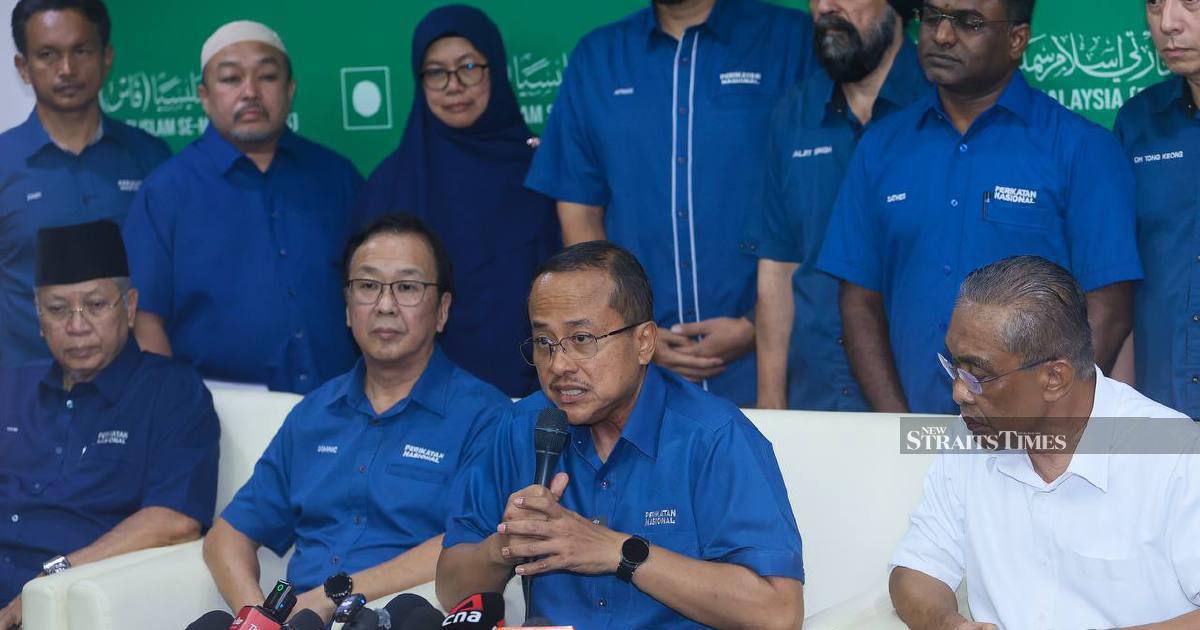
Perikatan Nasional has formally welcomed two additional political parties into its ranks following an unscheduled emergency Supreme Council gathering in Kuala Lumpur, according to PN chairman Datuk Seri Dr Ahmad Samsuri Mokhtar. The decision marks another phase in the coalition's consolidation efforts as it seeks to broaden its political base, though the expansion carries implications for coalition dynamics and internal governance that extend beyond mere membership numbers.
The timing of the emergency convocation itself suggests internal pressures or strategic recalibration within the PN leadership structure. Such meetings are typically convened when urgent matters demand swift resolution, and the acceptance of new parties signals that the coalition leadership views expansion as a priority worth addressing outside the normal scheduled meeting calendar. This urgency underscores how competitive Malaysia's political landscape has become, with coalitions constantly jockeying to strengthen their organisational footprint and electoral capacity ahead of potential contests at federal or state levels.
While the admission of new members represents a tangible outcome, PN chairman Ahmad Samsuri notably indicated that broader policy matters remain unresolved. Specifically, discussions concerning the coalition's overarching vision—often referred to as Wawasan in Malaysian political discourse—did not feature in tonight's agenda. This represents a conscious deferral of what many political observers consider foundational to any coalition's long-term viability and coherence. Without a clearly articulated and collectively endorsed vision, even growing membership numbers risk creating a coalition held together primarily by tactical convenience rather than shared ideological purpose.
The logo issue, another component of coalition identity that ordinarily warrants discussion when expanding membership, also went unaddressed during the Supreme Council meeting. In Malaysian politics, a coalition's logo carries symbolic weight beyond mere visual branding; it represents how the electorate identifies and relates to the political partnership. When new parties join, questions naturally arise about whether existing symbols should be retained, modified, or replaced to accommodate changing composition. The decision to postpone this discussion suggests either that consensus remains elusive or that immediate membership expansion took precedence over the slower work of building cohesive identity frameworks.
For Malaysian voters and political observers, these deferments raise questions about whether PN is prioritising growth metrics over organisational consolidation. The gap between accepting new parties and establishing shared vision statements can create strategic ambiguity during election campaigns, when voters need clarity about what a coalition actually represents beyond its constituent member parties. This tension between speed of expansion and depth of integration represents a perennial challenge for political coalitions globally, and PN's approach will likely draw scrutiny from political analysts tracking coalition stability.
The decision to admit new parties also reflects the broader regional context of Malaysian politics, where state-level coalitions and federal partnerships constantly shift and recalibrate. PN's expansion efforts appear calibrated to strengthen its competitive position relative to Barisan Nasional and Pakatan Harapan, the other major political groupings. Each additional party theoretically adds organisational capacity, voter networks, and electoral machinery that could prove decisive in closely contested constituencies.
However, the absence of vision-setting discussions raises practical concerns about coalition cohesion. When multiple parties with potentially differing policy priorities enter a political partnership without establishing clear common ground, internal friction can surface when policy decisions must be made. This becomes particularly acute when coalition members must negotiate policy compromises or decide on candidate selection in competitive seats, where different parties may harbour conflicting interests.
The timing also matters for understanding PN's strategic calculations. Malaysia's political calendar includes various state elections and potential federal contests that could materialise within the next few years. By expanding membership now, PN signals ambition and vigour to both its own rank-and-file and the broader electorate. Yet without accompanying institutional clarifications about vision and branding, the coalition risks appearing reactive rather than strategically coherent.
For smaller parties joining PN, the lack of vision clarity presents both opportunity and risk. On one hand, looser ideological frameworks may allow new members flexibility in policy positioning. On the other, absence of clear coalition direction could leave them vulnerable if PN's broader coalition strategy shifts unexpectedly or if factional tensions emerge within the expanded membership.
The deferment of logo discussions also carries practical implications for party workers and campaigners who rely on visual branding materials during election cycles. If the coalition expands further before reaching consensus on logo matters, the administrative and financial costs of redesigning campaign materials multiply, potentially creating inefficiencies during critical election periods.
Moving forward, PN leadership faces the task of bridging the gap created by tonight's meeting. Accepting new parties while leaving foundational questions unanswered is a halfway measure that may not serve the coalition's long-term interests. Whether subsequent Supreme Council meetings will address these deferred issues will signal whether tonight's focus on membership expansion represents genuine strategic consolidation or merely tactical repositioning.