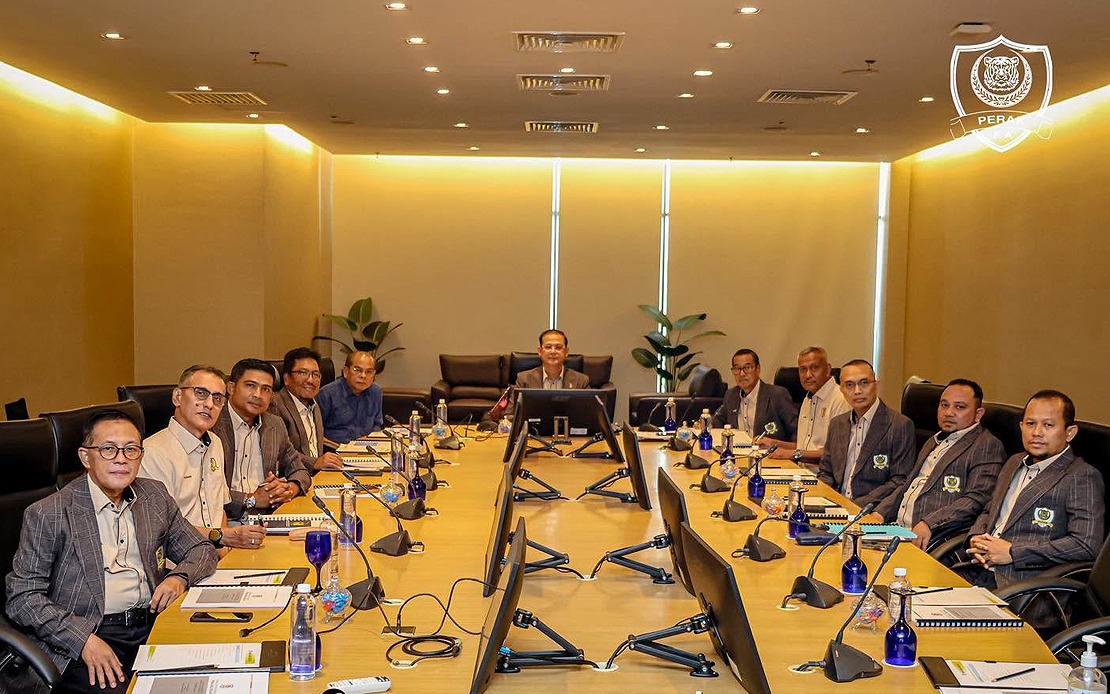
The Perak Football Association (PAFA) is moving to bring in a new head coach to lead the state's Liga A1 semi-pro team through the 2026-2027 season, marking a significant structural shift in the organization's coaching setup. The decision emerges from a fresh mandate issued by the Amateur Football League (AFL) that now requires all competing teams to employ a head coach holding an AFC Pro Diploma Coaching License (Pro-A), a credential that signals commitment to professional standards across the semi-professional league.
The new licensing requirement represents a broader professionalization trend within Malaysian football's development pyramid, ensuring that even at semi-pro level, teams benefit from coaches with internationally recognized qualifications. This regulation aims to elevate the quality of instruction and tactical sophistication available to players still developing their craft, bridging the gap between grassroots programs and elite professional football. For Perak, this mandate necessitates a deliberate search for coaching talent that meets these specific credentials while also bringing deeper experience.
PAFA's announcement indicates the association will seek a head coach who transcends merely satisfying the licensing requirement. The ideal candidate will combine the AFC Pro Diploma qualification with a substantial portfolio in grassroots football development, contemporary coaching methodologies, and demonstrated success at state, national, and international stages. This multi-layered approach suggests PAFA is thinking beyond regulatory compliance toward building a coaching culture that can sustain competitive performance and develop emerging talent simultaneously.
The appointment decision also reflects strategic alignment with Perak's broader development vision. The coaching hire will be evaluated against the state's football roadmap, particularly the Perak Sejahtera 2030 Plan, which outlines how football can contribute to the state's larger development objectives. This integration means the new head coach will inherit not just a team to manage, but a development system to steward, where short-term competitive success and long-term player development exist as complementary rather than competing priorities.
Outgoing coach Syamsul Saad, himself a former player, delivered solid results in the previous season, guiding Perak to a fifth-place league finish alongside a semi-final appearance in the MFL Challenge Cup and a quarter-final berth in the Malaysia Cup. His departure does not signal underperformance but rather reflects the regulatory shift and PAFA's decision to pursue a coach meeting the new professional standards. The incoming coach inherits a squad that demonstrated competitive capability, providing a foundation upon which to build.
Crucially, PAFA has pledged to retain the existing coaching staff rather than pursuing a complete overhaul. This collaborative arrangement pairs the incoming head coach with the established support structure, aiming to create a strengthened technical framework rather than disrupting continuity. Such integration allows institutional knowledge to persist while bringing fresh expertise and elevated credentials through the new appointment, a balanced approach that values both stability and improvement.
Player retention forms another cornerstone of PAFA's continuity strategy. The association has committed to offering fresh contracts to members of last season's squad who successfully completed performance evaluations, signaling confidence in the existing roster while maintaining standards. This selective retention approach preserves the core group that achieved the previous season's results while providing an opportunity to introduce new talent where assessments indicate gaps.
Beyond the Liga A1 semi-pro commitments, Perak will compete across multiple competitions during the upcoming season, including the Liga A2 Amateur division and the President's Cup. This expanded competition schedule intentionally exposes young talent emerging from grassroots development pathways to different competitive environments and opponents. By participating across these three leagues simultaneously—Liga A1 Semi-Pro, Liga A2 Amateur, and the President's Cup—Perak creates multiple platforms for player development and evaluation.
The development pipeline itself represents a significant accomplishment. PAFA has generated approximately seventy players aged between eighteen and twenty-four through structured programs including Malaysia Games (SUKMA) participation, Liga A1 semi-pro competition, and the Liga Perak Sejahtera 2030. This cohort represents the outcome of sustained grassroots investment and provides the foundation upon which competitive performance and long-term progression depend. The new head coach will work within this emerging talent ecosystem, tasked with accelerating development while maintaining competitive standards.
The structured approach across three league levels demonstrates sophisticated understanding of football development requirements. Rather than concentrating resources exclusively on semi-professional competition, PAFA distributes playing opportunities across tiers, allowing younger players exposure to competitive football while maintaining development focus. This pyramid structure, feeding talent upward through increasingly demanding competitions, reflects international best practices in youth football systems.
Menteri Besar Datuk Saarani Mohamad's continued support provides crucial institutional backing for PAFA's plans, ensuring that state-level football development maintains political prioritization and resource allocation. This governmental endorsement suggests that Perak's football ambitions are understood as contributing to broader state development and social cohesion objectives, not merely sporting pursuits.
For Malaysian football observers, Perak's appointment process reflects the evolving professionalization of semi-pro structures and the importance of credential standardization across competitive tiers. The AFC Pro Diploma requirement ensures coaching quality consistency, while PAFA's emphasis on integrating this new coach into existing development systems demonstrates sophisticated understanding that sustainable competitive improvement requires both immediate coaching enhancement and long-term structural stability. The incoming head coach inherits a squad with demonstrated capability, an established coaching structure, and a comprehensive development pipeline—conditions suggesting Perak's football trajectory will continue its upward progression into the 2026-2027 campaign.

