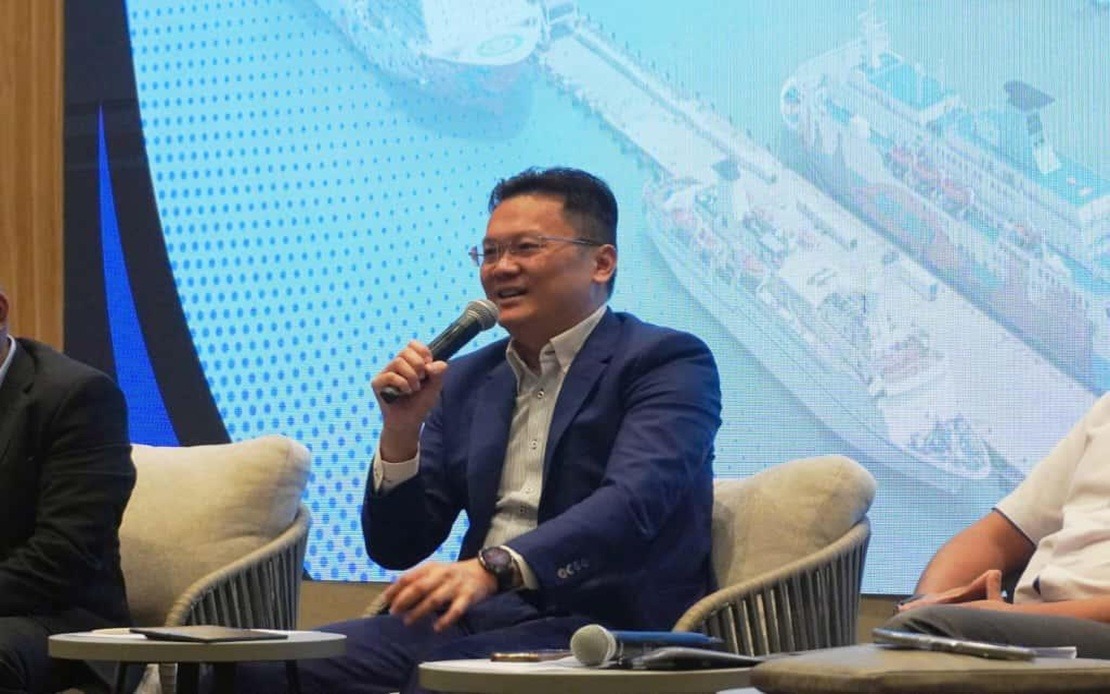
Penang Port Commission has introduced a comprehensive Standard Operating Procedure governing the handling of ship-generated waste at the port, marking a significant step in the maritime facility's environmental compliance framework. The new SOP, announced by PPC chairman Datuk Yeoh Soon Hin, aims to establish uniform standards across all terminal operations while reinforcing the port's commitment to its Green Port Policy and the broader sustainability agenda championed by Transport Minister Anthony Loke.
The procedural framework addresses a critical operational and environmental concern for Malaysian ports. Ship-generated waste—encompassing everything from scheduled waste and hazardous materials to domestic refuse and sewage—poses substantial risks if mishandled. By formalizing management protocols, Penang Port seeks to eliminate inconsistencies that have historically complicated waste disposal and created potential liabilities for operators and authorities alike. The SOP transforms waste management from an ad-hoc activity into a structured, accountable process embedded within the port's operational ecosystem.
Operators wishing to engage in waste management activities at Penang Port must now navigate a multi-agency approval framework. Beyond obtaining a valid licence from the PPC itself, companies must secure clearances from the Department of Environment, the National Water Services Commission (SPAN), the Royal Malaysian Customs Department, and relevant local authorities. This gatekeeping mechanism reflects the interconnected nature of port operations, where environmental stewardship, public health, customs compliance, and municipal regulations converge. For waste management firms, the enhanced requirements signal a more rigorous entry barrier but also provide clarity on procedural expectations.
The SOP categorizes ship-generated waste into three distinct classifications: scheduled waste originating from vessels, domestic waste including dunnage materials, and sewage discharge. This taxonomy enables tailored handling protocols for each waste stream, recognizing that scheduled waste requires specialized containment and disposal facilities, domestic waste may be recyclable, and sewage necessitates dedicated treatment infrastructure. By differentiating between waste types, the framework allows operators to deploy proportionate resources and disposal methods rather than applying a blanket approach that could prove inefficient or environmentally counterproductive.
Verification and documentation form the operational backbone of the new system. Licensed operators must confirm waste quantities in consultation with vessel representatives and subsequently submit comprehensive declaration documents, including disposal notes and discharge records, to the PPC and other relevant agencies upon completion of operations. This audit trail creates accountability at multiple junctures: operators cannot misrepresent quantities to authorities, vessels have documented proof of proper waste handling, and the PPC maintains a registry of waste flows through the port. For Malaysian port authorities seeking to strengthen environmental monitoring and detect unauthorized dumping, such documentation requirements provide essential intelligence.
The initiative gains particular significance within the context of regional maritime sustainability efforts. As Southeast Asian ports face mounting pressure from international shipping standards, particularly International Maritime Organization conventions and increasing environmental consciousness among shipping lines, Penang Port's formalized approach positions the facility competitively. Operators and vessel operators increasingly prefer ports with transparent, predictable waste management procedures, as these reduce operational delays and regulatory risks. By demonstrating robust environmental governance, Penang Port enhances its appeal to quality-conscious shipping companies.
From a pollution prevention angle, the SOP addresses a longstanding vulnerability in port management: the temptation to cut corners on waste disposal through informal arrangements or inadequate facilities. By mandating the use of approved disposal facilities and subjecting operators to licensing conditions, the framework erects structural barriers against illegal dumping. The requirement for post-operation reporting and verification creates a monitoring loop that allows the PPC to detect anomalies—such as quantities that don't match vessel manifests—that might indicate improper handling or environmental violations.
Datuk Yeoh's emphasis on compliance with legal standards underscores the port's alignment with Malaysia's broader environmental regulations and international maritime conventions. Penang Port operates within a regulatory ecosystem that includes the Environmental Quality Act, maritime pollution prevention statutes, and port-specific by-laws. The SOP serves as an operational translation of these higher-order legal obligations, converting abstract compliance requirements into concrete procedures that terminal operators and waste management companies must follow daily. This bridging function is essential for converting policy ambitions into tangible environmental outcomes.
The port's commitment to continuous improvement represents a forward-looking dimension of the initiative. Rather than treating the SOP as a static document, the PPC intends to monitor implementation through inspections and audits, gathering data on how effectively operators adhere to procedures and whether the framework achieves environmental objectives. This adaptive approach recognizes that operational procedures benefit from field experience and technological advancement. As waste management technologies evolve—particularly in recycling, treatment, and recovery—the SOP can be updated to incorporate innovations that reduce environmental footprint and operational costs.
Recycling and waste reduction receive explicit attention within the framework, reflecting global trends toward circular economy principles. By encouraging operators to adopt technologies and practices that minimize waste volume and maximize recovery rates, Penang Port positions itself within the vanguard of sustainable port development. This orientation also aligns with shipping industry pressures to reduce environmental impact, as vessel operators increasingly face environmental compliance costs that incentivize waste reduction throughout their operations.
For Malaysian stakeholders, particularly those in the maritime, logistics, and environmental sectors, the Penang Port initiative offers instructive lessons. The SOP demonstrates how a major port can strengthen environmental governance without imposing such stringent requirements that legitimate operators relocate to less-regulated alternatives. The multi-agency approval process, while administratively demanding, creates a coherent framework rather than a fragmented one where operators navigate conflicting guidance from different authorities. Other Malaysian ports contemplating similar measures can study Penang's approach as a template, potentially contributing to industry-wide standardization that would reduce compliance burdens across the shipping network.
The initiative also reflects Transport Minister Anthony Loke's broader port modernization agenda, which emphasizes positioning Malaysian ports as leaders in digital innovation and environmental stewardship. By coupling operational efficiency with environmental responsibility, Penang Port demonstrates that these objectives need not conflict. Rather, formalized waste management procedures can enhance operational predictability, reduce disputes between operators and port authorities, and ultimately strengthen the port's competitive position in a market increasingly sensitive to sustainability credentials.
Looking ahead, the success of this SOP will depend on consistent enforcement and the willingness of all stakeholders—port authority, operators, vessel representatives, and regulatory agencies—to treat compliance as a shared responsibility rather than a compliance burden imposed by authorities on unwilling operators. The framework's design, which emphasizes clarity, proportionate requirements, and documented accountability, creates favorable conditions for such cooperative implementation. As Penang Port moves to operationalize this new system, regional observers will watch closely for lessons applicable to their own port development challenges.

