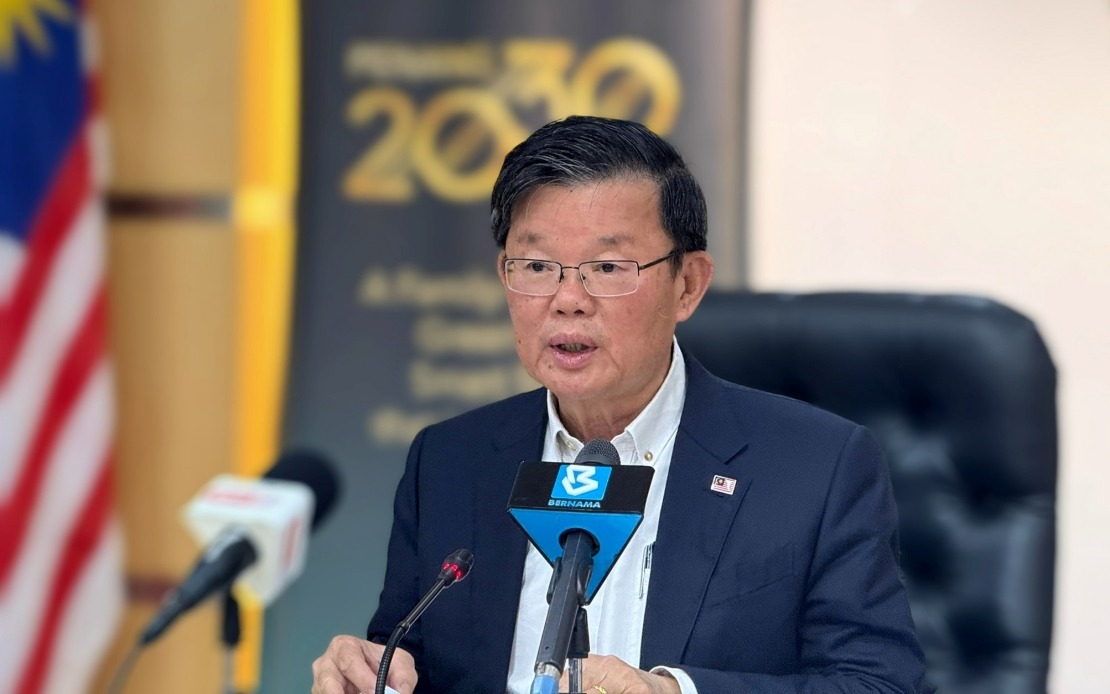
Penang's Pakatan Harapan leadership is systematically restructuring its electoral machinery ahead of the next general election, with coalition chairman Chow Kon Yeow directing all subcommittees to hold meetings and deliver comprehensive progress assessments during early August. The directive reflects a broader push across the coalition to identify organisational gaps, consolidate operational strengths, and refine strategic positioning as PH seeks to maintain its electoral dominance in the northern state. Speaking at Komtar in George Town, Chow indicated that the review process would encompass multiple dimensions of party operations, from grassroots mobilisation to policy communication frameworks.
The August reporting timeline represents a deliberate scheduling choice for the coalition, allowing sufficient window for course corrections before formal campaign machinery typically accelerates in the months preceding a national election. By clustering subcommittee reviews into a single reporting cycle, PH leadership aims to create a unified diagnostic snapshot of organisational readiness across various functional areas. This approach contrasts with ad-hoc reviews and suggests a more structured, data-driven approach to election preparation than what has characterised some previous campaign cycles in Malaysian politics.
Chow's emphasis on welcoming external feedback and criticism indicates a willingness to acknowledge that even a dominant coalition possesses operational vulnerabilities requiring external perspective. The chief minister specifically referenced the coalition's commitment to addressing organisational weaknesses while simultaneously leveraging existing competitive advantages. For Malaysian observers, this language mirrors increasingly common management practices adopted by political organisations across Southeast Asia, where structured self-assessment has become routine among major political players preparing for electoral contests.
The stability of Penang's Unity Government—the formal governing arrangement between Pakatan Harapan and Barisan Nasional—remains a significant contextual factor for these electoral preparations. Chow explicitly confirmed that collaboration between component parties continues without friction or strategic misalignment, with no individual party attempting to initiate directional changes or reshape the governing coalition's fundamental architecture. This cross-coalition stability is not insignificant given the historical tensions between PH and BN in other Malaysian states, where unity arrangements have proven fragile.
The 2023 Penang state election results provide quantitative foundation for understanding the coalition's current positioning. Pakatan Harapan and Barisan Nasional jointly secured 29 of the 40 state assembly seats contested, a comfortable majority that nonetheless leaves limited room for electoral underperformance. Within this coalition configuration, the Democratic Action Party's monopolistic performance—winning all 19 seats it contested—represents the dominant force within the PH framework. The People's Justice Party contributed seven seats, while the National Trust Party secured one seat, with Barisan Nasional accounting for the remaining two seats.
For Malaysian politics more broadly, Penang represents one of the few states where a formal governing arrangement between two historically rival coalitions has persisted without major rupture. The region's relatively strong economy, diverse voter base, and established governance institutions appear to facilitate such arrangements. However, the longevity of this partnership will increasingly depend on whether component parties can manage internal ambitions without subordinating them to coalition-level stability, a balancing act that will be tested during the election preparations now underway.
The focus on electoral preparation in Penang also reflects broader strategic calculations within the national PH coalition. As a state where the coalition governs with substantial legislative majorities and has developed sophisticated administrative institutions over multiple terms, Penang serves as both a symbolic stronghold and a financial resource generator for national-level party operations. Any erosion of PH support in state assembly constituencies would have reverberating effects across peninsular Malaysian politics.
Chow's comments regarding the maintenance of status quo arrangements and the absence of new directional initiatives suggest that the Unity Government partners have implicitly agreed to defer potentially divisive questions regarding future electoral alliances, seat distribution, or policy emphasis until after the general election. This strategic pause on coalition management issues allows component parties to focus campaign resources on reinforcing their existing voter coalitions rather than managing internal partnership negotiations.
The election preparation initiatives being implemented in Penang also intersect with broader trends in Malaysian political party organisation. Established parties increasingly employ professional management consultants, data analytics capabilities, and structured review processes similar to those now being deployed by PH. These modernised approaches aim to improve campaign efficiency and responsiveness to voter sentiment, though their effectiveness in translating organisational improvements into electoral gains remains debated among Malaysian political analysts.
For regional observers, Penang's PH operations represent a particularly instructive case study in how established governing coalitions in Southeast Asia prepare for electoral challenges. The emphasis on systematic review, feedback incorporation, and strategic recalibration reflects lessons learned from previous campaign cycles and demonstrates increasing sophistication in Malaysian political party operations. Whether these preparation efforts translate into sustained electoral performance will become evident when voters next proceed to the polls.

