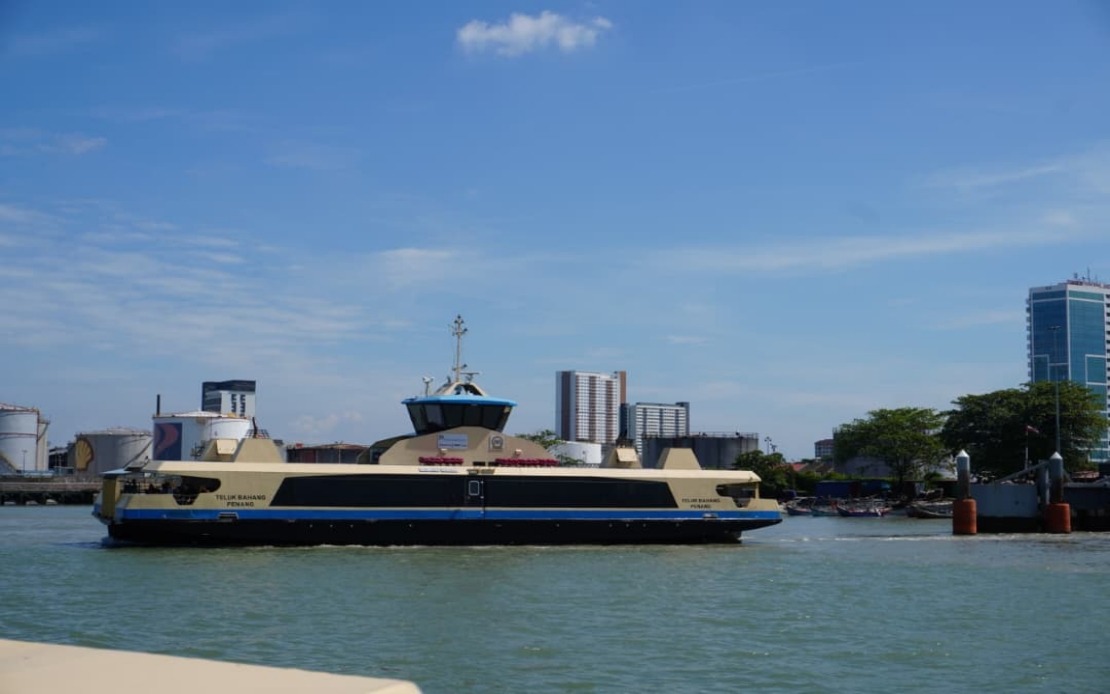
Penang's commuters will enjoy free passage across the state's iconic straits on August 31 as ferry operators mark the 69th National Day celebration with a complimentary travel initiative. The Penang Port Commission (SPPP) announced the arrangement in coordination with Penang Port Sdn Bhd (PPSB), representing a gesture of national solidarity during Malaysia's independence commemoration period.
The no-fare policy will apply to both Sultan Abdul Halim Terminal in Seberang Perai and Raja Tun Uda Terminal in George Town, with services maintaining their standard timetables throughout the day. According to SPPP chairman Datuk Yeoh Soon Hin, the scheme exemplifies the port authority's commitment to enhancing accessibility and convenience for Malaysian travellers during significant national occasions.
Walking passengers stand to economise RM2 per single crossing, while motorcycle and two-wheeled vehicle riders would typically pay RM2.50 for the same journey under regular tariffs. For families and regular commuters, the financial benefit compounds across multiple trips, representing a meaningful saving during the long holiday weekend that typically accompanies National Day festivities.
The free ferry service extends beyond mere fare reduction. Port authorities view the initiative as instrumental in tackling Penang's chronic traffic congestion, a persistent challenge during peak holiday periods when thousands of visitors traverse the bridge and ferry terminals. By encouraging water-based transport, SPPP aims to distribute passenger loads more evenly across available crossing infrastructure, potentially easing bottlenecks at the Second Penang Bridge and vehicular ferry routes.
Sustainability considerations underpin the announcement as well. Ferry services represent a lower-carbon alternative to automobile travel, generating reduced emissions per passenger compared to private vehicles. During National Day celebrations, when patriotic fervour often drives increased domestic travel, channelling passengers toward eco-friendly transit options aligns with Malaysia's broader environmental stewardship objectives and regional commitments to reducing transport-sector emissions.
Historical data supports the strategy's potential impact. During last year's National Day observance, ferry terminals processed 9,185 pedestrian crossings and accommodated 1,874 two-wheeled vehicles across both directional flows. These figures suggest substantial demand for water-based transport during national holiday periods, indicating that a fare-free promotion could significantly boost utilisation and effectively reduce congestion elsewhere in Penang's transport network.
The announcement arrives as SPPP marks its 70th anniversary, known colloquially as its Platinum Jubilee year. The port authority is leveraging this milestone through extended promotional activities, including partnerships with cultural institutions such as the Penang Ferry Museum. This institutional collaboration reflects a strategic approach to celebrating both national and organisational achievements simultaneously.
Complementing the ferry initiative, the 'Kids Go Free Merdeka Special' campaign will grant complimentary admission to the Penang Ferry Museum for Malaysian children aged 12 and below from August 29 through August 31. The programme positions heritage education within the National Day narrative, allowing younger generations to engage with the historical significance of Penang's maritime transport infrastructure while participating in national celebrations.
For Malaysian readers unfamiliar with Penang's transport landscape, the ferry service represents a vital connection between the mainland Seberang Perai and the island proper, dating back generations as a primary crossing method before bridge construction. While road infrastructure now dominates inter-island connectivity, the ferry remains culturally significant and practically important for motorcyclists and pedestrians, who comprise the service's primary clientele.
The initiative carries particular resonance for Penang residents and regular cross-strait commuters, who represent a significant portion of daily traffic. By eliminating fare barriers on National Day, authorities acknowledge public contribution to national prosperity and invite participation in collective celebration. The symbolism of free passage during independence commemorations carries weight beyond mere economics.
Regional observers may view the scheme as emblematic of how Malaysian state authorities increasingly incorporate sustainable transport advocacy into public holidays and national observances. Such policies gradually reshape public perception of public transit as patriotic infrastructure deserving prioritisation and investment, contributing to longer-term modal shift objectives across Southeast Asian urban centres.
Looking forward, the data generated from this National Day free-fare period may inform future transport planning decisions in Penang. Should utilisation figures substantially exceed historical norms, port authorities might construct evidence-based arguments for extended promotional periods or permanent fare reductions during specific seasons, leveraging Merdeka Day as a proof-of-concept for demand management strategies.
The convergence of national celebration, environmental advocacy, and operational efficiency demonstrates how Malaysian port authorities balance competing priorities. Rather than viewing free transport services as pure revenue sacrifice, they frame such initiatives as investments in congestion mitigation, sustainability promotion, and public engagement during moments of heightened national consciousness, yielding measurable benefits across multiple policy domains.

