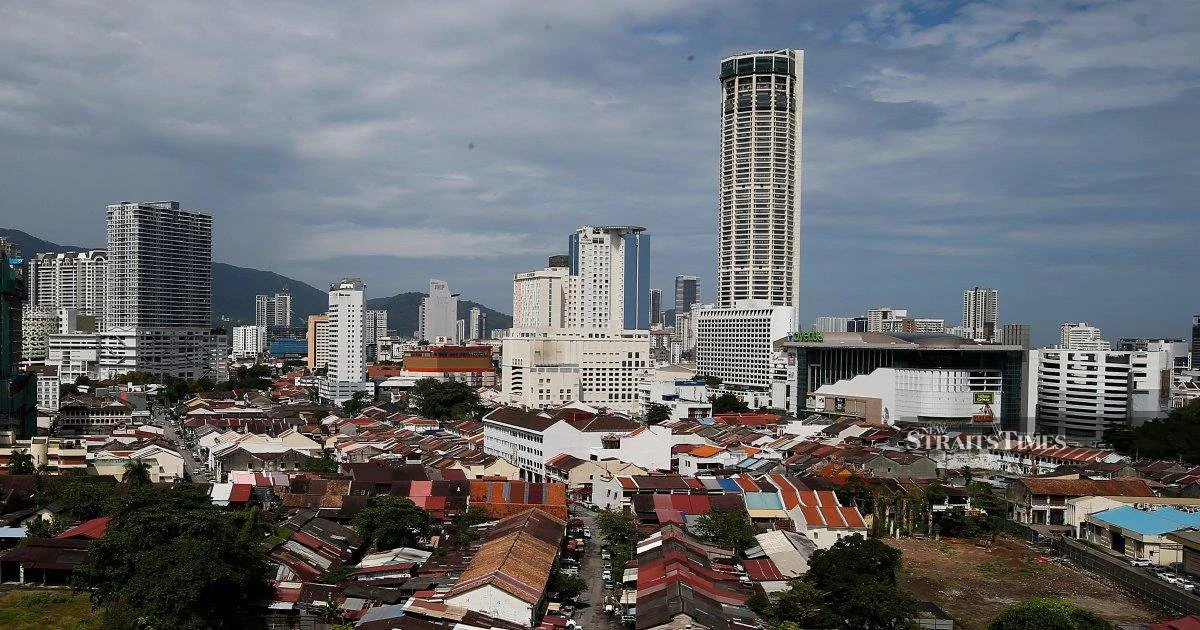
Penang DAP Socialist Youth has pushed back forcefully against what it characterises as inflammatory language surrounding the Penang South Reclamation project, dismissing the term "illegal island" as a propaganda tool deployed by critics following a failed legal attempt to block the development. The characterisation came after Sahabat Alam Malaysia, the environmental advocacy group, lost its court appeal challenging the megaproject's legitimacy.
The statement represents a significant escalation in the rhetorical battle over one of Peninsular Malaysia's most contentious infrastructure initiatives. The Penang South Reclamation project, a massive waterfront development spanning hundreds of hectares off the state's southern coast, has crystallised broader tensions between economic development ambitions and environmental conservation in the region. For supporters within the state government and its allied youth wings, the project symbolises progress and prosperity. For opponents, it exemplifies reckless disregard for marine ecosystems and public interest.
Sahabat Alam Malaysia's unsuccessful appeal represents a crucial juncture in the dispute. The environmental organisation had mounted a legal challenge contesting the project's compliance with Malaysian law and international environmental standards. The court's decision effectively cleared a significant hurdle for project proponents, at least in the formal legal arena. However, rather than settling the matter, the verdict has intensified ideological contestation over how the development should be discussed and understood by the Malaysian public.
Dapsy's intervention reflects how the youth wing of Penang's dominant political party views the language used in opposition discourse. By characterising terminology as propaganda, the youth movement is attempting to reframe the debate as one pitting responsible governance against scaremongering tactics. This framing serves multiple purposes: it delegitimises critics, deflects from substantive environmental concerns, and positions development advocates as guardians of rational discourse against emotional manipulation.
The Malaysian context makes this dispute particularly significant. Penang, under DAP governance since 2008, has positioned itself as a progressive counterweight to federal-level politics. Yet the state's development trajectory—characterised by rapid urbanisation and ambitious infrastructure projects—has generated internal contradictions with the party's historical environmental commitments. The Penang South Reclamation project crystallises these tensions. Proponents argue it will generate employment, diversify the economy, and establish Penang as a global financial hub. Critics contend the environmental costs—including impact on fishing communities, mangrove destruction, and marine pollution—are not adequately priced into this calculus.
Environmental groups like Sahabat Alam Malaysia argue their terminology reflects technical and legal accuracy. They contend that the project breaches environmental impact requirements and violates marine protection protocols. From their perspective, calling the development an "illegal island" is descriptive rather than propagandistic. The language used in environmental advocacy often operates at high emotional register precisely because advocates believe ordinary regulatory channels have failed to adequately protect public interests. When courts rule against environmental plaintiffs, activists frequently interpret such verdicts as institutional capture rather than vindication of development legitimacy.
For Southeast Asian readers observing this dispute, the Penang case offers lessons about how mega-infrastructure projects generate political polarisation across the region. Similar tensions over reclamation and coastal development have erupted in Thailand, Indonesia, and the Philippines. In each instance, ambitious governments have framed critics as obstructionists, while opposition movements have deployed charged language to mobilise public concern. The Malaysian case is noteworthy because it involves an ostensibly progressive government pursuing development trajectories that traditional environmental allies find troubling.
The court ruling itself requires scrutiny. Legal outcomes do not necessarily reflect the underlying merits of environmental claims. Malaysian courts operate within institutional and political contexts that shape outcomes. While the Penang South Reclamation project cleared this particular legal hurdle, the decision hardly constitutes comprehensive validation of all environmental aspects. Future litigation concerning specific implementation details, water quality impacts, or compensation for affected communities remains possible.
Dapsy's propaganda characterisation also reveals strategic communication choices within Penang's political establishment. Rather than engaging substantive environmental arguments—discussing mitigation measures, compensation frameworks, or alternative development scenarios—the youth wing has opted for meta-criticism of opposition discourse. This rhetorical manoeuvre sidesteps rather than addresses underlying concerns about whether current environmental safeguards genuinely protect public interests or primarily facilitate development.
Looking forward, the Penang South Reclamation project will likely remain contested terrain. Court victories do not automatically generate public acceptance of controversial developments, particularly in Southeast Asian contexts where civil society and grassroots environmental movements exercise considerable political influence. The state government may find that legal clearance for the project creates space for implementation but does not resolve the deeper legitimacy questions that environmental groups and affected communities continue to raise about transparency, accountability, and whose interests the development ultimately serves.

