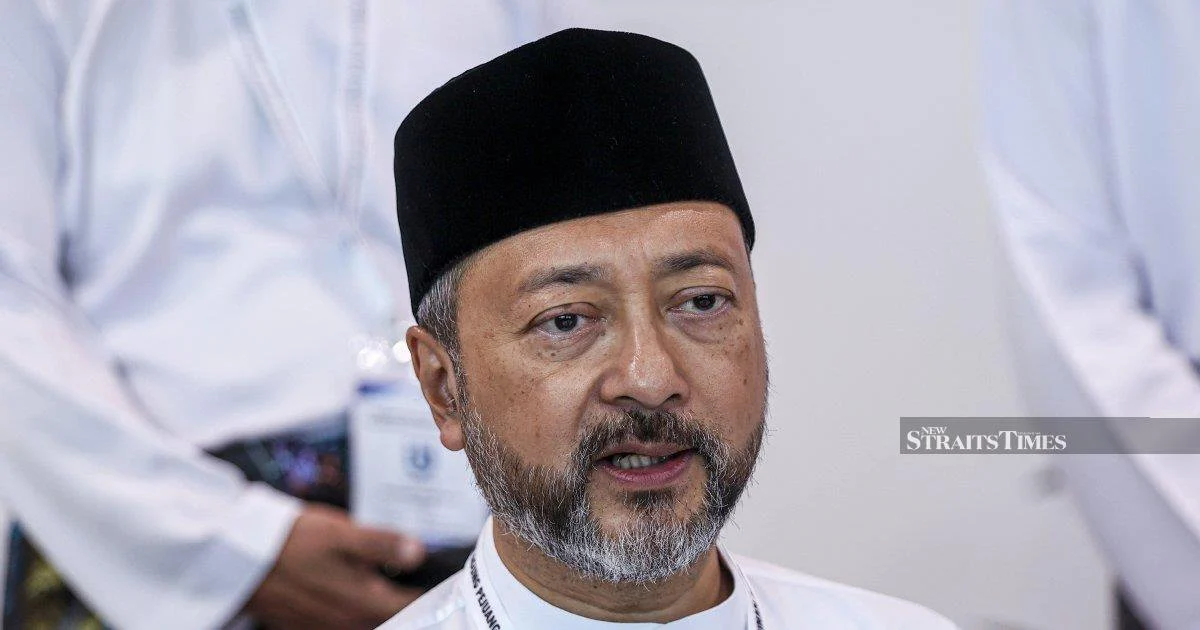
Parti Pejuang Tanah Air's (Pejuang) formal entry into Perikatan Nasional represents far more than a simple merger of two political entities. According to the party's president Datuk Seri Mukhriz Mahathir, this development signals the beginning of a comprehensive realignment aimed at consolidating opposition forces and generating a coherent response to the country's escalating difficulties. The move reflects growing recognition among opposition-aligned parties that fragmented political structures impede their capacity to present viable alternatives to the governing coalition.
The timing of Pejuang's integration into the broader PN framework carries substantial implications for Malaysia's evolving political landscape. Since its establishment in 2020, Pejuang has occupied a unique position within the opposition spectrum, functioning as an independent vehicle for its founder and former Prime Minister Mahathir Mohamad's political ambitions. The decision to formally align with PN suggests that internal strategic calculations have shifted, with party leadership evidently concluding that collaborative arrangements offer superior prospects compared to maintaining organisational independence. This recalibration reflects deeper currents within Malaysian opposition politics, where parties increasingly recognise the limitations of standalone operations.
For PN itself, absorbing Pejuang represents an opportunity to strengthen its institutional coherence and broaden its constituent base. The coalition, which previously comprised PAS, BERSATU, and other smaller formations, has sought to position itself as a credible governing alternative. Pejuang's contribution brings not merely numerical membership but also the political capital associated with Mahathir's enduring influence within certain voter demographics. The former premier's prominence in Malaysian politics remains substantial despite recent electoral setbacks, and his party's resources and organisational infrastructure add measurable value to PN's competitive positioning.
Mukhriz Mahathir's framing of the admission as part of a "broader unity effort" suggests ambitions extending beyond current PN membership. This language indicates that opposition leaders envision further consolidations or cooperative arrangements with other political formations currently outside the PN structure. Such developments would represent significant reconfiguration of Malaysian politics, potentially reshaping the binary opposition-government dynamic that has characterised recent electoral cycles. The implicit suggestion that additional unification discussions may follow points to ongoing negotiations occurring behind closed doors, negotiations that will substantially influence the country's political trajectory leading into future electoral contests.
The invocation of "growing national challenges" as justification for political consolidation speaks to genuine anxieties regarding Malaysia's contemporary circumstances. Economic pressures, cost-of-living crises, governance concerns, and public discontent with government performance have created receptiveness among voters for alternative political narratives. Opposition leaders increasingly frame their consolidation efforts as responses to these substantive national problems rather than merely as tactical manoeuvres designed to accumulate electoral advantage. Whether this framing accurately reflects underlying motivations remains subject to interpretation, but the rhetorical emphasis on addressing public concerns resonates with documented voter anxieties across multiple demographics.
Pejuang's transition into PN membership requires careful navigation of internal party dynamics and member expectations. Supporters who joined Pejuang specifically because of its positioning as an independent Mahathir vehicle may experience ambivalence regarding formal subordination within a larger coalition structure. The party must therefore articulate compelling explanations for why greater integration with PN serves the interests of its base while preserving sufficient organisational autonomy to maintain distinct identity and influence within the coalition. This balancing act reflects broader challenges facing coalition politics in Malaysia, where member parties consistently struggle to maintain internal cohesion while advancing collective objectives.
The admission also carries implications for regional political dynamics within Southeast Asia. Malaysia's internal political reconfigurations inevitably influence bilateral relationships and regional groupings. Opposition coalitions with renewed coherence and credible governing prospects create different diplomatic calculi compared to fragmented opposition formations. Regional neighbours observing these developments assess implications for trade relationships, security cooperation, and alignment within broader Indo-Pacific strategic competitions. A Malaysian opposition with enhanced organisational capacity and clearer policy platforms potentially alters the domestic conditions affecting ASEAN decision-making and regional geopolitical positioning.
Institutional arrangements governing how Pejuang operates within PN will establish precedents for future opposition consolidations. The specific mechanisms adopted—whether involving subordination, federal structures, or hybrid arrangements—will determine the durability and functionality of the expanded coalition. Poorly designed integration mechanisms have historically undermined coalition effectiveness in Malaysian politics, generating internal tensions that eventually precipitate fragmentation. Conversely, well-crafted institutional frameworks can facilitate sustained cooperation and coordinated action across politically diverse member formations.
Mukhriz Mahathir's optimistic characterisation of these developments reflects leadership confidence that consolidation benefits exceed costs. This confidence must ultimately prove justified through electoral performance and governance capacity. Opposition coalitions succeed not through formal mergers alone but through demonstrating to voters that unified structures genuinely advance national interests and offer substantive policy alternatives. The coming months and years will reveal whether PN's expanded structure and broadened membership create sufficient institutional coherence and policy clarity to translate increased scale into genuine political competitiveness.