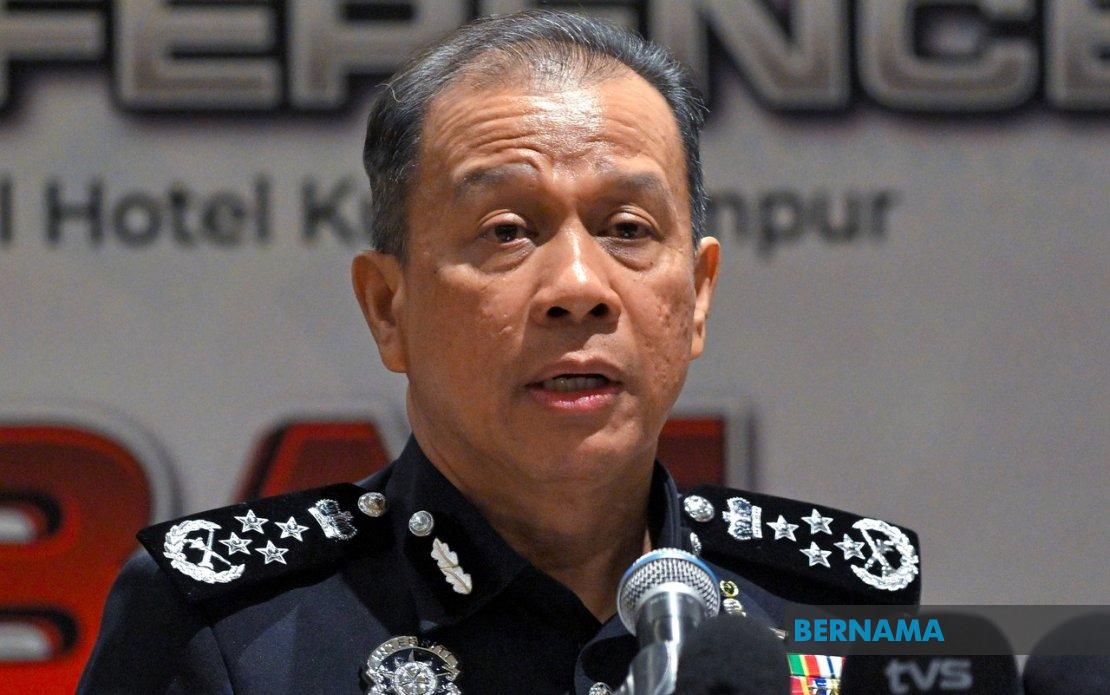
The Royal Malaysia Police has committed to placing officers within airport aviation security teams following a Cabinet directive aimed at reinforcing the nation's defences against criminal exploitation of air transport infrastructure. The deployment represents a significant institutional shift, integrating uniformed police presence into what has traditionally been a civilian-dominated security apparatus at Malaysian airports. Inspector-General of Police Tan Sri Mohd Khalid Ismail announced the decision through a statement, emphasising that the force would work closely with the Home Ministry, Transport Ministry, and allied agencies to establish operational protocols for the expanded security framework.
The timing of this initiative reflects growing concerns about vulnerabilities within Malaysia's aviation security ecosystem, particularly following the recent detention of a Malaysian commercial pilot in Indonesia on allegations of transporting contraband drugs. This incident exposed how international aviation corridors can be exploited by criminals operating within professional aviation networks, prompting policymakers to reassess existing safeguards. The case underscored that conventional screening procedures at airport terminals may be insufficient when individuals with legitimate access credentials seek to circumvent detection systems, necessitating enhanced vetting and monitoring mechanisms backed by law enforcement capabilities.
Currently, PDRM and relevant authorities are developing a detailed implementation roadmap that addresses multiple operational dimensions. These include defining the precise scope of duties for police personnel, determining optimal placement strategies across airport facilities, calculating staffing requirements, delineating jurisdictional boundaries, and establishing coordination channels between police units and existing aviation security operators. The comprehensive nature of these preparations suggests authorities recognise that simply stationing officers at airports without clear mandates and structured integration risks creating confusion and operational friction rather than genuine security enhancement.
Inspector-General Mohd Khalid articulated a strategic rationale for police participation, highlighting how law enforcement brings institutional capabilities that civilian security contractors may lack. Police involvement enables real-time intelligence sharing between airport operations and national security databases, facilitates earlier detection of suspicious patterns or individuals of concern, strengthens coordination between different enforcement agencies, and enables rapid response protocols when threats materialise. This networked approach represents a departure from compartmentalised security models where airport personnel operate independently from broader law enforcement ecosystems.
The initiative forms part of a larger security modernisation strategy encompassing multiple reinforcement layers rather than relying on any single control mechanism. Strengthened access control systems will limit movement through restricted zones, enhanced passenger and baggage screening will employ updated technologies and protocols, comprehensive risk assessment frameworks will identify higher-threat individuals or cargo before they reach aircraft, and improved inter-agency cooperation will leverage information across government entities. This layered approach reflects international best practices developed following major aviation security incidents globally, where investigations consistently reveal that single-point failures can be catastrophic.
The structural integration of police and intelligence-based methodologies promises to address security gaps that determined adversaries might otherwise exploit. Current systems often operate reactively, identifying threats after suspicious activity occurs. By embedding law enforcement with access to real-time threat intelligence and personnel databases, authorities aim to shift toward preventive security postures where risks are identified and mitigated before criminal activity unfolds. This proactive orientation requires police to analyse patterns, identify networks, and recognise emerging threats rather than simply responding to incidents already in progress.
For Malaysian aviation stakeholders and travelling public, the deployment carries both operational implications and security assurances. Enhanced police presence may introduce minor procedural delays during peak travel periods as integrated screening becomes standard, yet authorities anticipate that modernised systems will ultimately streamline operations once personnel become familiar with revised protocols. The broader message emphasises that flight safety and airport security remain paramount national priorities, with government prepared to deploy significant resources to prevent aviation infrastructure from becoming vectors for drug trafficking, terrorism financing, or other criminal activities.
Regional observers note that Malaysia's decision aligns with broader Southeast Asian security concerns. Drug trafficking networks increasingly exploit commercial aviation to move contraband across borders, while airport vulnerabilities create openings for organised criminal groups. Countries throughout the region have similarly enhanced aviation security through police deployments and intelligence integration. Malaysia's approach may also influence neighbouring nations to reassess their own protocols, potentially creating a more coordinated regional security architecture.
The practical implementation phase will determine whether this initiative delivers substantive security gains. Successful integration requires comprehensive training programmes ensuring police officers understand aviation-specific security procedures, clear communication protocols preventing conflicting authorities from hindering operations, and sufficient resources to maintain consistent enforcement without degrading passenger experience. Early weeks following deployment will prove critical in identifying operational bottlenecks and refining procedures based on real-world experience rather than theoretical planning.
Inspector-General Mohd Khalid's assurance that enforcement against aviation-related criminality will not be compromised reflects recognition that public confidence depends partly on visible governmental commitment. When citizens observe that authorities respond decisively to security breaches rather than accepting systemic vulnerabilities, institutional legitimacy strengthens. Conversely, repeated incidents without commensurate responses erode public trust in safety assurances. The police deployment signals that authorities are implementing measurable changes following the pilot detention case, rather than issuing hollow reassurances while leaving structural weaknesses unaddressed.

