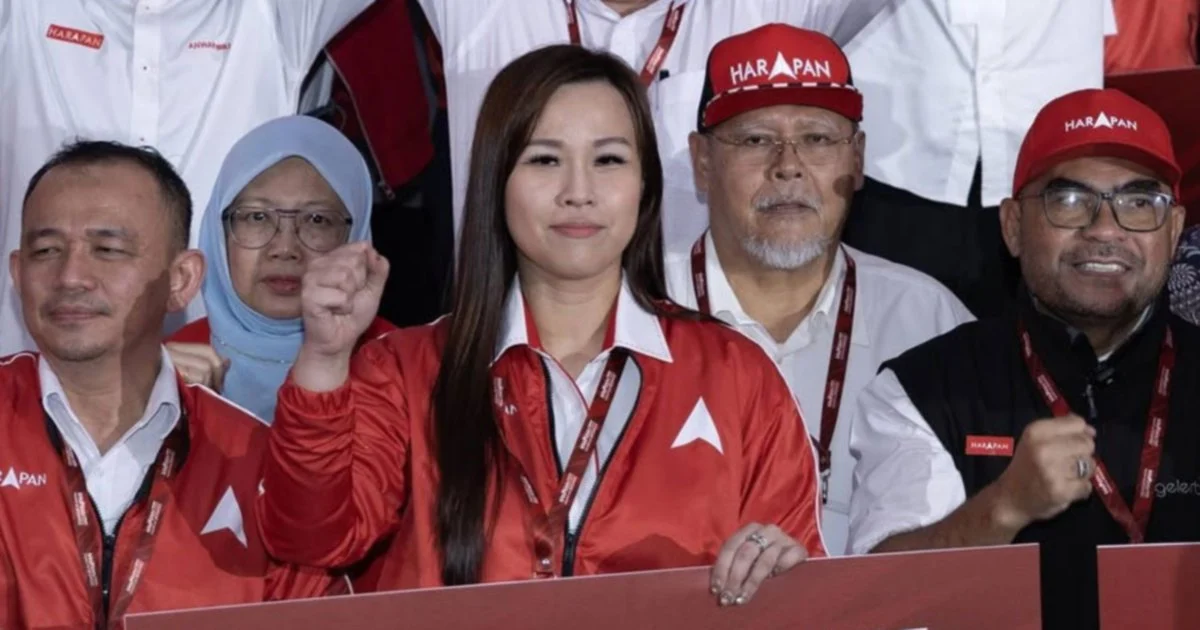
The Pasir Gudang division of Amanah has announced it will withhold support from Pakatan Harapan's chosen contender for the Permas state constituency in the forthcoming 16th Johor state election, with the grassroots faction expressing strong displeasure at Sharon Teo's candidacy. The party wing has characterised the appointment as quintessential parachute politics—a term used across Malaysian politics to describe when a party imposes an external candidate without meaningful input from local divisions or community members. This represents a significant rift within the broad Harapan coalition at a crucial moment as the state prepares to go to the polls.
The grievance aired by Pasir Gudang Amanah reflects deeper tensions within Malaysia's opposition constellation regarding candidate selection processes and internal democratic standards. Parachute candidacies have become increasingly contentious in Malaysian politics, with ground-level party members frequently objecting when state or national leadership overrides local preferences in favour of individuals perceived as outsiders or lacking genuine community connections. Such tensions underscore the structural imbalances between hierarchical party machines and grassroots democratic participation that persist even within coalitions explicitly formed around reform principles.
Amanah, which joined the Harapan coalition during the 2018 political realignment, has historically positioned itself as champion of cleaner governance and internal party democracy. The party's explicit rejection of Teo's candidacy therefore carries particular significance, signalling that the party takes its democratic mandates seriously even when doing so creates discomfort within broader alliance structures. This stance distinguishes Amanah from some larger coalition partners that might prioritise electoral unity over internal faction management.
The Permas constituency remains strategically important within Johor's political landscape, and the choice of candidate carries implications beyond the immediate contest. The decision to field Teo appears to have been made without sufficient consultation with the Pasir Gudang division, which presumably would expect reasonable say in representing PH's interests within a geography directly adjacent to or overlapping with their own organisational footprint. The resulting friction suggests that coalition coordination mechanisms may have failed to accommodate legitimate local concerns.
Boycott threats, while sometimes dismissed as tactical posturing, carry real electoral consequences in marginal or competitive seats. When a party wing withdraws active campaigning support, voters who might otherwise respond to that party's ground organisation receive diminished persuasion efforts. In a state where electoral mathematics often turn on modest margins, such internal withdrawals of effort can translate directly into seat losses. The Pasir Gudang faction's decision therefore represents more than symbolic protest; it carries practical ramifications for Permas's electoral prospects.
The incident also highlights patterns within Malaysian coalition politics where national and state leadership often operates with significant autonomy in candidate selection, sometimes prioritising factional balance, electoral calculations, or patronage considerations over authentic local consultation. While party leaders defend such top-down approaches as necessary for strategic coherence, ground-level members experience them as undemocratic overrides that undermine the principle of grassroots involvement that supposedly distinguishes reform-oriented coalitions from their predecessors.
For Amanah specifically, the boycott decision reflects its positioning as a party willing to stand on principle even when doing so creates friction within larger alliance structures. The party has previously demonstrated willingness to challenge coalition partners on governance and ethics issues, positioning itself as the conscience of Harapan. Consistency demands that it extend similar scrutiny to internal party processes and candidate selection procedures, even when coalition harmony might be easier to maintain through quiet compliance.
The Johor state election context adds particular weight to this internal dispute. Johor remains strategically crucial for both Harapan and Barisan Nasional, with control of the state carrying implications for national politics and governance. Any weakening of coalition unity or effectiveness during the campaign could alter seat distribution outcomes, potentially reshaping Johor's political balance. The Permas contest thus becomes a microcosm of broader coalition vulnerabilities that could influence overall electoral performance.
Shareholder democratic practices within political parties represent an ongoing challenge across Malaysia's party system. Even ideologically reform-minded formations struggle to consistently privilege bottom-up decision-making when senior leaders believe top-down direction serves strategic objectives. The Pasir Gudang Amanah protest suggests that rank-and-file members increasingly demand authentic say in candidate selection processes, viewing such participation as fundamental to party legitimacy rather than a nice-to-have luxury feature.
Looking forward, this dispute may prompt Harapan to revisit its coalition-wide candidate selection protocols ahead of the state election and potential future national polls. The boycott signal suggests that parties cannot assume automatic compliance from grassroots structures, and that taking local input seriously may prove strategically advantageous even when it complicates decision-making. How coalition leadership responds to this challenge will likely influence both Johor election dynamics and broader coalition cohesion as Malaysian politics enters its next phase of competition.

