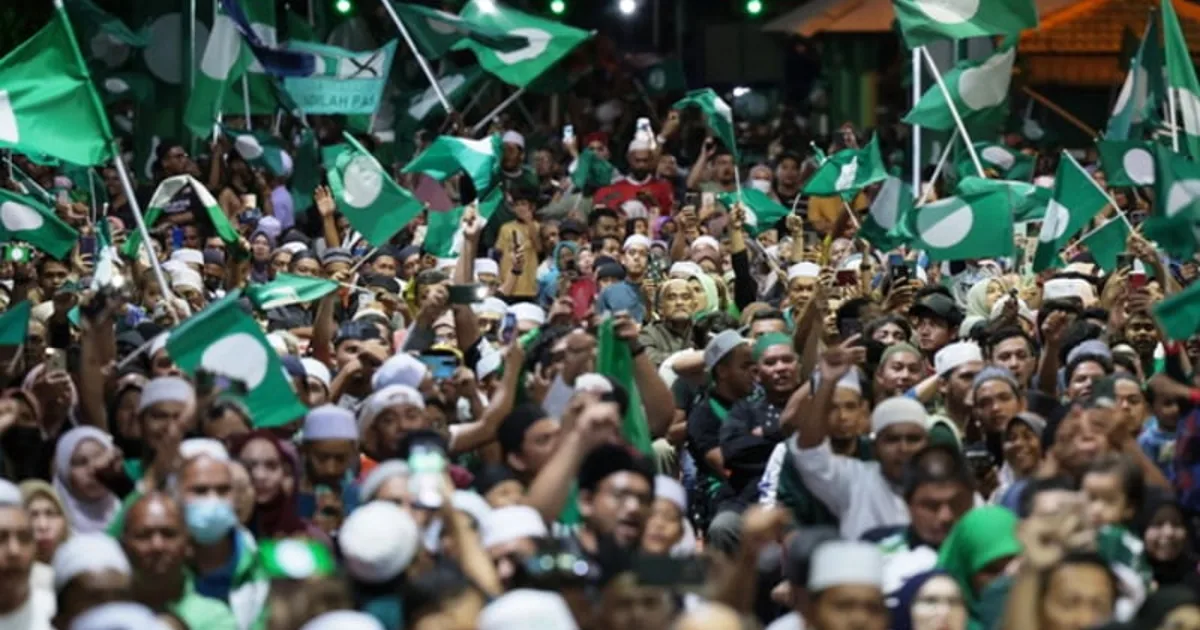
The Islamic Party of Malaysia (PAS) has made a strategic decision to reallocate its extensive election machinery away from parliamentary constituencies where Bersatu is the primary contender, a development that signals shifting dynamics within the Perikatan Nasional (PN) coalition ahead of electoral contests. Instead of spreading resources thinly across numerous marginal seats, PAS has chosen to concentrate its organisational support on constituencies where the party directly competes and on battlegrounds where other PN component parties hold stronger claims to candidacies.
This reallocation reflects a more disciplined approach to electoral competition among PN members, who collectively have pursued a strategy of avoiding direct confrontation wherever possible. By withdrawing field operations and campaign infrastructure from Bersatu-held constituencies, PAS effectively grants its coalition partner greater electoral freedom in those areas whilst preserving its organisational firepower for contests where its own electoral prospects are strongest. The move underscores a critical reality in Malaysian coalition politics: members must occasionally sacrifice ambitions in certain constituencies to maximise combined seat wins across the broader political landscape.
For Malaysian observers, the arrangement highlights how major political coalitions function behind the scenes. Rather than the public narrative of unified challenge, internal negotiations determine which party receives priority in specific constituencies, allowing coalition members to concentrate resources where they have realistic chances of victory. This prevents the wasteful scenario of multiple coalition partners competing fiercely in the same seat, which would fragment votes and potentially allow opposition candidates to slip through. The PAS decision demonstrates how PN leadership, despite periodic public tensions, maintains sufficient coordination to execute such strategic withdrawals.
The redeployment also carries implications for Bersatu's electoral prospects. By securing reduced competition from its largest coalition partner in contested constituencies, Bersatu gains clearer pathways to victory in areas where it has invested considerable political capital. This arrangement allows Bersatu to concentrate on direct contests with opposition parties rather than managing internal coalition friction. For a party that has experienced significant erosion of its original support base, such targeted assistance proves valuable in defending marginal seats that might otherwise fall to opposition challengers in tight three-way contests.
PAS's strategic consolidation provides insight into the internal hierarchy and influence distribution within Perikatan Nasional. As Malaysia's largest Islamist party by membership and arguably the most significant PN component, PAS possesses sufficient organisational depth to conduct this kind of reallocation whilst maintaining competitive presence in its core constituencies. The move reflects confidence that PN's collective electoral performance will benefit from focused, disciplined competition rather than scattered efforts that dissipate organisational energy without producing electoral gains.
For voters and observers in constituencies affected by this arrangement, the shift carries practical consequences. Constituencies where Bersatu contests will likely experience more visible PAS withdrawal, meaning fewer campaign operations, reduced grassroots mobilisation, and diminished party presence on the ground. This reduction of PN electoral machinery in these areas creates space for Bersatu to operate with greater focus, though it also potentially exposes coalition strategy to scrutiny from opposition parties that may exploit the apparent vacuum. Opposition parties could potentially argue that certain constituencies are being surrendered or that coalition discipline reflects broader internal discord.
The consolidation also intersects with factional dynamics within PAS itself. The party has historically managed tensions between its traditional Islamist base and pragmatist elements comfortable with coalition politics and electoral compromises. A strategic withdrawal of machinery could satisfy different internal constituencies: pragmatists gain reassurance that party resources are being deployed efficiently for maximum electoral return, whilst traditionalists may interpret it as the party prioritising its own religious and political mission over broader coalition considerations. The decision appears to have secured sufficient internal consensus to proceed without public party fragmentation.
Regionally, Malaysia's major coalition adjustments attract attention from observers across Southeast Asia who track how political alliances manage internal dynamics. PN's coordination mechanisms provide case studies in how ideologically diverse partners maintain operational unity despite philosophical differences. Indonesia, Thailand, and other nations with coalition politics monitor Malaysian examples of how parties balance collective victory with individual ambitions, how resources are allocated internally, and how senior partners exercise leadership without triggering rebellion from junior members.
The reallocation becomes particularly significant given the fluid nature of Malaysia's political alignments in recent years. Following multiple reorganisations and defections, coalition stability remains contested terrain. That PAS and Bersatu can execute coordinated machinery withdrawal suggests functional internal processes, though such arrangements also remain vulnerable to disruption if political circumstances shift rapidly. Should either party face unexpected electoral setbacks or leadership changes, previously negotiated arrangements could unravel, creating complications for campaign operations in advanced stages.
Moving forward, this consolidation strategy will demonstrate whether disciplined coalition resource allocation translates into electoral gains. Success would validate the approach and potentially become a model for future PN cooperation, whilst failure could prompt recriminations among coalition members regarding strategy decisions. The effectiveness of PAS's focused machinery deployment relative to resources invested will likely influence how Perikatan Nasional structures internal coordination in subsequent electoral cycles, shaping competition dynamics across Malaysian politics.

