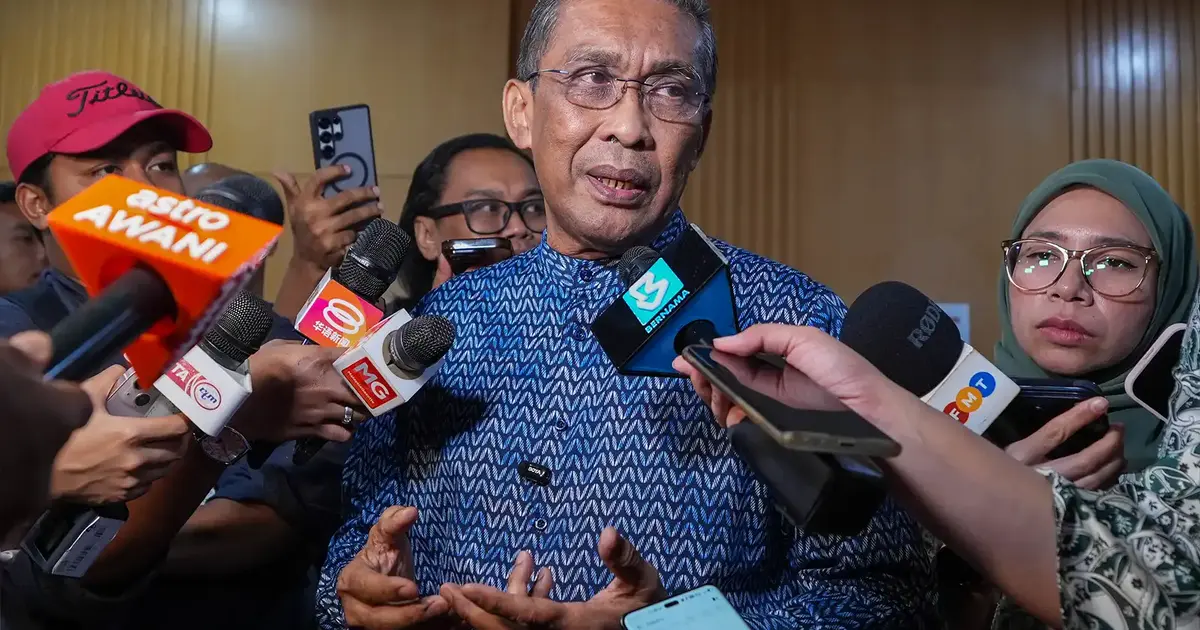
The Islamic Party of Malaysia is preparing to formalise discussions on its strategic partnership with Umno through a formal motion at its upcoming muktamar, signalling the Islamist party's continued commitment to the alliance that has shaped Malaysia's political landscape in recent years. PAS secretary-general Datuk Seri Takiyuddin Hassan announced the initiative, indicating that the motion will serve as a platform for party members to express their positions on the trajectory of PAS-Umno cooperation moving forward.
This development reflects the intensifying focus within PAS on consolidating its relationship with the country's oldest political party. The muktamar, the party's annual assembly, has traditionally served as a venue for major policy announcements and grassroots engagement, making it a significant platform for debating strategic direction. By bringing the cooperation motion to this forum, PAS leadership is ensuring that the rank-and-file membership has direct input into decisions affecting the party's political positioning and alliance architecture.
The emphasis on tabling this motion comes at a time when PAS and Umno have been navigating a complex political environment marked by shifting electoral dynamics and competing demands from their respective constituencies. Both parties share common ground on various Islamic and Malay-centric policy objectives, yet tensions occasionally surface over seat allocation in electoral pacts and policy priorities. By institutionalising the discussion through a formal motion, PAS appears to be seeking a mandate from party members for the leadership's approach to the partnership.
Beyond the immediate cooperation framework, Takiyuddin highlighted that Muslim unity will constitute a central theme in the muktamar deliberations. This broader ideological emphasis reflects PAS's self-conception as a champion of Islamic causes and Muslim interests in Malaysia's multi-religious context. The party leadership's decision to elevate Muslim unity alongside the Umno cooperation motion suggests an attempt to position the alliance as serving larger communal objectives rather than merely pursuing partisan political advantage.
The muktamar debates on these interconnected issues will likely reveal internal perspectives within PAS regarding the optimal balance between maintaining ideological distinctiveness and pursuing pragmatic political alliances. Delegates may raise questions about how far PAS should accommodate Umno's interests while protecting its own identity and mandate from Islamic constituencies. Such deliberations are crucial for parties operating in Malaysia's complex political ecosystem, where coalition stability depends on managing both shared interests and separate party agendas.
For Malaysian observers and political analysts, the outcome of these muktamar discussions carries implications extending beyond PAS internal politics. The Umno-PAS alliance represents a significant configuration within the broader Malay-Muslim political sphere, influencing voting patterns, state governance arrangements, and national policy directions. The strength and direction of this partnership consequently affects opposition coalitions, electoral competition, and the government's capacity to implement its agenda.
The timing of this motion also warrants attention given Malaysia's evolving political trajectory. Recent electoral cycles have demonstrated the volatility of voter preferences and the shifting role of Islamist parties in national politics. By reaffirming and recommitting to the Umno partnership through a formal muktamar motion, PAS may be attempting to project stability and predictability to both allies and the electorate. This move could also serve to consolidate leadership control within the party by securing member endorsement for strategic decisions.
Muslim unity as a muktamar theme resonates with PAS's historical positioning as an Islamic movement seeking to advance Muslim welfare and religious interests. However, the concept's meaning within party discourse may encompass varying interpretations—from promoting solidarity across different Islamic organisations to advocating for specific religious policies in state and federal legislatures. The muktamar will likely showcase how different party wings and regional chapters understand and prioritise Muslim unity objectives.
For Southeast Asia more broadly, the PAS-Umno configuration represents an important case study of how Islamist parties navigate coalition politics in diverse democracies. Malaysia's experience demonstrates that Islamic parties can participate in electoral competition and coalition-building while maintaining their ideological foundations, though tensions inevitably arise between principled positions and political compromise. The muktamar discussions may therefore offer insights into how such parties manage these inherent contradictions.
The motion's passage would provide the party leadership with a renewed mandate for the partnership, potentially enabling more confident pursuit of shared agenda items with Umno. Conversely, if significant opposition emerges during deliberations, it could signal the need for adjustments in how the alliance is managed or communicated to party members. Either outcome will carry weight for Malaysia's political future, given the PAS-Umno alliance's role in determining coalition compositions and governing arrangements in several Malaysian states and at the federal level.

