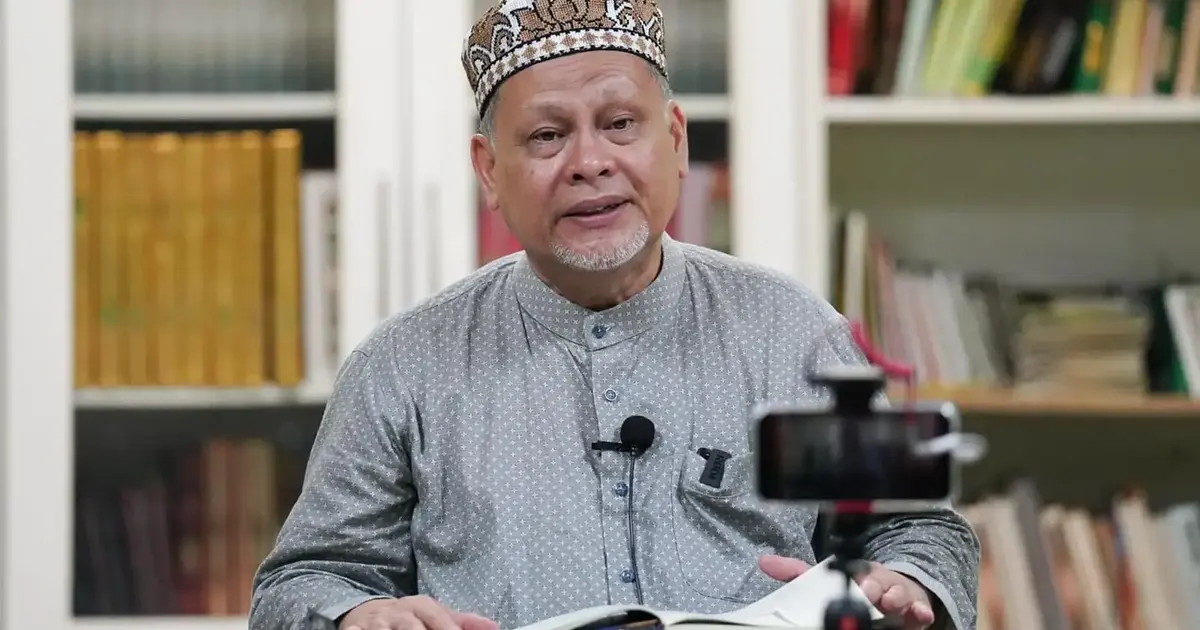
The simmering tensions within Malaysia's Perikatan Nasional coalition have surfaced anew, with PAS signalling it will not hesitate to square off against its ally Bersatu in the forthcoming Negeri Sembilan state election if seat allocations lead to a direct clash. The stark warning from Amar Abdullah, PAS's deputy president, underscores the fragility of the opposition pact despite its electoral successes in recent years.
The prospect of intra-coalition warfare in Negeri Sembilan reveals underlying fissures within PN that have grown more pronounced as the political landscape shifts following the 2022 general election. While PN presented itself as a unified force, the reality on the ground often reflects competing ambitions between component parties, each seeking to maximise territorial control and electoral gains. PAS's willingness to contemplate such confrontation signals confidence in its organisational strength, particularly in the Malay-Muslim heartland where the Islamic party traditionally dominates.
Bersatu's position within the PN alliance has grown increasingly precarious since its dramatic split from the ruling coalition in 2020 and subsequent return to opposition politics. The party, built largely around the personality of former Prime Minister Mahathir Mohamad, lacks the institutional depth and grassroots machinery that PAS has cultivated over decades. This structural disadvantage means Bersatu would face considerable challenges in any direct electoral contest against PAS, especially in a state like Negeri Sembilan where both parties have vying interests.
Negeri Sembilan represents a strategically important battleground for both parties. The state has historically been a mixed political terrain, with different regions showing varying degrees of support for different political blocks. PAS has been expanding its electoral footprint beyond its traditional strongholds, while Bersatu has struggled to establish meaningful grassroots presence outside Mahathir's home state of Kedah. An electoral clash would test whether PAS's national expansion strategy has taken root in the state, or whether seat-sharing arrangements remain necessary for PN's electoral viability.
The PN alliance was constructed as an alternative to the Barisan Nasional and Pakatan Harapan coalitions, offering voters a fresh political choice. However, the ideological and organisational differences between PN's component parties—particularly between PAS and Bersatu—have never been fully reconciled. PAS brings Islamist credentials and a mass membership base, while Bersatu offers perceived technocratic governance experience and urban appeal. These complementary but distinct identities create natural zones of tension when it comes to seat negotiations.
Amar Abdullah's statement carries particular significance given his position within the PAS hierarchy. As vice-president, he speaks with considerable authority on party strategy, and his comments likely reflect internal discussions within PAS leadership about contingency planning. The timing of such remarks, made ahead of formal seat negotiations, serves as a negotiating signal—a public reminder that PAS cannot be taken for granted and possesses sufficient strength to contest independently if necessary.
For Malaysian voters and political observers, the implications are substantial. The threat of PN infighting raises questions about whether the coalition can maintain cohesion through the electoral cycle, and what such divisions might mean for governance if PN were to win Negeri Sembilan or form part of a state administration. Coalition partners that cannot resolve internal disputes amicably often translate those conflicts into dysfunctional governance structures once in power, a concern that has plagued Malaysian politics repeatedly.
The statement also reflects broader dynamics within Malaysia's opposition political ecosystem. With Pakatan Harapan struggling to regain momentum and internal conflicts plaguing both coalitions, voters face a fragmented opposition landscape where internal rivalries sometimes overshadow substantive policy differentiation. This fragmentation has indirect benefits for the ruling coalition, which can exploit divisions among opposition parties during critical electoral periods.
From a Southeast Asian perspective, Malaysia's ongoing political restructuring reflects wider regional trends of coalition instability and the difficulty of maintaining broad-based opposition fronts in polarised political environments. Thailand, Indonesia, and the Philippines have all grappled with similar challenges of holding multi-party coalitions together while satisfying diverse ideological and territorial interests. Malaysia's experience offers lessons—both cautionary and instructive—about coalition management in competitive electoral systems.
The resolution of seat allocation tensions between PAS and Bersatu in Negeri Sembilan will likely serve as a template for how the parties manage similar disputes in other states. A confrontational outcome could accelerate PN's deterioration, while a negotiated settlement might provide breathing room for the coalition to focus on broader electoral challenges. Political observers across Southeast Asia will be watching closely to see whether PN can transcend internal rivalries or whether, like several other regional opposition coalitions, it will succumb to centrifugal forces that pull component parties toward their own narrow interests.

