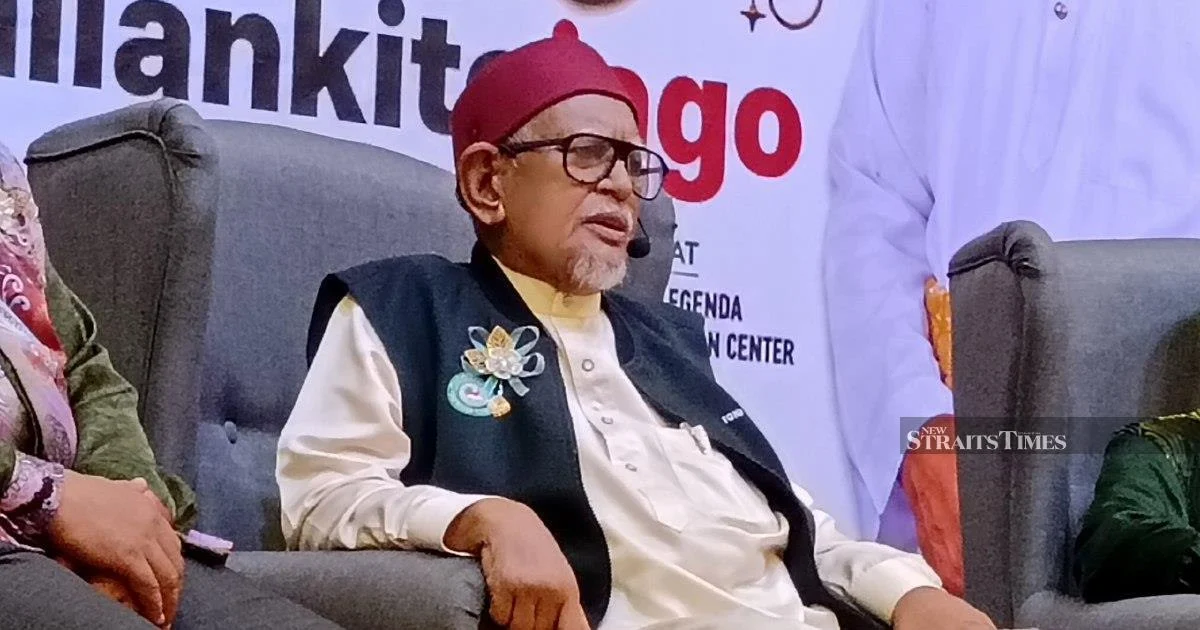
The Islamic party PAS has signalled it would be prepared to support an Umno politician for the position of Negeri Sembilan menteri besar, provided that ongoing coalition discussions between the two parties result in a formal agreement before the state election scheduled for August 1. This development marks a pragmatic shift in negotiations that could reshape the political landscape of the central Malaysian state ahead of polling day.
The statement reflects the strategic complexities facing Malay-Muslim dominant parties as they navigate seat allocation and leadership roles ahead of state-level contests. For PAS, the willingness to accept a secondary position in Negeri Sembilan appears conditioned upon securing a satisfactory number of state assembly seats within any wider cooperation framework. The party's flexibility suggests it is prioritising electoral cooperation and preventing three-way fragmentation of the opposition vote over insisting on the chief minister's post across all state races.
Umno's position in Negeri Sembilan carries particular significance given the state's historical alignment with the party and its traditional control of the menteri besar office. However, recent electoral volatility across Malaysian states has forced both parties to consider broader coalitional arrangements to maximise their combined parliamentary and state assembly representation. The current negotiations appear part of a wider pattern of Umno and PAS seeking coordination mechanisms in various state elections following periods of political separation.
From a Malaysian political standpoint, such collaboration between the two largest Malay-Muslim parties carries implications for federal politics as well. Any successful working arrangement in Negeri Sembilan could set precedents for similar arrangements in other upcoming state elections, potentially reshaping the broader opposition coalition landscape. The success or failure of these negotiations will likely be closely watched by other state political operatives and national party leadership considering their own electoral strategies.
The timing of these discussions is crucial given that the August 1 election date provides a compressed window for finalising seat allocations and campaign strategies. Both parties typically require sufficient lead time to conduct internal party selections for candidates and to brief elected representatives and grassroots members on campaign priorities. Any agreement reached must navigate not only national party leadership expectations but also state-level political dynamics and the personal political ambitions of incumbent and prospective candidates.
For Negeri Sembilan voters and observers, the outcome of these negotiations will determine the configuration of competing political forces in the election campaign. Clarity on which parties are contesting jointly versus separately remains important for voter decision-making. The state has experienced significant electoral swings in recent election cycles, and the nature of political competition—whether fragmented or consolidated among opposition groups—will influence which issues dominate the campaign and the eventual electoral outcome.
The broader Southeast Asian context also merits consideration. Malaysia's Negeri Sembilan state election occurs in a region where coalition-building and seat-sharing arrangements between ideologically-aligned parties have become standard electoral practice. Indonesia, Thailand, and other regional democracies regularly see similar negotiations. The Malaysian experience reflects broader patterns of how multi-party systems in developing democracies manage competition while seeking to concentrate opposition forces against incumbents.
Umno's acceptance of PAS as a potential coalition partner in Negeri Sembilan represents a notable development given their historical rivalry and the sometimes fraught relationship between the two parties at national level. Such pragmatism, driven by electoral mathematics, suggests that party leaders across Malaysia recognise the electoral penalties of divided opposition votes when facing consolidated incumbent coalitions. Whether this cooperation framework extends beyond immediate electoral calculations to longer-term political cooperation remains uncertain.
For state-level political operatives within Negeri Sembilan, the negotiations underscore how state elections increasingly reflect national party calculations and broader coalition dynamics rather than purely local political considerations. Candidates and party members at the state level must adapt to national party leadership decisions on cooperation frameworks, even when local circumstances might suggest different arrangements would prove more electorally advantageous. This tension between national coordination imperatives and state-level political realities continues to shape Malaysian electoral competition.
The August 1 Negeri Sembilan election will provide voters their first opportunity to assess whether coordinated opposition efforts yield improved electoral performance and meaningful governance alternatives. The extent to which PAS and Umno manage to translate their negotiated cooperation into unified campaign messaging and voter mobilisation will significantly influence the state's political direction. Success in Negeri Sembilan could validate the coalition model for subsequent state elections scheduled within the coming years.

