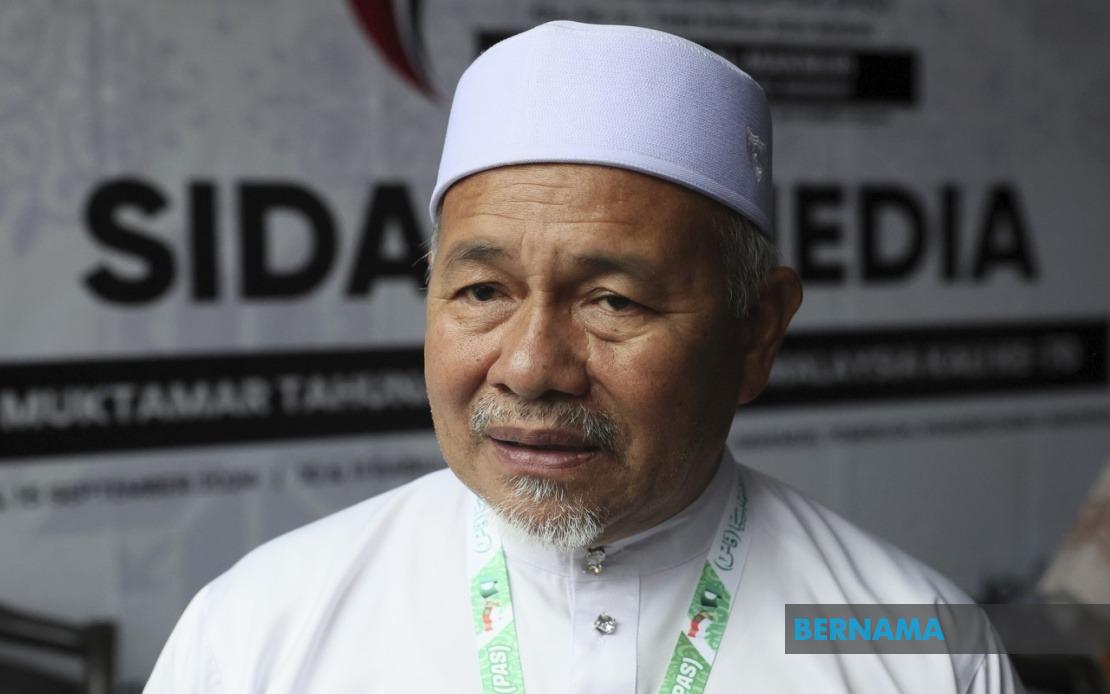
The opposition Islamic party PAS has intensified calls for the immediate prosecution of fugitive financier Low Taek Jho in Malaysian courts, insisting that the nation's legal system must take precedence over any international proceedings or potential clemency measures. Speaking at the Pasir Mas PAS division annual general meeting in Kota Bharu on July 4, deputy president Datuk Seri Tuan Ibrahim Tuan Man argued that Malaysia bears the greatest burden from Jho Low's alleged misconduct and therefore possesses the paramount right to bring him to justice within its own judicial framework.
The statement from Tuan Ibrahim reflects growing concern within Malaysia's political establishment regarding the possibility that Jho Low might escape accountability through a pardon mechanism in the United States. International media outlets have reported that the fugitive businessman features among approximately 250 individuals potentially under consideration for clemency by United States President Donald Trump, timed to coincide with the American nation's 250th Independence Day celebration. This scenario has triggered alarm among Malaysian policymakers who fear that such action could severely undermine years of investigation and prosecution efforts domestically.
Crucially, Tuan Ibrahim's intervention underscores a key principle underpinning Malaysia's stance on the matter: the country need not subordinate its legal interests to American decisions or positions. He articulated this explicitly, stating that Malaysia maintains its own comprehensive legal system and operates under constitutional frameworks that do not require deference to external jurisdictional determinations. This assertion reflects a broader sentiment that the 1MDB scandal, having originated within Malaysian borders and causing immense damage to the national economy and reputation, must ultimately be resolved through Malaysian legal institutions.
The gravity of Jho Low's alleged role in the 1MDB affair cannot be overstated when considering the context within which PAS has made its pronouncement. The development fund scandal, which unfolded during the previous Najib Razak administration, resulted in documented losses estimated in the tens of billions of ringgit. The controversy tarnished Malaysia's international standing, triggered massive forensic investigations across multiple continents, and precipitated significant political upheaval domestically. From this perspective, PAS's insistence that Jho Low face trial in Malaysia reflects recognition that domestic prosecutions would serve not merely judicial purposes but also symbolic reparation and national vindication.
Tuan Ibrahim additionally called upon the relevant authorities to accelerate legal proceedings connected to Jho Low's extradition and subsequent prosecution. This plea for expedited action suggests frustration with the pace at which extradition mechanisms have operated thus far. The fugitive businessman has managed to remain beyond Malaysian reach for an extended period, despite international warrants and investigative efforts. Accelerating extradition procedures would represent a tangible step toward ensuring that he faces consequences within the Malaysian system rather than remaining a perpetual international fugitive.
Prime Minister Datuk Seri Anwar Ibrahim had publicly affirmed just one day prior to Tuan Ibrahim's remarks that Malaysia remains committed to pursuing legal action against Jho Low, notwithstanding speculation about potential American clemency. This reaffirmation from the nation's chief executive signals that the government is prepared to defend its prosecutorial interests vigorously, even in the face of possible interference from foreign executive action. The alignment between government messaging and opposition party demands on this particular issue demonstrates the degree to which the 1MDB matter transcends normal partisan divides in Malaysian politics.
The prospect of a presidential pardon from Donald Trump, if materialised, would create a complex diplomatic and legal situation with significant ramifications for Malaysia. While the United States cannot unilaterally prevent Malaysian authorities from pursuing their own cases, a pardon would eliminate the primary mechanism through which Malaysia has sought to secure Jho Low's presence for trial. This reality underscores why Malaysian officials across the political spectrum have begun intensifying their rhetoric and demands, recognising that the window for action may be narrowing depending on developments in American politics.
Regionally, the PAS position also carries implications for how Southeast Asian nations conceptualise their prosecutorial sovereignty in cases involving cross-border financial crimes and fugitives with international connections. Malaysia's insistence that it should not be beholden to American determinations reflects a broader assertion of judicial independence and territorial prerogatives. Other nations in the region facing similar circumstances involving fugitives or complex financial crimes may view Malaysia's stance as setting an important precedent regarding how to defend national legal interests against external pressures or competing jurisdictional claims.
The timing of Tuan Ibrahim's statement, coming in conjunction with American Independence Day celebrations and coinciding with reports of potential presidential clemency, suggests strategic political calculation. By voicing these demands precisely when the pardon discussion dominates international discourse, PAS may be attempting to mobilise domestic political pressure on the government to act more decisively in securing Jho Low's extradition and prosecution before any clemency decision materialises. This tactic reflects recognition that public and political pressure can sometimes expedite governmental action on matters where bureaucratic processes might otherwise move slowly.
Jho Low's case remains emblematic of the challenges confronting developing nations in recovering assets and prosecuting individuals involved in large-scale financial crimes that involve multiple jurisdictions, complex corporate structures, and international flight. Malaysia's determination to pursue the matter through its own legal system, rather than accepting outsourced justice through American proceedings, represents an assertion that domestic courts possess both the legitimacy and capacity to administer justice in matters fundamentally affecting the nation's citizens and interests. Whether this resolve will translate into actual prosecution depends significantly on whether extradition mechanisms ultimately succeed in bringing Jho Low within Malaysian jurisdiction.

