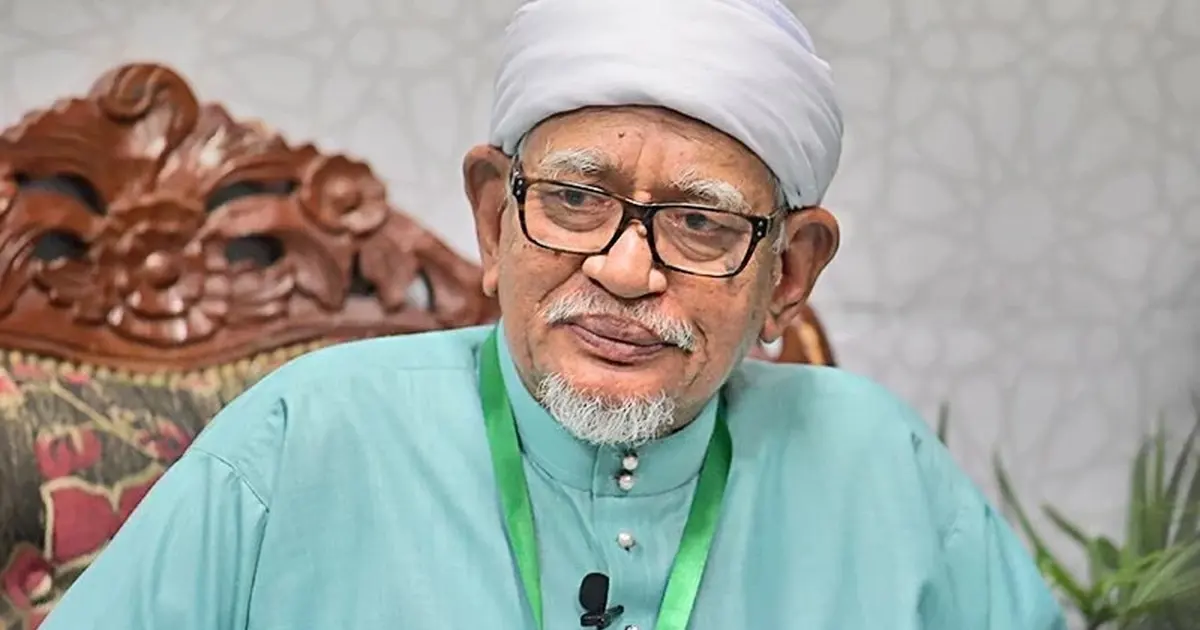
Deliberations between PAS and Barisan Nasional over the allocation of parliamentary constituencies in Melaka remain in progress, according to PAS president Hadi Awang. The discussions are being calibrated around a significant electoral reality from the 2023 general election: BN's inability to capture any parliamentary seats within the state, a setback that fundamentally reshapes the landscape for seat negotiations between the two coalition partners.
This ongoing dialogue represents an important development in the relationship between PAS and BN as they work to consolidate their broader alliance. The distribution of parliamentary representation has long been a contentious issue within Malaysian coalition politics, particularly when electoral performance varies considerably between alliance partners. The fact that BN failed to translate its traditional influence in Melaka into parliamentary victories during GE15 creates a complex negotiating position for both parties moving forward.
The significance of this negotiation extends beyond Melaka itself. The state has historically served as a barometer for coalition stability and resource allocation within broader political arrangements. When one partner substantially underperforms at the ballot box, questions inevitably arise about seat allocation formulas and the principles that should govern power-sharing agreements. BN's whitewash in parliamentary constituencies underscores how dramatically electoral dynamics can shift, even in states where the coalition has historically maintained strongholds.
From PAS's perspective, the party's stronger showing in GE15 provides leverage in these discussions. The Islamic party has positioned itself as an increasingly influential force in Malaysian politics, particularly following its performance in the 2022 elections and subsequent state-level victories. How these Melaka negotiations resolve will signal to other parties the extent to which electoral weight translates into tangible parliamentary representation within coalition frameworks.
The timing of these talks reflects broader efforts to consolidate the Perikatan Nasional-BN alliance that has dominated Malaysian politics since 2020. Rather than allowing tensions over seat distribution to fester, both parties appear committed to working through allocation questions systematically. Hadi's public acknowledgement that negotiations are ongoing demonstrates a commitment to transparency and suggests confidence that a resolution can be reached through structured dialogue.
Historically, Melaka has experienced shifting political fortunes. The state returned to BN control in 2020 following the collapse of the PH government, but the 2023 general election results revealed significant voter realignment within constituencies. BN's inability to win parliamentary seats despite retaining state-level influence indicates fragmentation in voter behaviour between state and federal levels—a phenomenon increasingly common across Malaysian constituencies.
The principle that electoral performance should inform seat allocation represents a departure from traditional power-sharing arrangements that sometimes protected underperforming coalition partners. If PAS and BN establish a precedent where GE15 results become the primary basis for determining seat distributions, this could fundamentally alter how future coalitions negotiate seat divisions. Such an approach would reward electoral success more directly and potentially create stronger incentives for individual parties to invest in campaign infrastructure and ground organisation.
For Malaysian voters in Melaka, the outcome of these negotiations will determine which parties contest which constituencies in future elections. The distribution of parliamentary seats between PAS and BN effectively shapes the electoral choices available to residents and influences which party brands compete for federal representation. This makes seat allocation decisions far more significant than technical party-management issues—they carry real consequences for democratic choice and representation.
The negotiation process also reflects evolving power dynamics within Peninsular Malaysian politics more broadly. PAS has consolidated influence not just through electoral performance but through strategic alliance-building. The party's positioning within the PN-BN framework gives it leverage in discussions with other coalition members, and how it deploys this leverage in Melaka negotiations may establish precedents affecting other states and future alliance configurations.
Background considerations matter significantly here. Melaka, like several other states, has experienced close electoral competition and shifting voter preferences. The state's Chinese-majority areas have proven particularly volatile in recent elections, with voters moving between MCA, DAP, and independent candidates depending on local factors and national sentiment. This volatility complicates seat negotiations because seats may carry very different levels of winnability depending on when elections are called and broader political circumstances.
The acknowledgement by Hadi that BN's GE15 parliamentary performance influences these discussions suggests both parties are approaching negotiations pragmatically. Rather than insisting on historical seat allocations or predetermined formulas, they appear willing to adjust expectations based on demonstrable electoral support. This problem-solving orientation, if maintained, could reduce friction over seat distributions—an issue that has historically caused coalition tensions in other states and periods.
Moving forward, how these Melaka negotiations conclude will offer insights into coalition stability and the flexibility of PAS-BN arrangements. Should the discussions result in a formula that both parties accept as fair given electoral realities, it could serve as a model for managing other contested seat allocations. Conversely, protracted disagreements could signal deeper tensions within the broader coalition arrangement and potentially affect collaboration on other political and policy matters.
The broader context is that Malaysian electoral politics continues evolving, with coalitions forced to adapt their internal arrangements to reflect changing voter behaviour. The Melaka talks exemplify this adjustment process in real time, demonstrating how contemporary partnerships must balance historical relationships with current electoral mathematics.

