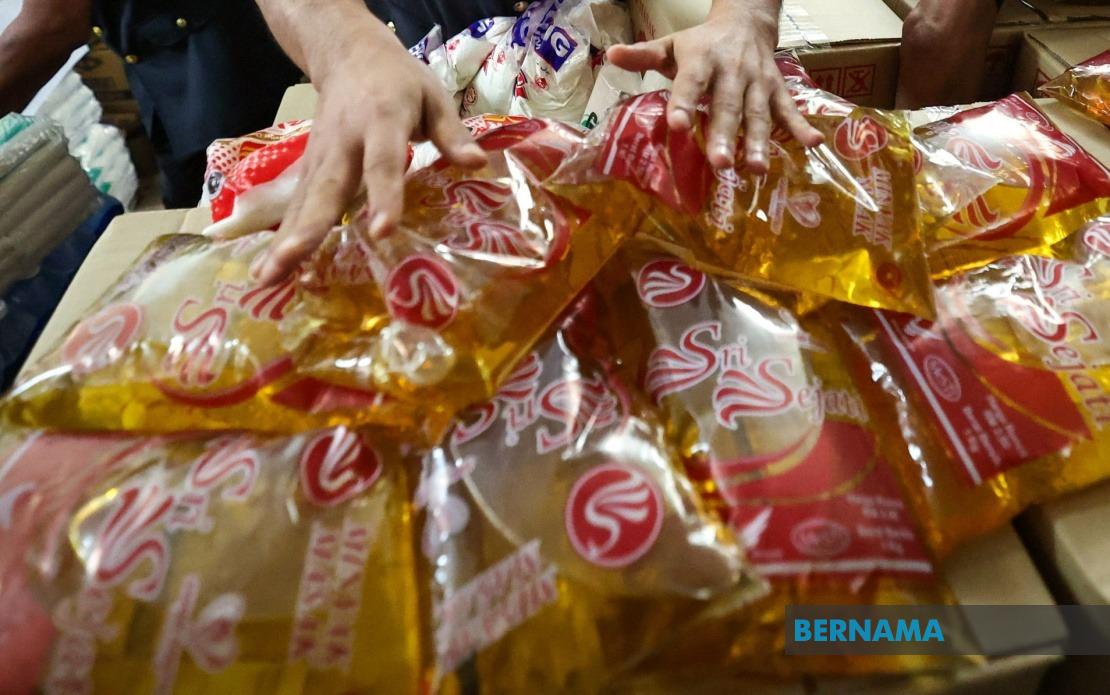
The Public Accounts Committee has released a damning assessment of how Malaysia manages its cooking oil subsidy, proposing fundamental restructuring of the supply chain after discovering the government's RM10.879 billion support package from 2019 to February 2025 has failed to reach its intended beneficiaries effectively. Deputy chairperson Teresa Kok unveiled eight formal recommendations during a parliamentary press conference, each designed to plug holes in a system riddled with leakage, waste, and inadequate oversight at multiple distribution levels.
The PAC's investigation, which involved ten separate parliamentary hearings between August and October last year and included testimony from the Ministry of Domestic Trade and Cost of Living (KPDN), the Malaysian Islamic Development Department (JAKIM), and the Home Ministry, identified a fundamental mismatch between supply and actual need. The Cooking Oil Price Stabilisation Scheme (COSS) currently maintains a monthly quota of 60,000 metric tonnes, yet independent analysis suggests genuine domestic consumption runs between 19,000 and 30,000 tonnes monthly. This surplus of roughly double the requirement creates conditions for leakage, with subsidised one-kilogramme packets entering the grey market or being diverted to ineligible users including foreigners and commercial operators who should be purchasing at full price.
The committee found that absence of a targeted distribution system has proven catastrophic for programme integrity. Rather than ensuring assistance reaches Malaysian households struggling with living costs, the blanket subsidy approach has allowed middlemen, traders, and commercial entities to exploit price controls intended for vulnerable consumers. This dilution of benefits means real purchasing power for target groups remains compromised while government bearing the full cost of subsidy inflation grows heavier each year. The scale of waste prompted the committee to recommend an immediate 60,000 tonne monthly reduction in quota allocation, bringing supply closer to realistic demand patterns and eliminating structural over-supply that enables system exploitation.
Ineffectiveness extends beyond volume issues into operational management. The committee uncovered serious deficiencies in how spoiled or damaged cooking oil stocks are handled at the packaging company level, with no standardised procedures governing their disposal or segregation. The government continues subsidising these damaged batches despite knowing they will never reach consumers, representing pure financial loss. The PAC has advised KPDN to implement immediate measures ensuring subsidy payments flow only for undamaged, viable stocks, potentially recovering millions in annual waste. This operational failing reflects broader supervision gaps that allowed incompetence to persist without adequate corrective mechanisms.
Retailer-level monitoring has similarly deteriorated, enabling widespread circumvention of price controls. Teresa Kok highlighted that conditional sales arrangements, stock hoarding by merchants to manipulate supply and pricing, and widespread charging above the RM2.50 control price have become entrenched market practices. These activities undermine the entire purpose of subsidy, as consumers cannot consistently purchase at the intended price regardless of government's theoretical commitment to affordability. Strengthening enforcement at the retail level emerged as essential to making any subsidy scheme functional, requiring dedicated monitoring teams and meaningful penalties for violators.
Structural imbalances within the refining sector compound these problems. Foreign companies control 67 per cent of the subsidised cooking oil quota at the refining stage, while Malaysia's own government-linked companies such as FGV and SD Guthrie command merely 10.6 per cent, with the remainder held by small local operators. This heavy reliance on imported refining capacity means subsidy benefits flow substantially overseas rather than strengthening domestic industries or building local capacity. The committee recommended studying quota redistribution strategies that would prioritise competitive Malaysian firms, generating local employment and value-added activities whilst reducing dependency on foreign suppliers.
Profitability margins for repackaging companies proved another flashpoint. These entities receive RM600 per metric tonne in government subsidy, yet actual processing costs prove substantially lower, effectively padding their margins at public expense. The committee found no reasonable justification for this premium relative to authentic operational expenses, characterising it as excessive rent-seeking that inflates subsidy burden without corresponding social benefit. Rationalising repackager payments to align more closely with verified costs could save considerable sums annually whilst still enabling these companies to operate viably.
Certification standards also fell short. Among nine packaging companies involved in the scheme, two still lacked halal certification despite JAKIM's improved certification processes making approval relatively straightforward. This oversight proved particularly troubling given Islamic dietary requirements hold cultural and religious significance for the Muslim majority population. Companies unable to meet basic halal standards should face exclusion regardless of their volume or commercial importance, yet apparent administrative slack allowed non-compliant players to continue operating within a government-subsidised programme.
The committee emphasised accelerating transition toward fully digital targeted subsidies through the Cooking Oil Price Stabilisation Scheme System (eCOSS) as critical for future programme viability. Digital infrastructure enables precise identification of eligible recipients, prevents duplicate claims or fraud by ineligible parties, and creates transparent audit trails for oversight. By shifting from universal subsidy to means-tested digital delivery, Malaysia can substantially reduce overall expenditure whilst improving effectiveness for genuine beneficiaries. Implementation requires coordination across KPDN, relevant ministries, and financial institutions, but represents the technological solution necessary for a subsidy scheme in the 21st century.
These recommendations arrive amid broader scrutiny of Malaysia's subsidy architecture following the Auditor-General's Report (LKAN) 2/2025 finding the cooking oil programme management unsatisfactory. The PAC's work reflects parliament's formal accountability function in reviewing executive expenditure and demanding reform when public money is mismanaged. For Malaysian consumers facing cost-of-living pressures, success in implementing these reforms could improve both the subsidy scheme's effectiveness and government's overall fiscal sustainability. The coming months will test whether KPDN embraces parliamentary recommendations or resists change, a signal of whether Malaysia's oversight mechanisms can translate findings into genuine governance improvement.

